
Activated Carbon Filters: Reliable Adsorption Technology in Industrial Water Treatment
Activated carbon filters that remove chlorine, unpleasant taste and odour to deliver better-tasting, healthier water.
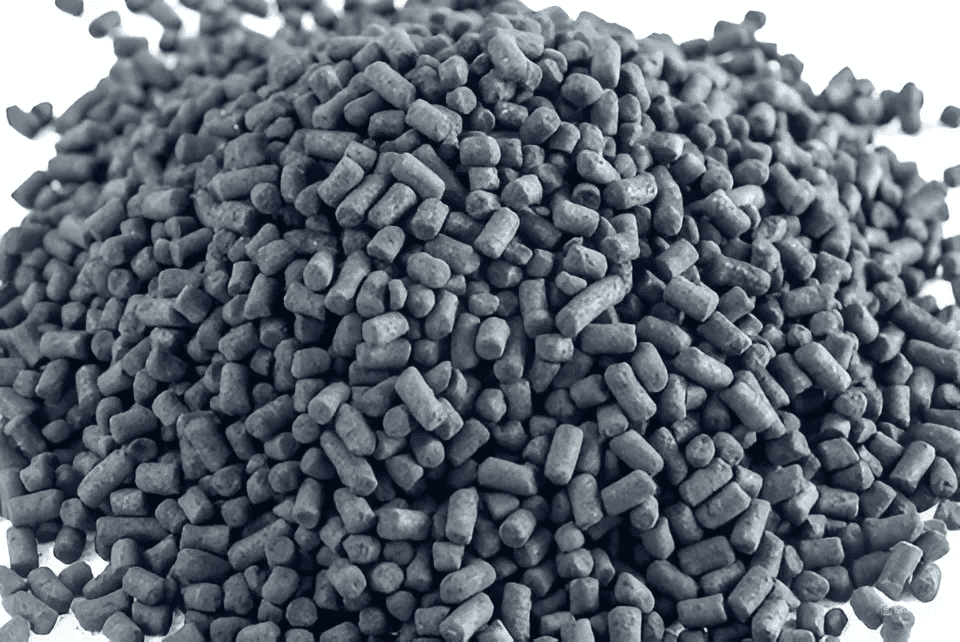
In industrial water treatment processes, it is not only physical and chemical pollution that matters; organic substances that affect the colour, odour and taste of water also play a major role. This is where activated carbon filters stand out, especially for the removal of organic pollutants, chlorine and compounds that cause taste and odour, as an indispensable adsorption technology.
aquaDESTECH designs high-efficiency activated carbon systems specifically for each industry, optimising your processes and guaranteeing compliance with environmental standards.
What Is Activated Carbon and How Does It Work?
Activated carbon is produced by pyrolysing materials of natural origin (usually coconut shell, bituminous coal or wood) at high temperature and then converting them into a porous structure through physical or chemical activation.
The surface area of one gram of activated carbon can be between 500 and 1,500 m².
Thanks to this large surface area, dissolved organic matter, chlorine, pesticides and some heavy metals adhere to the surface and are removed from the water. This process is called adsorption.
The Role of Activated Carbon Filters in Industrial Applications
Removal of Organic Matter
Volatile and dissolved organic substances such as phenol, BTEX derivatives and detergents are effectively retained.
Removal of Chlorine and Chloramine
Used upstream of RO (reverse osmosis) systems, it prevents membrane damage.
Taste and Odour Removal
Improves the sensory properties of water, especially in drinking water preparation and food processes.
Colour Removal
Effective for decolourising water from the textile and dye industries.
Removal of Pesticides and Chemical Residues
Used in agriculture, food and beverage sectors to meet safety standards.
Advantages of aquaDESTECH Activated Carbon Systems
High Adsorption Capacity
Maximum efficiency is achieved by choosing the right carbon type and granule size.
Backwash Feature
Our systems feature automatic backwashing to prevent clogging.
Stainless Steel and FRP Vessels
Corrosion-resistant, long-lasting and hygienic construction.
Automation and SCADA Integration
Operation can be set by flow, pressure and time; the system can be monitored remotely.
Flexible Capacity Range
Systems can be designed with capacities from 1 m³/h up to 100 m³/h.
Frequently Asked Questions
An activated carbon filter is a treatment unit that uses porous carbon granules with a very large surface area to remove organic pollutants, free chlorine and taste- and odour-causing substances from water by adsorption. As water passes through the carbon bed, harmful or unwanted substances adhere to the carbon surface, improving the chemical and physical quality of the water. This process is called “adsorption”.
Activated carbon filters are particularly effective at removing: • Free chlorine and chloramine • Volatile organic compounds (VOCs) such as phenols, benzene and toluene • Pesticides and agricultural chemical residues • Compounds that cause taste and odour • Dissolved organic matter that causes colour (especially in textile effluents) • By-products such as trihalomethanes (THMs) However, they cannot remove dissolved inorganic ions (e.g. sodium, nitrate, hardness). Ion exchange or reverse osmosis systems are required for these substances.
On an industrial scale, activated carbon filters are widely used for: • Chlorine removal ahead of reverse osmosis • Dye and colour removal in the textile industry • Taste/odour correction in the food and beverage industry • Filtration of organic pollutants in pharmaceutical and chemical plants • Protecting public health in drinking water production plants • VOC removal in petrochemical plants These filters not only improve process quality but also help protect advanced treatment units (such as RO membranes).
The life of the carbon media depends on the flow rate, pollution level, carbon type and operating conditions. In general: • Replacement every 8–18 months is recommended in industrial applications. • When used for chlorine removal, performance decreases once the dechlorination capacity is exhausted. • The return of colour, taste, odour and dissolved organic matter indicates carbon saturation. For tighter control, continuous measurement of inlet and outlet parameters and monitoring of differential pressure are recommended.
Backwashing removes suspended solids (sludge, particles, etc.) that accumulate on the carbon bed. This process: • Prevents filter clogging • Increases filtration efficiency • Reduces pressure loss • Extends media life Automatic backwash systems can be programmed by time or differential pressure. This is especially critical in high-flow industrial systems.
The carbon type directly affects filtration performance. Commonly used carbon types: • Coconut shell carbon: thanks to its high micropore ratio, ideal for chlorine and low-molecular-weight organics. • Wood-based carbon: its lignin structure gives it wider pores; used for colour and odour removal. • Coal-based carbon: suitable for industrial wastewater and heavy pollutants. At aquaDESTECH, our engineers select the carbon type based on the application and water analysis.
An efficient and safe activated carbon system includes the following components: • Pre-filtration (sand filter, cartridge filter) • Automatic backwash valves • pH and ORP sensors • PLC control panel • Flow meter and pressure gauge • Bypass line • Outlet water quality monitoring sensors Thanks to these components, the system runs stably and delivers maximum safety with minimal operator intervention.
For a standard reverse osmosis system, once the site survey and design are complete: • Manufacturing time: 3–5 weeks • On-site installation and commissioning: 3–7 days In total, the system is operational within 1–2 months. Delivery time may vary depending on capacity.
Activated carbon filters are usually positioned upstream of RO systems. In this way they: • Protect RO membranes from oxidative chlorine damage • Reduce membrane fouling by lowering the organic load in the water • Extend the overall operating life of the system Using these two systems together brings major economic and environmental advantages in water treatment.
The maintenance procedure is quite simple: • Weekly: check inlet/outlet differential pressure • Monthly: observe the backwash cycle and measure flow • Every 3–6 months: analyse inlet and outlet parameters (especially chlorine, TOC, colour) • Yearly: assess the condition of the carbon media and replace if necessary In aquaDESTECH systems, automatic monitoring and alarm functions keep operator intervention to a minimum.
Other products
View all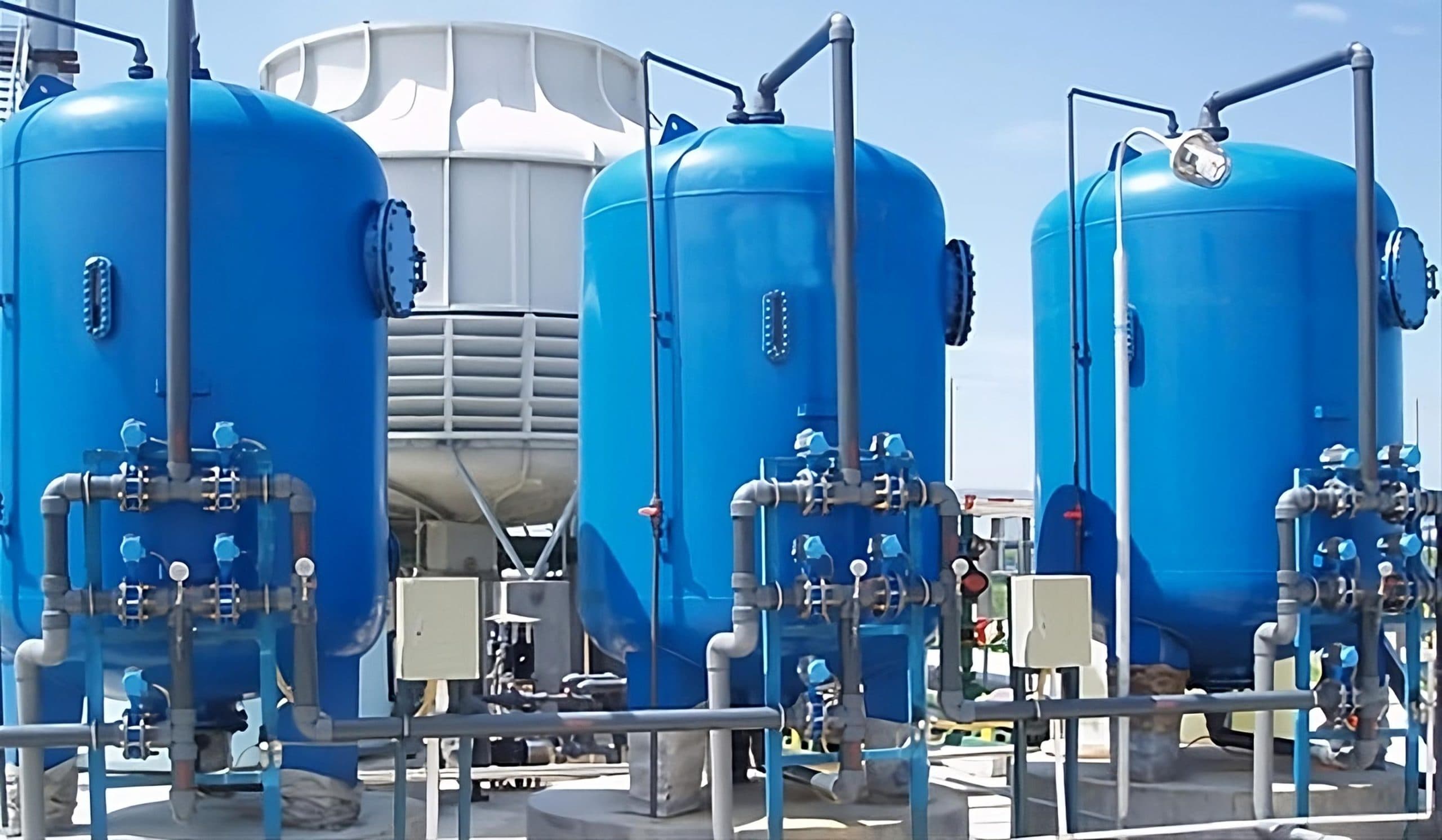
Sand Filters
Sand filters that deliver clarity by filtering sediment, particles and suspended solids from your water.
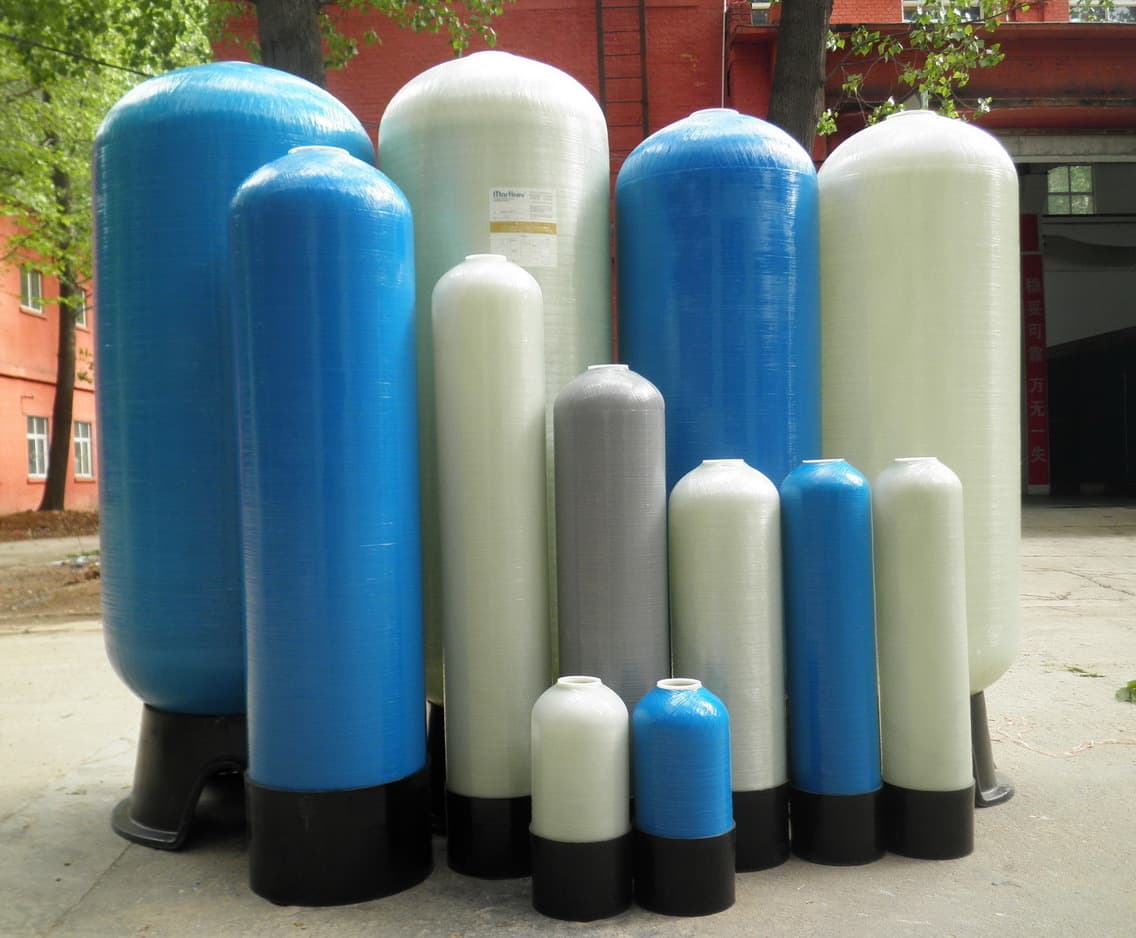
Filtration Systems
High-performance filtration systems with FRP and stainless steel tanks that remove sediment, turbidity, chlorine, iron, manganese and other contaminants.
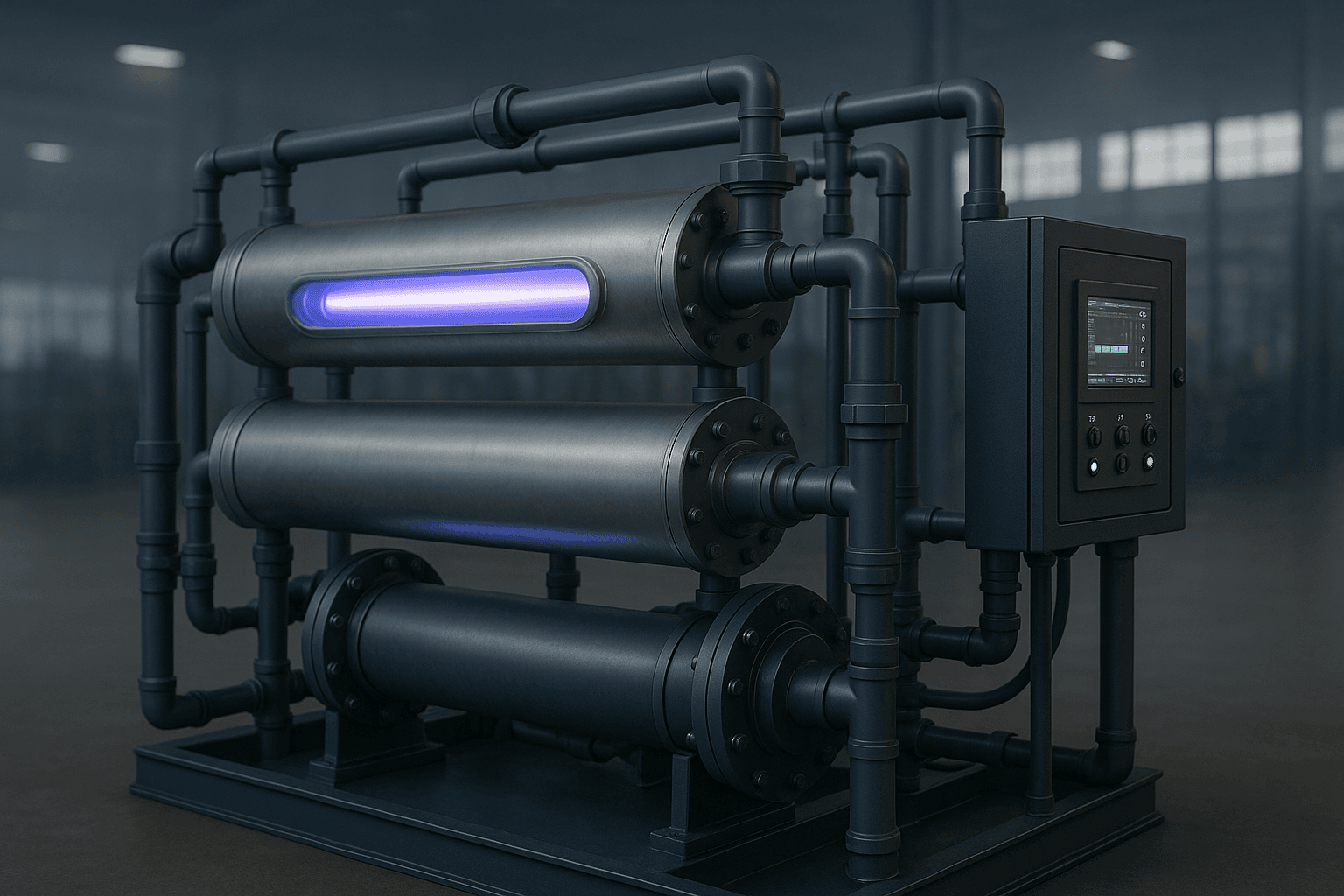
Disinfection & Sterilisation Systems
The final and most critical barrier of water and wastewater processes: systems that eliminate bacteria, viruses, fungi and other pathogens.
Get a quote for this system
Let us analyse your plant's water and design the right system together.