
Disinfection & Sterilisation Systems: Microbiological Assurance in Water, Wastewater and Production Processes
The final and most critical barrier of water and wastewater processes: systems that eliminate bacteria, viruses, fungi and other pathogens.
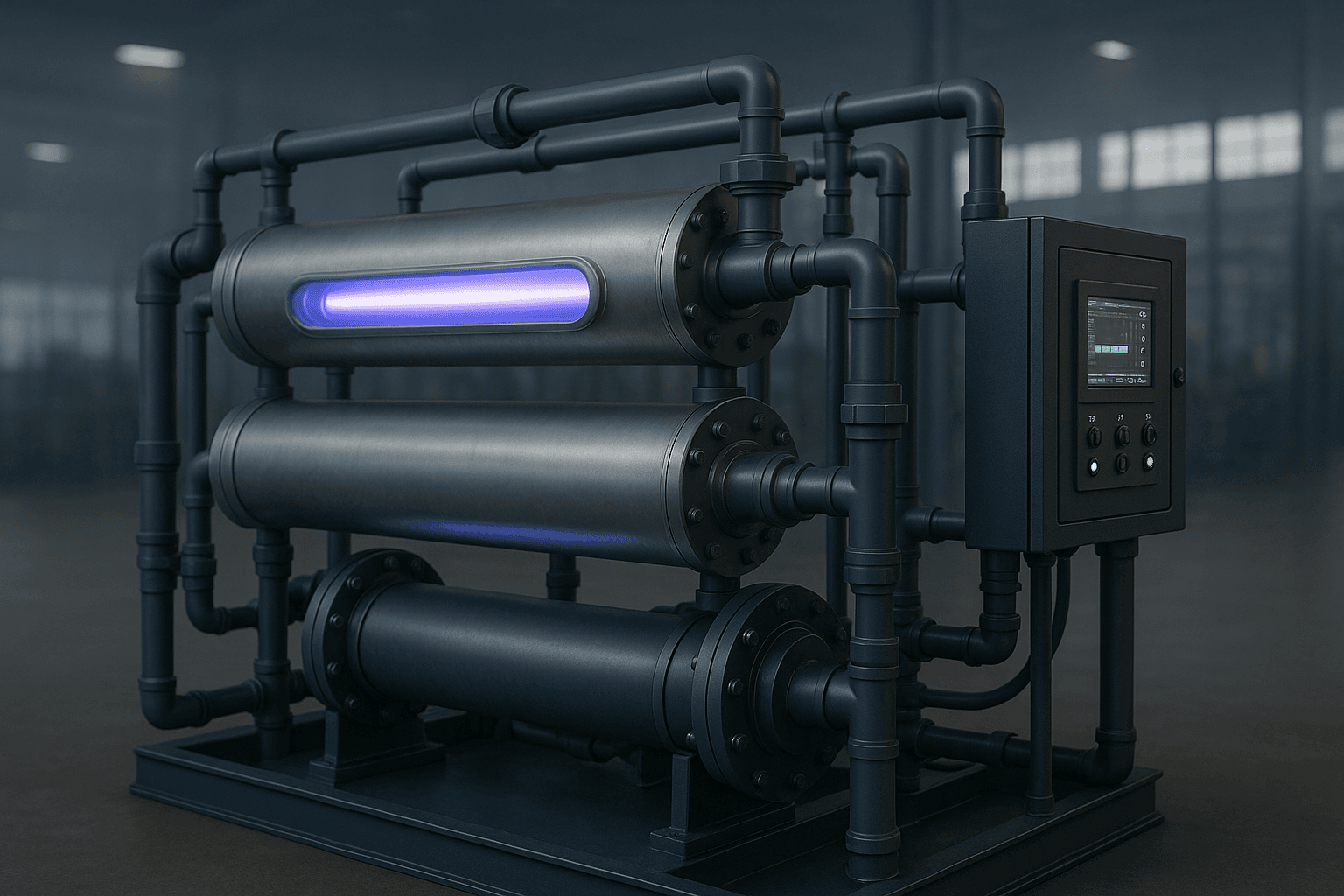
Disinfection and sterilisation systems are one of the final and most critical steps in water and wastewater processes and in some production processes. Aimed at eliminating bacteria, viruses, fungi and other pathogenic microorganisms, these systems are vital for both environmental and process safety.
At aquaDESTECH we offer disinfection solutions specially designed for the water needs of different sectors, safeguarding both human health and system efficiency.
The Role of Disinfection
The microbial load that builds up in processes directly determines the final quality of the system. That is why
- in the food and beverage industry to prevent contamination of the production line,
- in the healthcare and pharmaceutical sector to ensure a sterile production environment,
- and in industrial cooling and boiler systems to prevent biological fouling,
disinfection systems come into play. These systems can be applied with different techniques such as UV radiation, chlorine dosing and ozonation.
Which Sectors Are They Suitable For?
Every sector needs a different water quality, so we design systems tailored to each project.
SCADA Integration and Automation
- Our disinfection systems work integrated with automation infrastructure such as air-controlled systems:
This ensures operation that is not only efficient but also safe and sustainable. - Automatic sensor-based dosing adjustment
- Real-time ORP–pH monitoring
- Remote monitoring and alarm system
- Data-driven control optimisation
Discover aquaDESTECH Solutions
UV Sterilisation Systems
Destroys the DNA of microorganisms in water without using chemicals.
Chemical Dosing (Chlorine – NaClO – ClO₂)
Automatic dosing systems provide microbiological control by adjusting dosing in real time with ORP and pH sensors. They leave a chlorine residual and ensure safety.
Ozone Disinfection
With its powerful oxidising effect and no chemical residue, ozone is preferred especially in high-volume water systems.
These systems work fully integrated with other treatment equipment. For example, disinfection at the outlet of activated sludge systems ensures that water is discharged safely to the receiving environment.
Beverage production – meeting drinking water standards
Food industry – microbiological cleaning in CIP systems
Textile – process water disinfection
Chemicals – product quality assurance
Municipalities – mains water treatment
Water and wastewater – disinfection of discharge water
Frequently Asked Questions
Yes. Disinfection inactivates most of the microorganisms in water. This is usually achieved with UV radiation or with chemicals such as chlorine or ozone. Sterilisation is a higher-level process that aims to destroy all microorganisms in water or on a surface – even spore-forming bacteria and viruses. Disinfection is usually sufficient in industrial water treatment, but sterilisation is preferred in critical processes (such as pharmaceutical production).
It depends entirely on the needs of the sector. For example: • UV and low-dose chlorine are preferred in the food and beverage sector. • Ozone or double-barrier systems (UV + ozone) are used in pharmaceutical and medical facilities. • Automatic chlorine dosing systems are common in municipalities and drinking water systems. At aquaDESTECH, we determine and implement the most suitable solution based on your sector's risk analysis.
UV disinfection systems are highly effective against bacteria and viruses. They prevent microorganisms from multiplying by disrupting their DNA/RNA. However, UV has no residual effect, so recontamination can occur in water tanks or pipelines. That is why the following combinations are recommended: • UV + chlorine, or • UV + ozone. This hybrid set-up provides both instant disinfection and lasting protection.
Absolutely. Modern disinfection systems are equipped with PLC- and SCADA-based automation. The systems: • Automatically adjust dosing according to pH and ORP values • Raise an alarm in case of overdosing • Track chemical stocks and consumption This protects staff and keeps water quality stable.
When dosed correctly, chlorine disinfection is environmentally safe. At high doses, however, chlorine can form by-products such as chloramines, which may pose risks to human health and the environment. In aquaDESTECH systems these risks are eliminated through: • ORP-controlled dosing • Reagent-based monitoring • Post-filtration with activated carbon where necessary
UV lamps typically last 8,000–12,000 hours. Monthly maintenance is recommended; apart from cleaning and checking the quartz sleeve, no special work is required. The system gives an automatic alarm when a lamp reaches the end of its life. In aquaDESTECH systems these maintenance tasks are made easy by operator-friendly interfaces.
Ozone is a very powerful oxidising agent. It neutralises organic matter as well as physical contaminants such as colour, taste and odour. After use, ozone turns back into oxygen, so it leaves no residue in the environment. For this reason it is the first choice: • In food and medical production areas, • In advanced water recovery systems, • In chemical production processes. Ozone systems deliver maximum effect when used together with activated carbon filters.
No. Disinfection systems are used not only in water treatment but also in other areas such as: • CIP (clean-in-place) systems, • Surface cleaning, • Sterilisation of process tanks and pipelines, • Disinfection of washing tunnels. The right system should therefore be selected together with a comprehensive process analysis.
aquaDESTECH systems have a redundant design. For example, UV systems use twin lamps and chlorine systems use twin pumps. In addition, remote monitoring allows immediate intervention as soon as a problem occurs. All the back-up solutions needed to keep your operation running are provided.
Other products
View all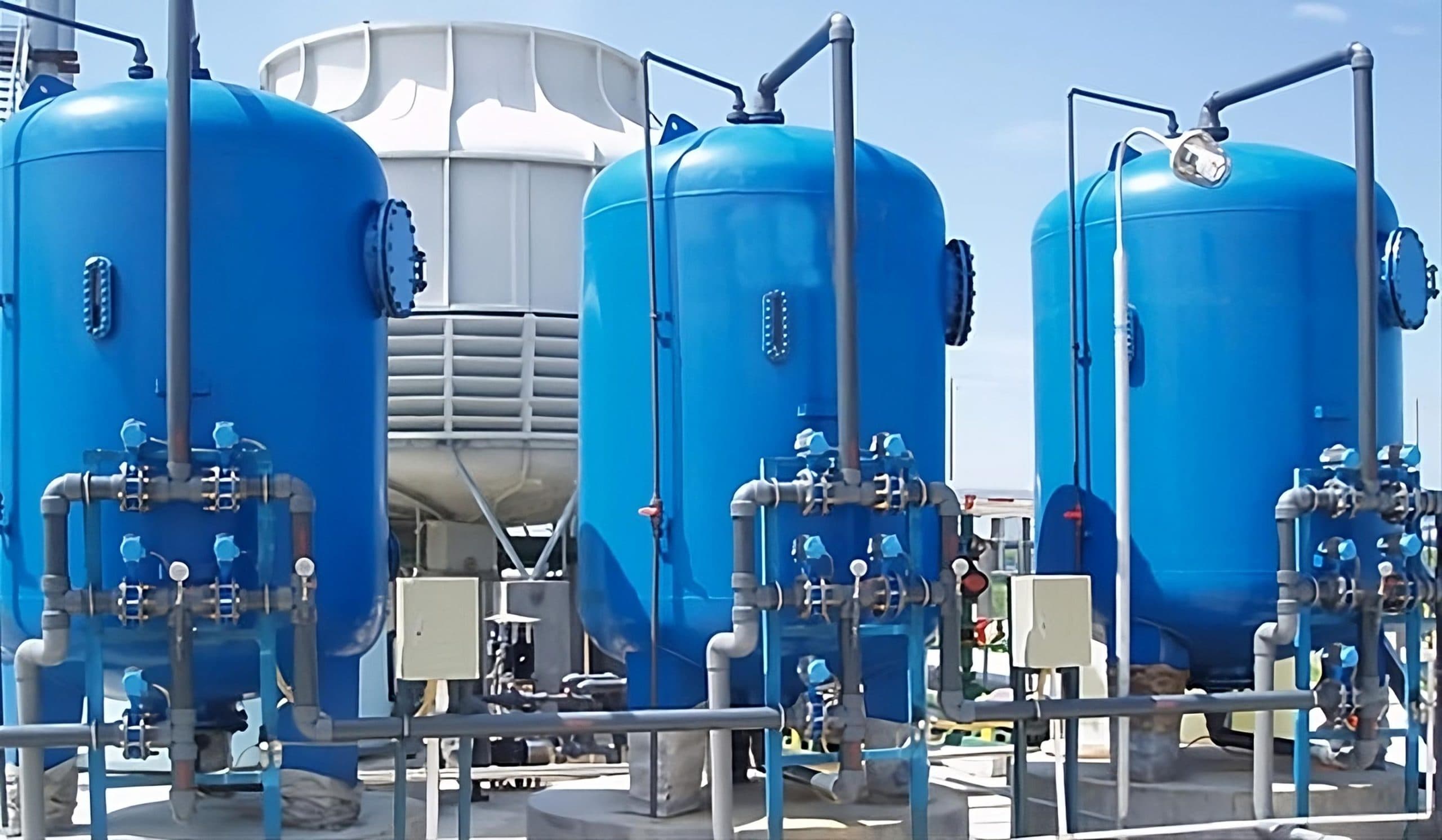
Sand Filters
Sand filters that deliver clarity by filtering sediment, particles and suspended solids from your water.
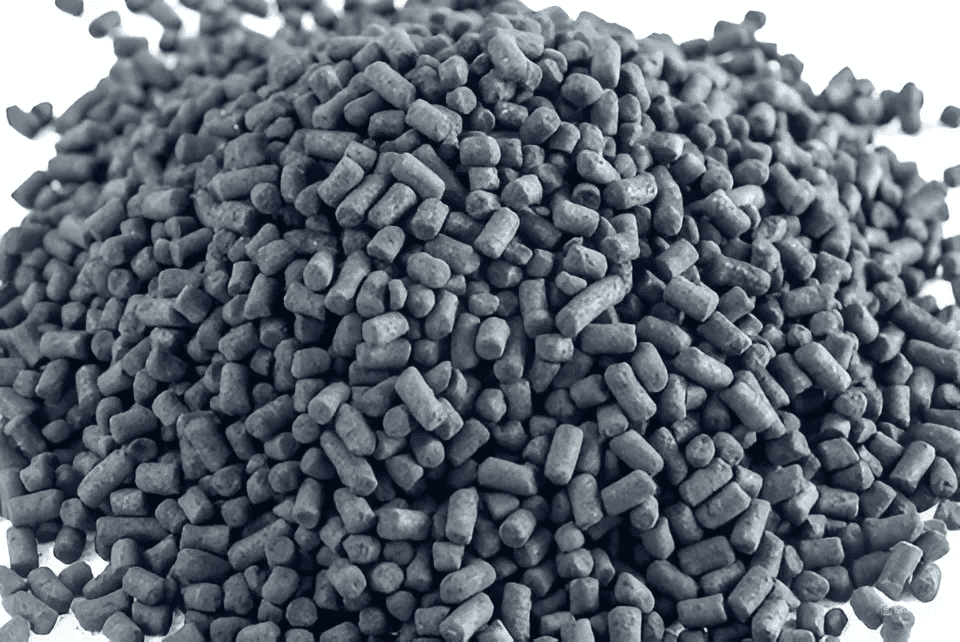
Activated Carbon Filter Systems
Activated carbon filters that remove chlorine, unpleasant taste and odour to deliver better-tasting, healthier water.
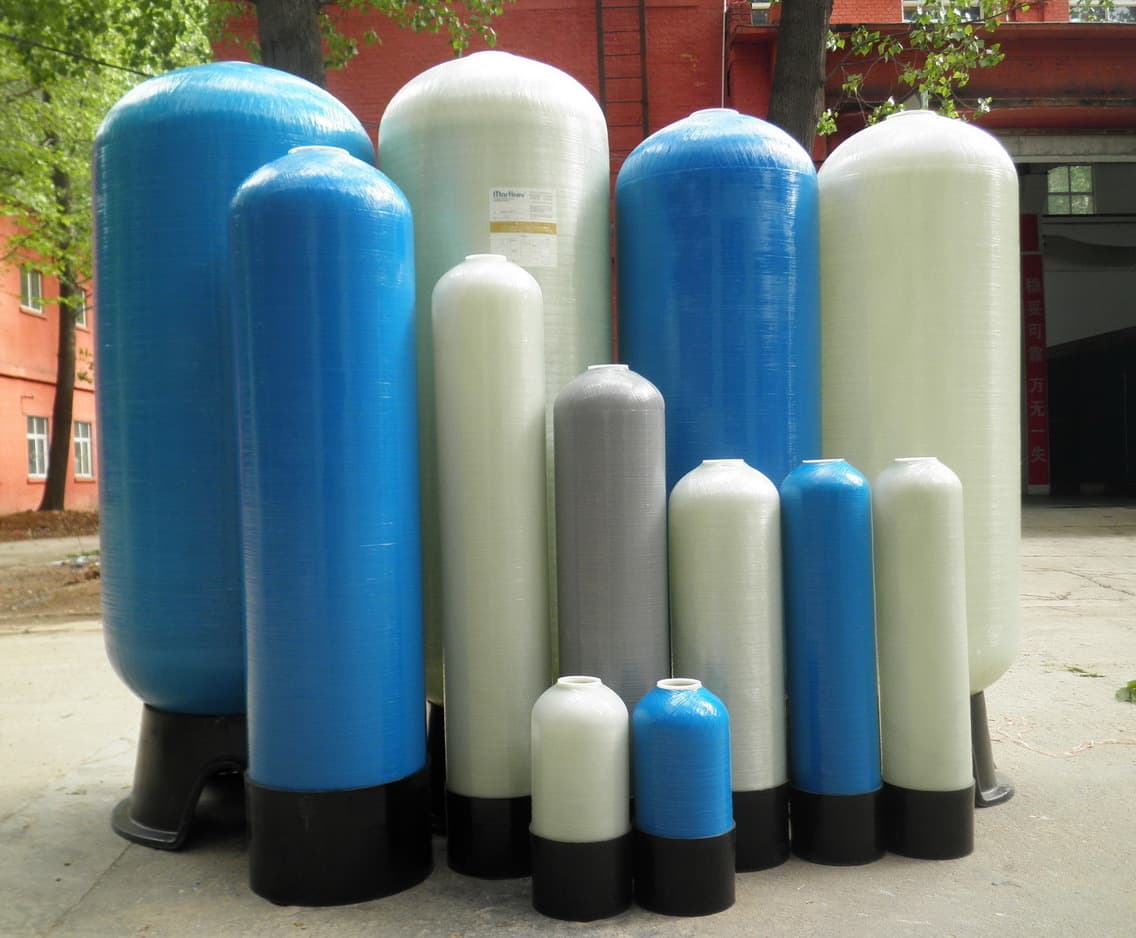
Filtration Systems
High-performance filtration systems with FRP and stainless steel tanks that remove sediment, turbidity, chlorine, iron, manganese and other contaminants.
Get a quote for this system
Let us analyse your plant's water and design the right system together.