
Chlorine Dosing Systems: Continuous and Reliable Disinfection for Your Facility
Precise, automated chlorine dosing that keeps drinking and process water microbiologically safe and minimises water-borne risks.
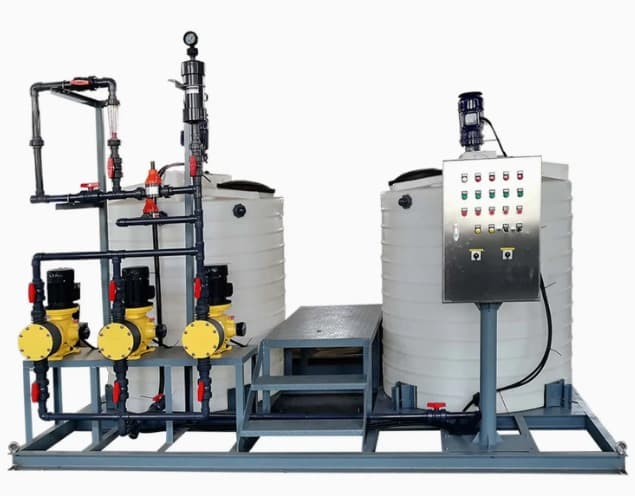
Chlorine Dosing Systems In any facility, water quality is vital for the efficiency of production processes and for product safety. Chlorine dosing systems are among the critical technologies that minimise water-borne risks in drinking water plants and help your business run without interruption and comply with regulations. By effectively disinfecting drinking water, process water or wastewater, these systems play a key role in controlling bacteria, viruses and other harmful microorganisms. Chlorine disinfection in particular is widely preferred in many applications thanks to its broad-spectrum effect and low cost.
In this article we take a detailed look at what chlorine dosing systems are, how they work, where they are used and the advantages they offer. We also share important information on choosing the right system and using it effectively.
What Are Chlorine Dosing Systems?
Chlorine dosing systems are engineering solutions that inject chlorine or chlorine-based compounds (such as sodium hypochlorite, calcium hypochlorite or chlorine gas) into water in defined, controlled amounts. Their main purpose is to carry out water chlorination by destroying pathogenic microorganisms in the water or preventing them from multiplying. Modern chlorine dosing systems range from manual adjustment to advanced control units capable of fully automatic chlorine dosing. Consisting of dosing pumps, control panels, sensors (ORP, free chlorine sensor), chlorine tanks and injection points, these systems allow precise adjustment according to water flow, pollution load and the desired residual chlorine level.
As a strong oxidant, chlorine inactivates microorganisms by damaging their cell walls and enzymatic structures. This makes the water microbiologically safe and is critical in many industrial processes such as food production, power plants, cooling towers and drinking water preparation.
How Do Chlorine Dosing Systems Work?
The operating principle of chlorine dosing systems varies with the properties of the water to be disinfected and the system's level of automation. Basically, however, it involves the following steps:
- Chlorine Preparation and Storage: The chlorine compound to be used (usually liquid sodium hypochlorite, or calcium hypochlorite granules/tablets dissolved in water) is prepared at the right concentration and stored in specially designed chemical tanks. If chlorine gas is used, special safety measures and equipment are required.
- Injection with a Dosing Pump: Chlorine pump systems inject the prepared chlorine solution into the water line at a given pressure and flow. Dosing pumps are usually diaphragm or peristaltic types made of chemical-resistant materials. The pump's capacity and speed determine the amount of chlorine dosed.
- Control and Automation:
- Manual Control: In the simplest systems, the dosing pump is set manually and a fixed amount of chlorine is dosed.
- Flow-Proportional Dosing: In systems integrated with a flow meter on the water line, chlorine is dosed in proportion to the flow rate. This maintains a constant chlorine concentration despite fluctuations in water consumption.
- ORP/Residual Chlorine-Controlled Dosing: The dosing pump is controlled automatically via sensors measuring the water's oxidation-reduction potential (ORP) or free chlorine. Based on sensor data, the system increases or decreases the chlorine dose so that the target residual chlorine level is maintained at all times. This is the most precise and efficient method of automatic chlorine dosing.
- Mixing and Contact Time: Sufficient contact time must be provided for the injected chlorine to mix homogeneously with the water and for disinfection to be completed. This time can vary with water temperature, pH and the type of microorganism.
By continuously monitoring your water and intervening when necessary, these systems guarantee that disinfection is carried out reliably and effectively.
Applications of Chlorine Dosing Systems
Chlorine dosing systems have a wide range of applications. They can be found in almost every sector where water disinfection is critical:
- Drinking Water Treatment Plants: Ensuring the microbiological safety of mains water and of drinking water used in industrial facilities.
- Wastewater Treatment Plants: Removing pathogens from wastewater before discharge and preventing harm to the environment. (You can learn more about a related topic, Activated Sludge Systems: The Cornerstone of Industrial Treatment.)
- Cooling Towers and HVAC Systems: Preventing biofilm formation and microbial contamination, especially Legionella bacteria, which can cause Legionnaires' disease.
- Food and Beverage Industry: Disinfection of process water, washing water and water used for equipment cleaning, protecting product quality and food safety.
- Power Plants: Treatment of boiler feed water and cooling water, preventing corrosion and biological fouling in pipes and equipment.
- Swimming Pools and Spas: Continuous disinfection of pool water and maintenance of hygiene standards.
- Textile Industry: Conditioning of water used in dyeing and finishing processes.
- Paper Industry: Controlling slime formation in process water.
- Agriculture and Livestock: Disinfection of irrigation water and animal drinking water.
This wide range of uses shows the flexibility and effectiveness of water chlorination.
Advantages of Chlorine Dosing Systems
Using chlorine dosing systems offers many important advantages:
- Effective Disinfection: Chlorine is highly effective against a wide range of microorganisms, including bacteria, viruses, fungi and algae.
- Economical Solution: Chlorine is generally a lower-cost chemical than other disinfection methods (such as ozone or UV). Initial investment and operating costs of the systems are also competitive.
- Lasting Effect (Residual Chlorine): The free residual chlorine remaining in the water after chlorination prevents recontamination in storage tanks or distribution lines. This is a major advantage especially for systems with long distribution networks.
- Easy Application and Control: Thanks to modern chlorine pump systems and automation technologies, chlorine dosing can be precisely controlled and easily applied.
- Iron, Manganese and Odour Removal: Chlorine oxidises certain dissolved metals such as iron and manganese, making them easier to precipitate and remove. It also helps eliminate some odour and taste problems.
- Regulatory Compliance: Many industrial and environmental regulations require water to meet certain microbiological standards. Chlorination is an effective way to comply with them. (Official sources such as the Communiqué on Technical Procedures for Drinking Water Treatment Plants provide detailed information on this subject.)
Types and Features of Chlorine Dosing Systems
System Type | Control Mechanism | Advantages | Disadvantages | Applications |
|---|---|---|---|---|
Manual Dosing | Pump set by hand | Low initial investment, simple design | Precise control is difficult; cannot adapt to changes in water quality | Small-capacity, constant-flow systems |
Timer-Controlled Dosing | Operation at set intervals via a timer relay | More regular than manual dosing | Does not take flow or pollution changes into account | Places requiring periodic disinfection |
Flow-Proportional Dosing | Proportional dosing based on the flow meter signal | Constant chlorine concentration at variable flows, efficient chemical use | Higher cost than manual systems | Facilities with variable water consumption |
ORP-Controlled Dosing | Dosing according to residual chlorine potential measured by an ORP sensor | Precise, automatic control, optimum chemical use, reliable disinfection | Requires sensor calibration and maintenance; more complex system | All applications requiring high disinfection accuracy |
Free Chlorine-Controlled | Dosing based on direct measurement by a free chlorine analyser | Most precise control, direct tracking of residual chlorine | Highest initial investment; regular analyser maintenance and calibration | Drinking water, critical industrial processes |
Chlorine and Alternative Disinfectants in Water and Wastewater Treatment (General Comparison)
Feature | Chlorine / Hypochlorite | Ozone | UV Disinfection | Chlorine Dioxide |
|---|---|---|---|---|
Disinfection Power | Good – Very good | Very strong | Good (sensitive to turbidity) | Very strong |
Residual Effect | Yes | No (short half-life) | No | Yes (less persistent than chlorine) |
DBP Formation | Possible (THM, HAA) | Possible (bromate etc.) | Generally none | Possible (chlorite, chlorate) |
pH Dependency | High (efficacy varies with pH) | Low | Low | Medium |
Cost (Operating) | Low | High (energy consumption) | Medium (lamp replacement) | Medium – High |
Cost (Investment) | Low – Medium | High | Medium | Medium – High |
Ease of Application | Easy | Complex (on-site generation) | Easy | Medium – Complex (on-site generation or supply) |
Toxicity / Safety | Medium (corrosive, irritant; gaseous form hazardous) | High (toxic gas, on-site generation) | Low (direct exposure harmful to eyes and skin) | High (toxic gas, can be explosive) |
Note: This table provides a general comparison. A detailed analysis and expert opinion should be obtained for specific applications.
Other products
View all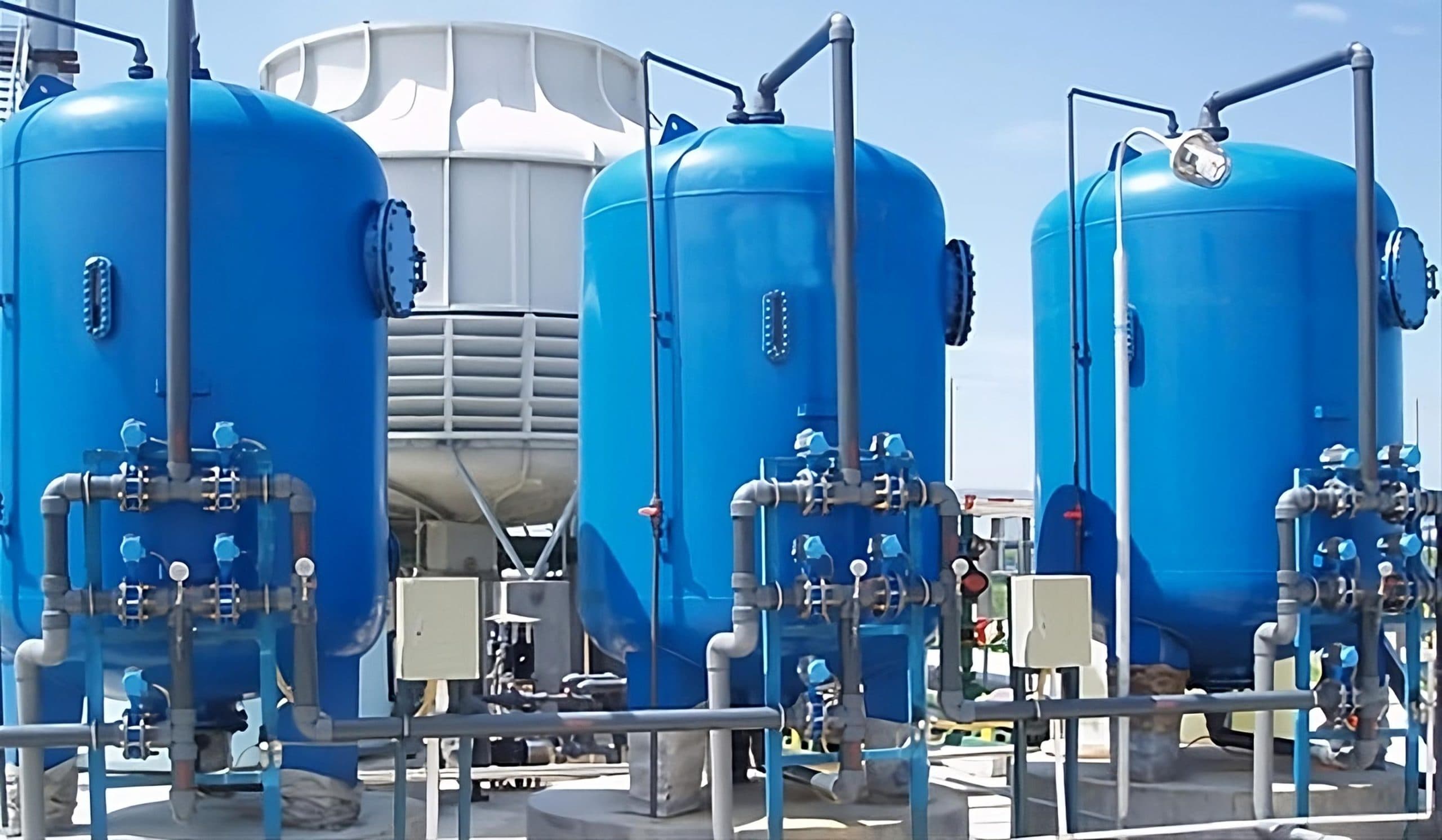
Sand Filters
Sand filters that deliver clarity by filtering sediment, particles and suspended solids from your water.
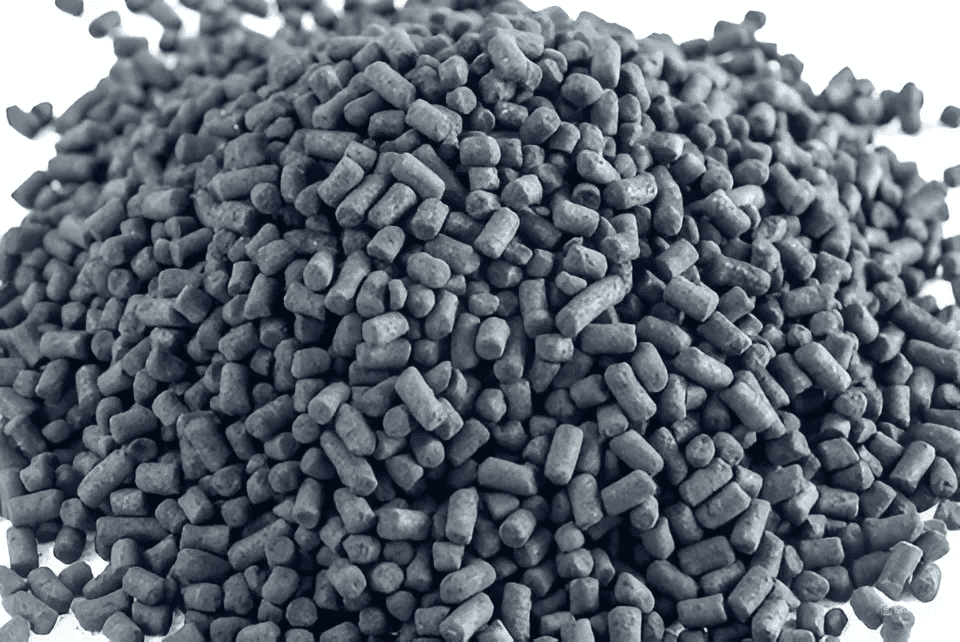
Activated Carbon Filter Systems
Activated carbon filters that remove chlorine, unpleasant taste and odour to deliver better-tasting, healthier water.
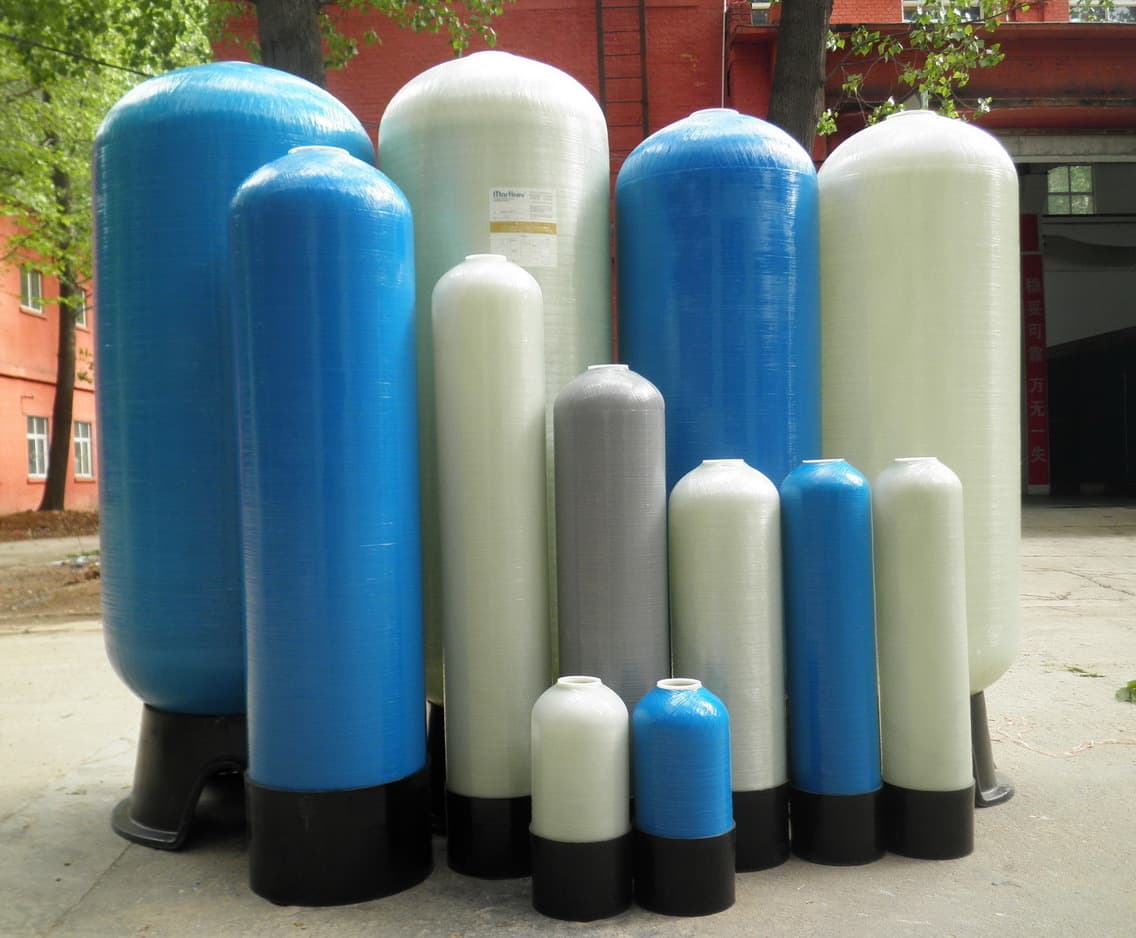
Filtration Systems
High-performance filtration systems with FRP and stainless steel tanks that remove sediment, turbidity, chlorine, iron, manganese and other contaminants.
Get a quote for this system
Let us analyse your plant's water and design the right system together.