
Ozonation Systems: A Powerful and Eco-Friendly Solution in Industrial Treatment
Ozone-based oxidation and disinfection that removes colour, odour and micro-pollutants without leaving chemical residues.
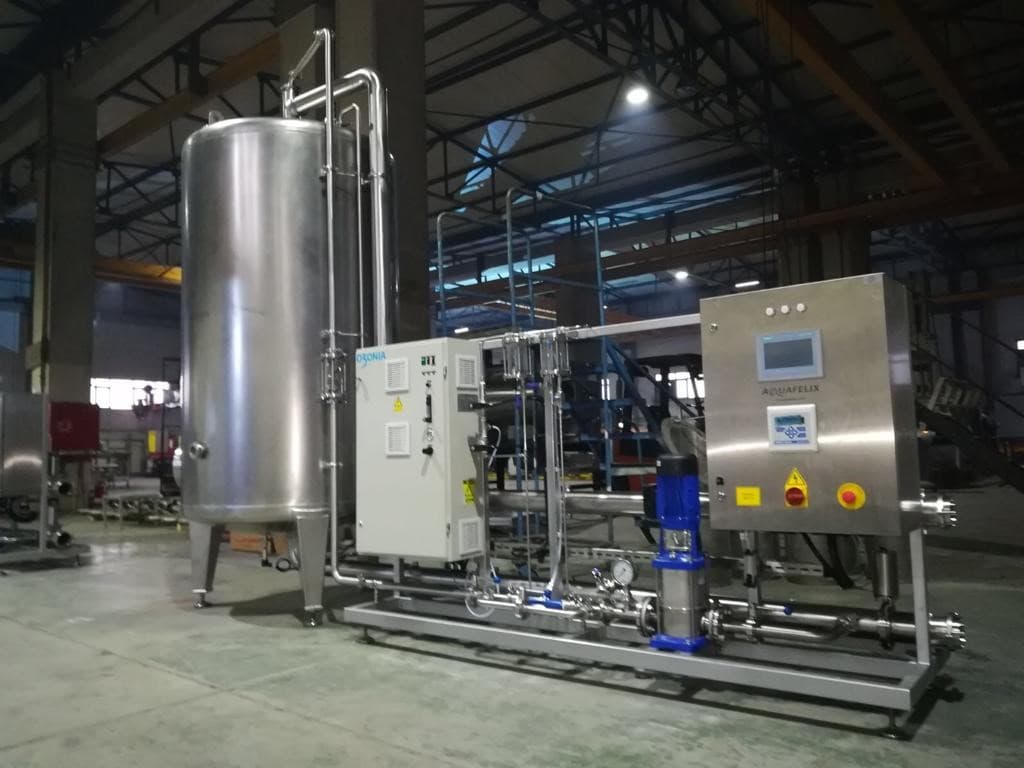
In today's industrial production processes, effective water management and treatment are vital for both environmental sustainability and operational efficiency. This is where Ozonation Systems stand out as an innovative technology offering powerful disinfection capacity and an environmentally friendly design. Offering advanced treatment solutions especially for drinking water treatment plants, industrial facilities, factories, production plants and environmental technologies, ozonation plays a key role in water reuse and in meeting discharge standards. So what exactly are ozonation systems, and what benefits can they bring to your treatment processes?
Advantages of Ozone Technology in Treatment Processes
The advantages of ozone technology make it an attractive option for companies, both for meeting their environmental responsibilities and for optimising operating costs:
- High Disinfection Power: Ozone is a much stronger oxidant than conventional disinfectants such as chlorine. It is effective across a broad spectrum against bacteria, viruses, spores, cysts and other pathogens and achieves higher removal efficiency with shorter contact times.
- Leaves No Chemical Residue: Because ozone turns back into oxygen after reacting, the risk of forming harmful disinfection by-products (DBPs) in treated water is low. This is especially important in sensitive sectors such as food, beverages and pharmaceuticals.
- Colour, Taste and Odour Removal: Ozone effectively oxidises the organic and inorganic substances that cause colour, taste and odour in water, significantly improving water quality.
- Removal of Micropollutants: It is effective against micropollutants such as pesticides, pharmaceutical residues and endocrine disruptors that are difficult to remove with conventional treatment methods.
- Iron, Manganese and Sulphide Removal: Ozone oxidises dissolved iron, manganese and sulphide, making it easier for them to precipitate and be removed from the water.
- Environmentally Friendly: It reduces or eliminates the use of chemicals and the need to transport and store hazardous chemicals.
- Ease of Operation and Automation: Modern ozonation systems offer fully automatic control and monitoring for easy operation.
- Reduction of COD and BOD Load: In wastewater ozonation applications, it reduces the organic load (COD and BOD) and helps meet discharge standards for the receiving environment.
Industrial Applications of Ozonation Systems
Ozonation systems are used effectively across a wide range of industries thanks to their versatility. The main applications are:
- Drinking Water Treatment Plants: Primary disinfection and removal of taste, odour and colour for the production of safe, high-quality drinking water.
- Wastewater Treatment Plants: Disinfection of industrial and domestic wastewater, reduction of organic load, colour removal and oxidation of toxic compounds. It can be used as an advanced treatment stage, particularly after biological processes such as activated sludge systems .
- Food and Beverage Industry: Process water disinfection, treatment of bottling water, sterilisation of equipment and surfaces, and treatment of product washing water. Ozone can also help extend the shelf life of food products.
- Swimming Pools and Spas: Provides a healthier and more comfortable swimming environment by reducing or eliminating chlorine use and preventing chloramine formation.
- Textile Industry: Colour removal from coloured wastewater generated by dyeing and finishing processes.
- Pulp and Paper Industry: As an alternative to chlorine-based chemicals in bleaching and in wastewater treatment.
- Pharmaceutical and Cosmetics Industry: Production of high-purity process water and sterilisation of equipment.
- Cooling Towers: Controls biofilm formation, reducing risks such as Legionella and improving heat transfer efficiency.
- Fish Farms (Aquaculture): Improves water quality, enhancing fish health and growth rates.
- Agriculture: Disinfection of irrigation water and disease control in greenhouses.
This wide range of applications shows that ozonation systems can offer flexible solutions for different industrial needs. In addition, where specific pollutants such as heavy metals are present, ozonation can be integrated with other technologies (for example ultrafiltration membranes) as a pre- or post-treatment stage.
Key Technical Parameters:
Feature | Description | Typical Values/Options |
|---|---|---|
Ozone Production Capacity | Amount of ozone produced per hour (g/h or kg/h) | From 1 g/h to >100 kg/h depending on process needs |
Feed Gas | Gas supplied to the ozone generator (air, enriched oxygen, pure oxygen) | Air, oxygen concentrator output, liquid oxygen (LOX) |
Ozone Concentration | Percentage of ozone in the produced gas (% by weight) | 1–5% with air feed, 6–14% with oxygen feed (Source: Teknozone PDF) |
Energy Consumption | Energy used per unit of ozone produced (kWh/kg O₃) | Varies with generator type and capacity |
Cooling System | Removal of heat generated by the ozone generator (air-cooled, water-cooled) | Air for small capacities, water for large ones |
Contact System | Unit that brings ozone into contact with water (diffusers, venturi injectors, static mixers, contact tanks) | Application-specific design |
Ozone Destruct Unit | Safe conversion of unused ozone leaving the contact tank back into oxygen | Thermal or catalytic |
Control and Monitoring | ORP (oxidation-reduction potential), dissolved ozone sensors, flow meters, PLC-based automation | Advanced automation and remote monitoring options |
Points to Consider in Ozonation System Design:
Factor | Description | Importance |
|---|---|---|
Water Quality Analysis | Detailed chemical and microbiological analysis of the water to be treated | Critical for determining the required ozone dose and potential side reactions |
Ozone Demand | Amount of ozone that oxidisable substances in the water will consume | The basis for selecting a generator of the right capacity |
Contact Time | Minimum time required for ozone to react effectively with water | Important for adequate disinfection and oxidation |
Dissolved Ozone Measurement | Continuous monitoring of ozone concentration in the water | Required for process control and optimisation |
Material Selection | Use of materials resistant to the corrosive effect of ozone (e.g. stainless steel, PTFE) | Increases system life and safety |
Safety Measures | Ozone gas leak detectors, ventilation systems, staff training | Important because ozone can be toxic at high concentrations |
Legislation | Compliance with relevant environmental and discharge regulations | Mandatory for legal compliance and to avoid penalties |
Before investing in an ozonation system, having an expert team analyse your process needs and water characteristics in detail is critical to designing the most suitable and efficient system.
Why Aquadestech Ozonation Systems?
At AquaDESTECH, with our deep experience in industrial treatment and our expert engineering team, we design, install and commission the most efficient and reliable ozonation systems for your company's specific needs. Our solutions offer:
High Efficiency and Reliability
We deliver maximum treatment performance and uninterrupted operation using state-of-the-art industrial ozone generators and components.
Customised Design
Every company has different water characteristics and treatment goals. That is why we design systems tailored to you based on detailed analyses.
Cost-Effective Solutions
We lower your investment and operating costs with highly energy-efficient systems and optimised operating conditions.
Full Automation and Ease of Use
We offer solutions that require minimal operator intervention, with user-friendly interfaces and PLC-based automation systems.
After-Sales Support
We are at your side after installation with periodic maintenance, technical service and spare parts supply.
Other products
View all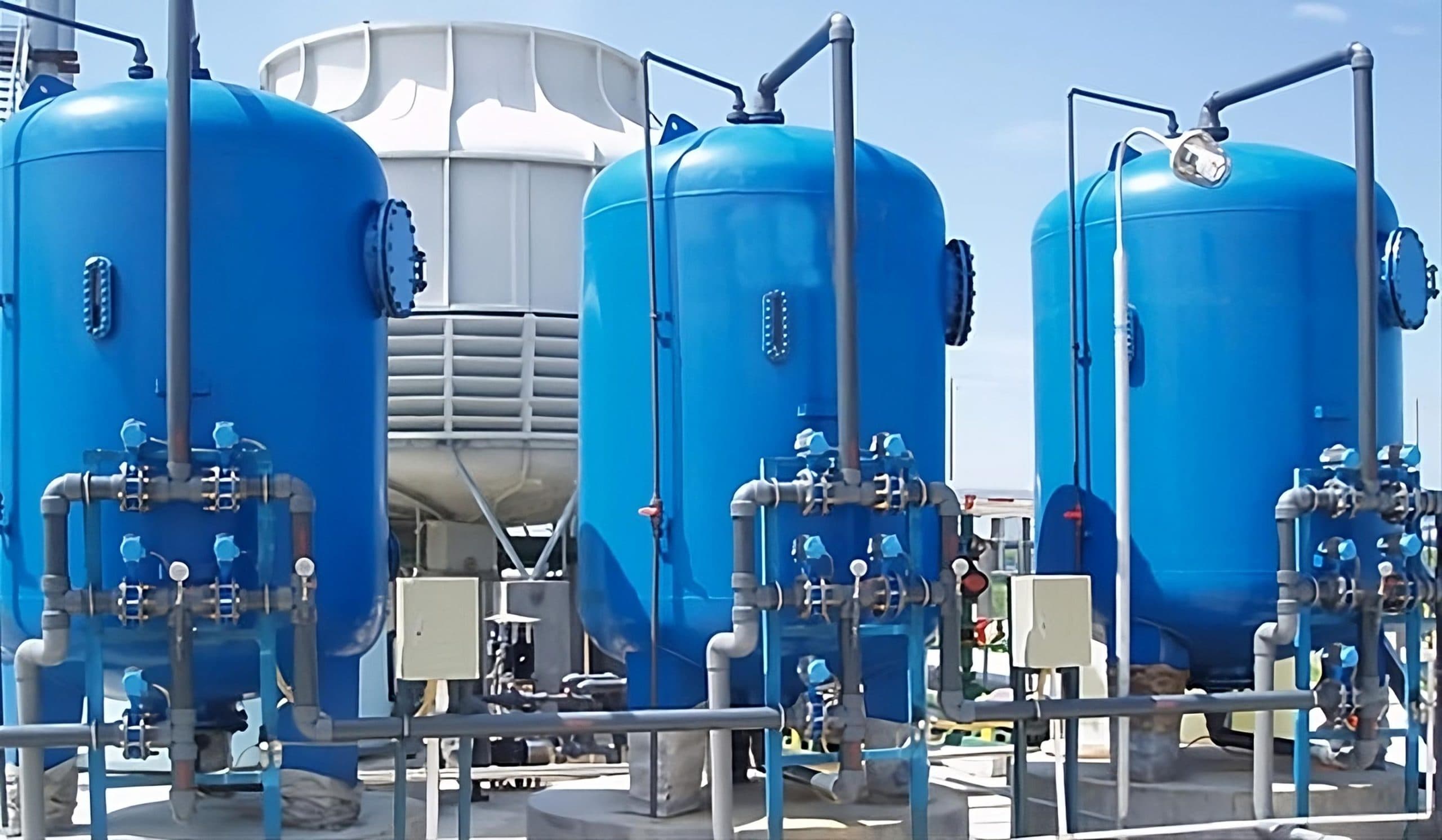
Sand Filters
Sand filters that deliver clarity by filtering sediment, particles and suspended solids from your water.
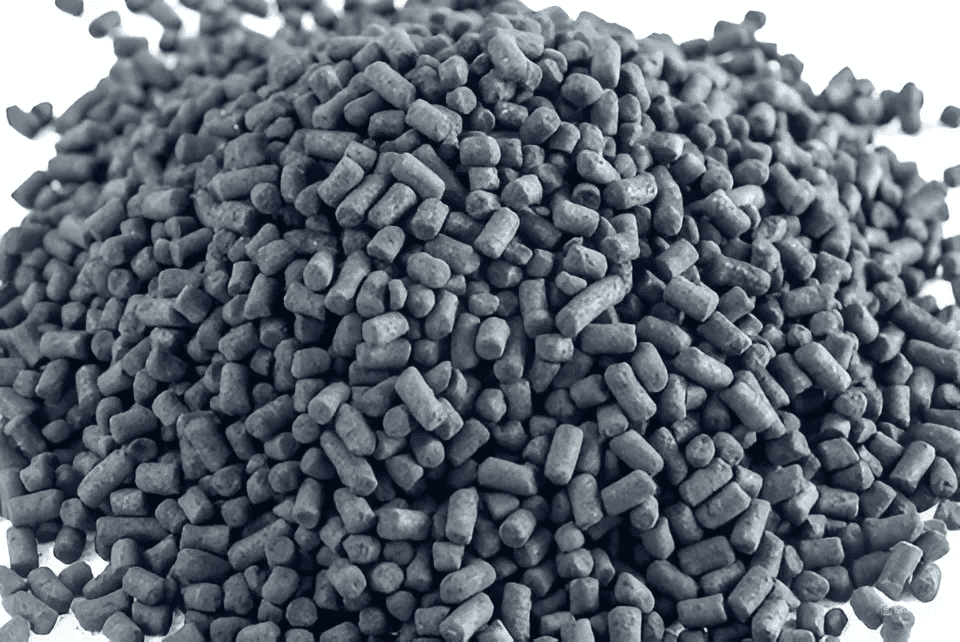
Activated Carbon Filter Systems
Activated carbon filters that remove chlorine, unpleasant taste and odour to deliver better-tasting, healthier water.
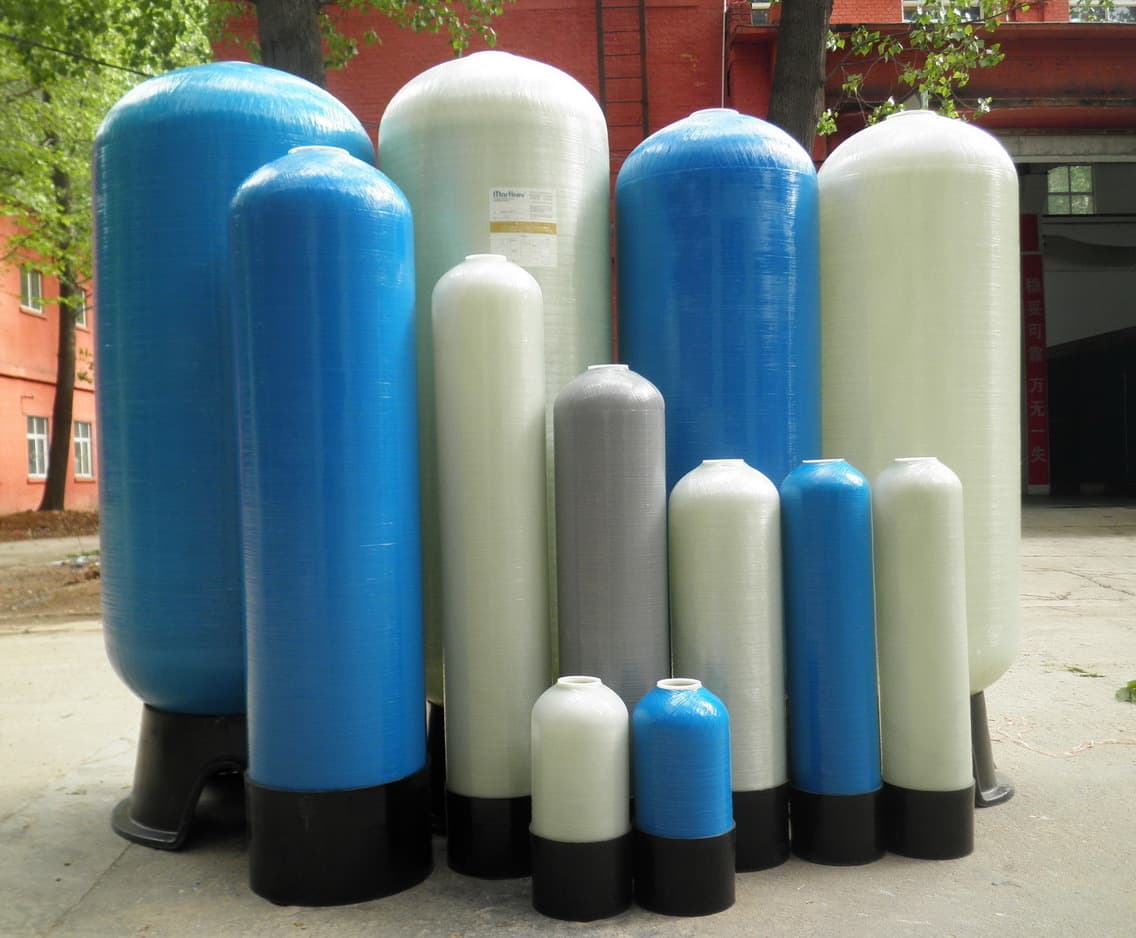
Filtration Systems
High-performance filtration systems with FRP and stainless steel tanks that remove sediment, turbidity, chlorine, iron, manganese and other contaminants.
Get a quote for this system
Let us analyse your plant's water and design the right system together.