
UV Sterilisation Systems: The Power of Light in Water Treatment
UV disinfection systems that inactivate bacteria and viruses in your water with UV light, without using chemicals.
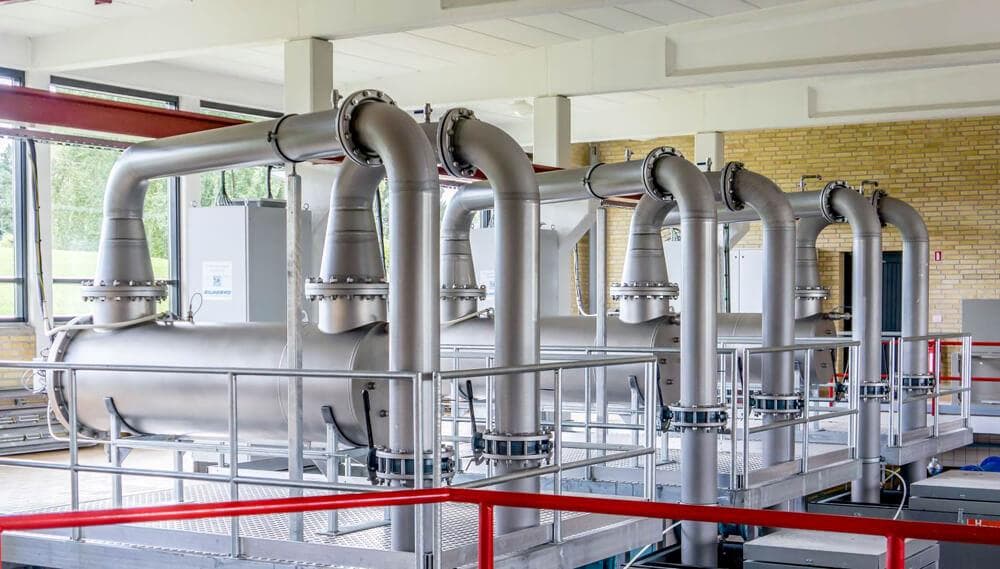
UV sterilisation systems are innovative solutions that use UV-C light to inactivate bacteria, viruses and pathogens in water treatment processes without chemicals. Thanks to the engineering-driven approach of aquaDESTECH, UV technology creates a safe and sustainable barrier in the treated water.
The Added Value of UV Sterilisation Systems in Industrial Applications
Today, safe treatment and reuse of water is of great importance both environmentally and economically. UV sterilisation systems, particularly in industrial plants with ambitious sustainability goals, reduce the use of chemicals and prevent the formation of by-products harmful to the environment.
Key Advantages:
- Physical and chemical properties are preserved:
The UV system only inactivates the biological load of the water; its taste, odour and chemical balance are not altered. - Reuse of treated water:
The high-quality water obtained can be safely reused in processes or products. - Wide range of sector applications:
- In the food and beverage sector, taste and aroma are preserved.
- In pharmaceuticals and biotechnology, high microbiological safety is ensured.
- In power plants, treating boiler feed water reduces the risk of corrosion in equipment and lowers maintenance costs.
- In the textile industry, dye residues in rinse water are removed without odour and production quality improves.
Technological Innovation and Savings:
- Fully automatic wiper systems and remote monitoring — smart technologies integrated into modern UV sterilisation systems — lower maintenance costs and minimise the risk of failure.
- Their modular structure allows easy integration into existing treatment infrastructure, offering maximum flexibility for both new installations and upgrades of existing systems.
- Long-life UV lamps and low energy consumption create sustainable savings for businesses.
Technological Developments in UV Sterilisation and Future Treatment Trends
UV sterilisation systems are not limited to removing microorganisms; with advancing technology they also enable innovative applications such as online water monitoring, digital recording of process data and remote control. Especially in Industry 4.0-ready treatment systems, automation and data integration make continuous performance tracking possible. As a result, potential failures are detected in advance, maximising the efficiency and safety of the system. In addition, new-generation UV lamps are increasing energy efficiency and extending service life. With twin-lamp or multi-lamp technologies, even the sterilisation of high-flow water can be carried out in a very short time and with high safety.
International bodies such as the EPA specifically emphasise that UV technology is a chemical-free, environmentally friendly and effective solution. In the future, with growing water demand and stricter environmental regulations, UV sterilisation systems are expected to become far more widespread both in Türkiye and worldwide. In water reuse, zero liquid discharge projects and sustainable industrial production goals, the role of UV technology will keep growing.
In conclusion, UV sterilisation systems combine reliability, energy efficiency, environmental responsibility and long-term savings in companies' water treatment processes.
How Do UV Sterilisation Systems Work?
- The UV-C wavelength (254 nm) disrupts the DNA/RNA sequence of microorganisms.
- Leaves no chemical residue and does not change taste or odour.
- With special low-pressure lamps energy consumption is minimised (≤ 40 W/m³).
- A fully automatic wiper mechanism prevents fouling on the quartz sleeve.
The EPA's disinfection guidance lists UV systems among the most reliable methods for chemical-free removal of microorganisms.
Industrial Applications
Sector | Application | Benefit |
|---|---|---|
Food & Beverage | Final disinfection in CIP lines | Chemical savings, taste and odour preserved |
Pharmaceuticals & Biotechnology | Purified water (PW/WFI) preparation | High microbiological safety |
Power Plants | Boiler feed water | Reduced risk of corrosion |
Textile | Rinse water | Odour-free removal of dye residues |
Advantages of aquaDESTECH UV Sterilisation Systems
Modular and Compact Design
Capacity from 1 to 200 m³/h; flanged “plug-and-play” connection to existing lines.
Digital Automation and SCADA
- PLC-based sensor feedback
- Remote access, alarms and an easy-to-maintain HMI panel
Energy-Efficient Design
25% lower power consumption thanks to new-generation electronic ballasts and high-efficiency blower technology.
WHO data shows that UV-C at a dose of 40 mJ/cm² achieves 99.99% virus inactivation.
Frequently Asked Questions
UV-C light (254 nm) disrupts the DNA of bacteria and viruses and stops them from multiplying. No chemicals are added and the taste and odour of the water are unchanged. This allows the plant to eliminate microbiological risk with minimal energy.
aquaDESTECH designs modular units from 1 m³/h up to 200 m³/h. As the flow increases, the number of units is multiplied; the process does not stop and maintenance becomes easier.
Low-pressure UV lamps run for 9,000–12,000 hours on average. A smart sensor displays a warning on the panel when intensity drops below 70%. The operator only replaces the lamp; the quartz sleeve stays in place.
No. Thanks to modern electronic ballasts, typical energy demand is below 30–40 W/m³. When integrated with flow sensors, output is automatically turned down according to process demand, just like in air-controlled systems.
At point-of-use locations, UV alone is usually sufficient. If there is a storage tank or pipeline, a low-dose chlorine residual is recommended. This hybrid approach keeps the water sterile while reducing chemical consumption.
UV light is weakened by turbidity above 1 NTU. The solution is to add a sand filter or ultrafiltration pre-treatment, which increases light transmission and maintains system efficiency.
Low-pressure lamps emit only in the 254 nm band; the 185 nm line that produces harmful ozone is blocked. Stainless steel housings and seals are designed so that no UV leaks outside the working area.
Monthly: operate the quartz sleeve wiper mechanism. Quarterly: visually inspect the seals. Yearly: replace the lamp and the reactor O-rings.
Metals do not block UV, but iron and manganese can form a film on the quartz surface. In this case, pre-treatment with an activated carbon filter or oxidative precipitation is recommended.
aquaDESTECH UV units are designed to meet the NSF/ANSI 55 Class A UV dose criteria and the EPA microbial barrier guidance, ensuring full compliance with global hygiene requirements.
Other products
View all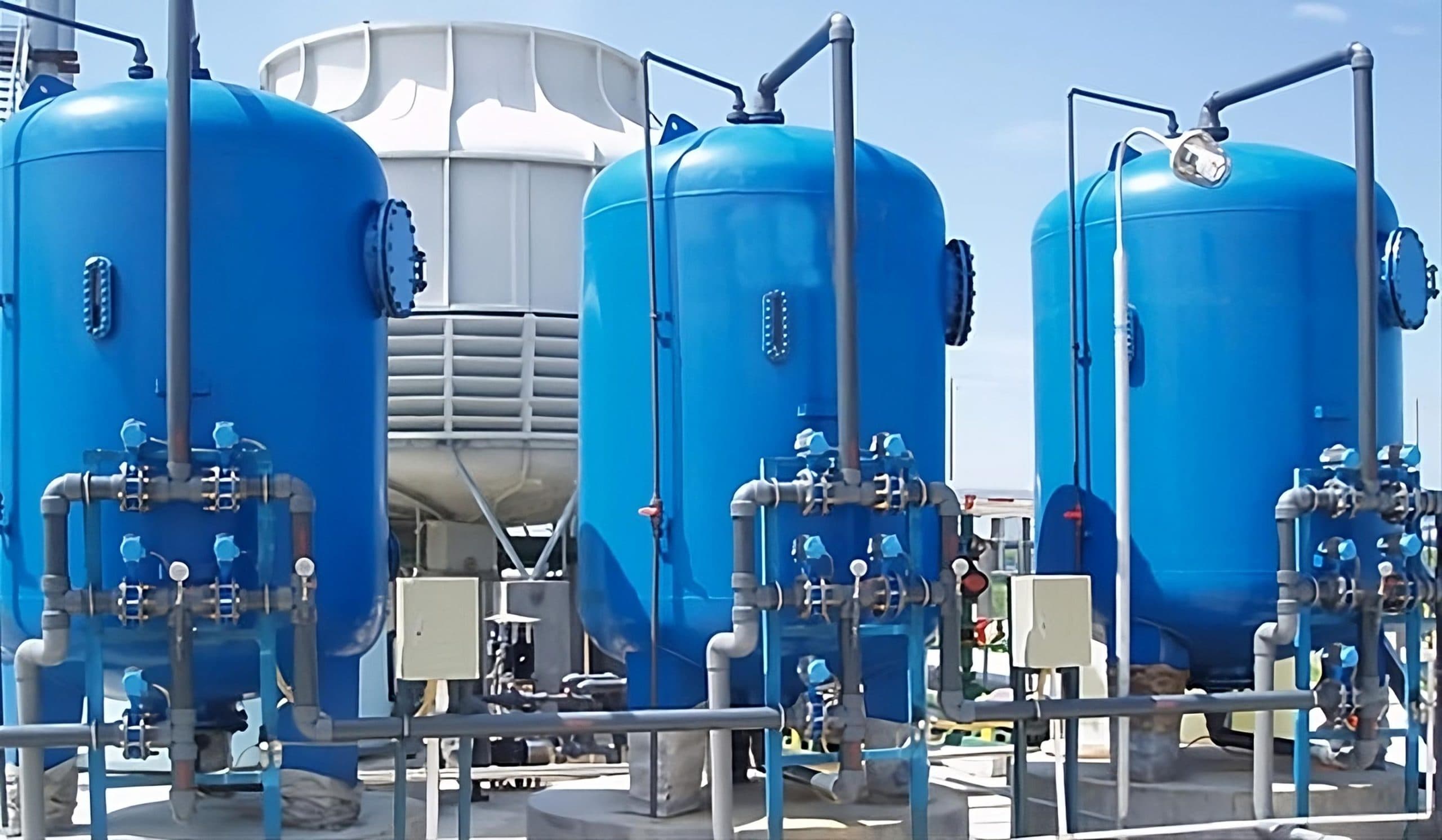
Sand Filters
Sand filters that deliver clarity by filtering sediment, particles and suspended solids from your water.
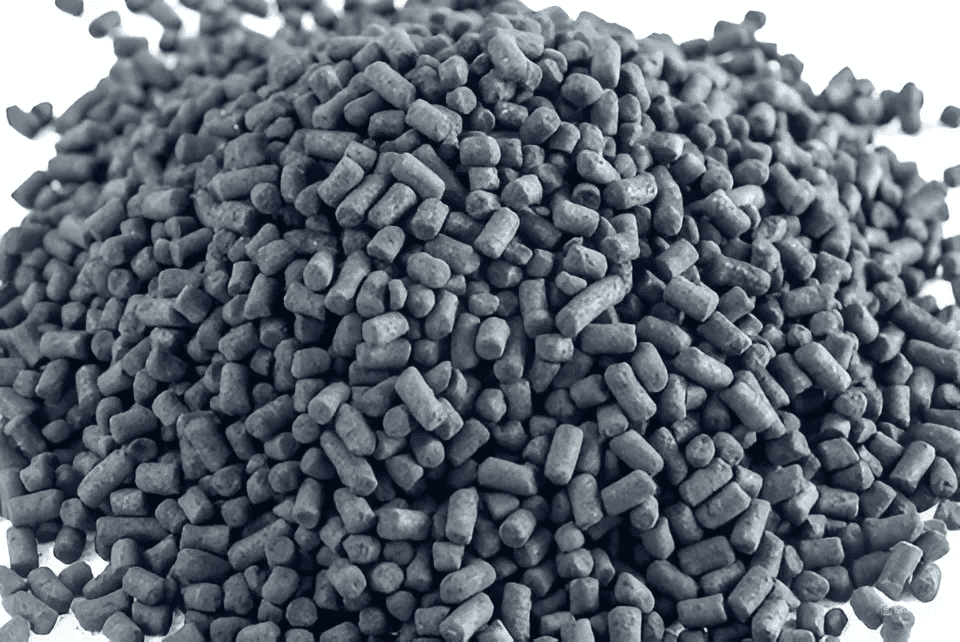
Activated Carbon Filter Systems
Activated carbon filters that remove chlorine, unpleasant taste and odour to deliver better-tasting, healthier water.
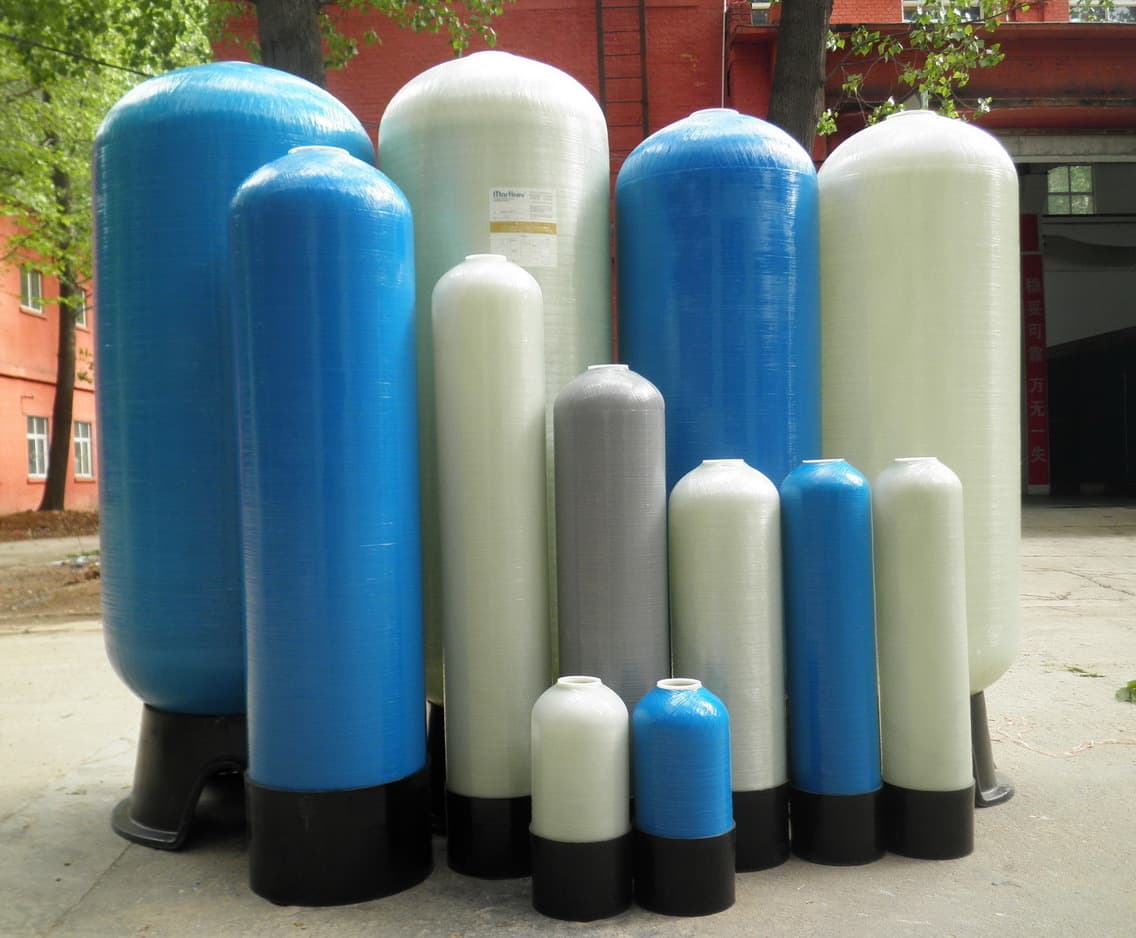
Filtration Systems
High-performance filtration systems with FRP and stainless steel tanks that remove sediment, turbidity, chlorine, iron, manganese and other contaminants.
Get a quote for this system
Let us analyse your plant's water and design the right system together.