
Biological Treatment Units: Effective and Sustainable Solutions for Domestic and Industrial Wastewater
Units that biologically break down organic matter in wastewater with activated sludge, biofilm and membrane bioreactor technologies.
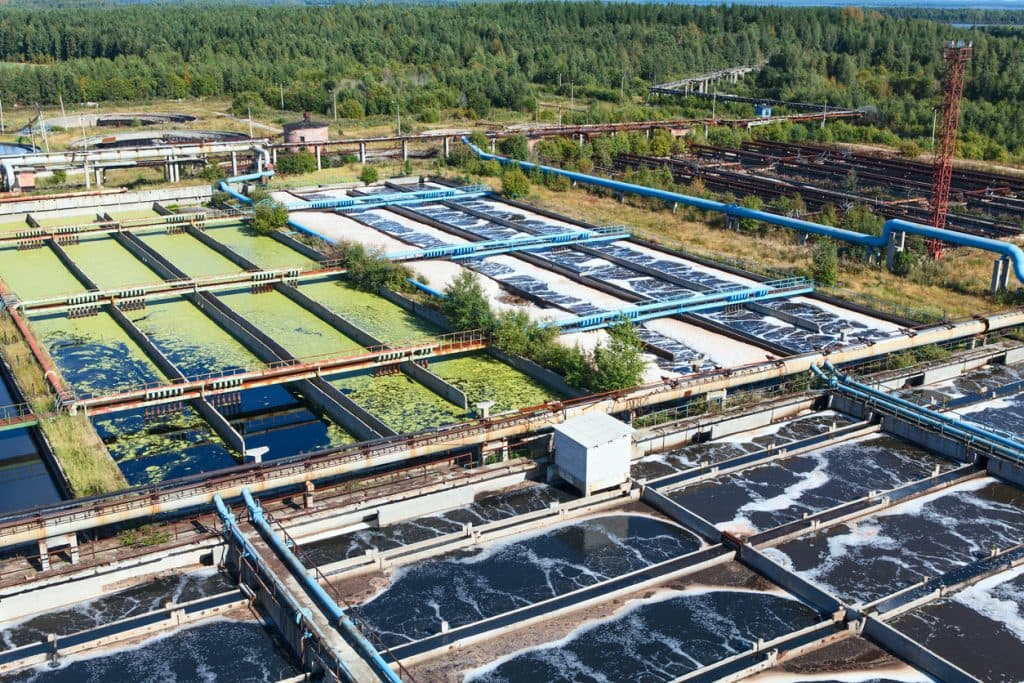
Wastewater contains not only visible physical pollutants but also dissolved organic matter, nutrients such as nitrogen and phosphorus, and biodegradable loads. To remove these pollutants without harming the environment, the biological cycles found in nature are put to use. Biological treatment units are engineering solutions that optimise this process in a controlled environment.
The Difference Between Domestic and Industrial Biological Treatment
Domestic wastewater mainly consists of water from kitchens, bathrooms, toilets and sinks. Its main pollution load is organic matter, detergent residues and small amounts of oil and grease. Biological treatment processes in domestic systems are more stable because the incoming load usually varies little. For this reason, conventional activated sludge systems and compact, automated systems such as SBR (sequencing batch reactor) and MBBR (moving bed biofilm reactor) are frequently preferred.
On the other hand, industrial wastewater can be far more complex and heavily polluted depending on the processes involved. Wastewater from sectors such as chemicals, food, textiles, metal and paper may have variable flows and toxic characteristics. Industrial biological treatment systems therefore require advanced process solutions such as high biological load removal capacity, nitrogen and phosphorus removal and biofilm carrier systems (MBBR, IFAS).
The Basic Principle of Biological Treatment
Biological treatment is based on the breakdown of organic matter in wastewater by microorganisms into carbon dioxide, water and new microbial cells (biomass). In this process, bacteria use organic matter as a source of food and energy, and the wastewater is cleaned at the same time.
For these biological activities to be effective, the following environmental parameters must be in balance:
- Temperature: generally 10–35 °C supports optimum operation
- pH: should be kept in the 6.5–8.5 range
- Dissolved oxygen (DO): should be maintained at ≥2 mg/L
- Nutrient ratio: the C:N:P ratio should ideally be 100:5:1
Microorganisms break down organic matter while working in aeration tanks. The biomass is then settled in clarifiers and separated from the water.
Biological Treatment Solutions from aquaDESTECH
At aquaDESTECH we design scalable, energy-efficient, automation-supported biological treatment units for both domestic and industrial applications.
- Compact, economical and user-friendly solutions for domestic systems
- Advanced designs with high organic load removal capacity and nitrogen/phosphorus removal for industrial systems
- SCADA-supported remote monitoring systems
- MBR, MBBR, SBR, IFAS and conventional activated sludge process alternatives
- Advanced treatment integrations for effluent recovery
Every wastewater has different characteristics, so treatment processes must be designed specifically for each plant. We carry out every step from an engineering perspective, including treatability analysis, process selection, reactor design, equipment manufacturing and on-site installation and commissioning.
Types of Biological Treatment Units Used in Industry
1. Activated Sludge System (Conventional ASP)
- The classic system in which microorganisms grow in suspension in continuous-flow reactors.
- Wide range of applications and high carbon removal capacity.
- Nitrification and denitrification processes can be integrated.
2. MBBR (Moving Bed Biofilm Reactor)
- Based on biofilm formation on carrier media.
- Compact, low sludge production and stable operation.
- Ideal for industrial water with a high organic load.
3. SBR (Sequencing Batch Reactor)
- A system in which filling, reaction, settling and decanting take place in sequence in the same tank.
- Offers flexible operation in plants with variable flow.
- Takes up little space and is easy to control.
4. Integrated Biological Nitrogen and Phosphorus Removal Systems
- Nitrification–Denitrification: Removes nitrogen by oxidising it to NO₃ and then converting it into nitrogen gas.
- EBPR (Enhanced Biological Phosphorus Removal): Removes phosphorus by accumulating it in the cells of microorganisms and settling them out.
Advantages of aquaDESTECH Biological Treatment Systems
High Treatment Efficiency
High performance in removing organic matter (BOD/COD), nitrogen (TKN/TN) and phosphorus.
Process-Based Design
Solutions are developed for each industry according to flow, load, characteristics and discharge standards.
Automation and SCADA Control
Every stage of the system can be monitored remotely and parameters are tracked in real time.
Low Sludge Production
Excess sludge production is minimised in optimised biological systems.
Energy Efficiency
Energy consumption is kept under control with new-generation blowers and aeration systems.
Frequently Asked Questions
Biological treatment is the process by which microorganisms break down dissolved organic matter in wastewater into carbon dioxide, water and new cell mass (biomass). The process usually takes place in aerated reactors, followed by sludge–water separation in final clarifiers. The system is based on applying natural processes in a controlled environment, resulting in treatment that is both effective and environmentally friendly.
• Suitable for wastewater with high BOD/COD from food, textiles, beverages and paper, domestic-type wastewater and wastewater containing biodegradable matter. • Water with a complex chemical structure or containing toxic or inhibitory substances needs pre-treatment. • Different processes (ASP, SBR, MBBR) are recommended depending on whether the plant operates continuously or intermittently.
The choice depends on flow, wastewater characteristics, process continuity and space constraints: • High flow, stable characteristics → Activated sludge process (ASP) • Variable characteristics, small footprint → MBBR or IFAS • Variable flow, limited space → SBR (batch system) • Nitrogen and phosphorus removal required → integrated N-DN + EBPR system At aquaDESTECH we analyse your plant and recommend the most suitable combination of biological processes.
For typical biological treatment units the process includes: • Design and engineering: 2–4 weeks • Manufacturing and equipment supply: 4–8 weeks • On-site installation and commissioning: 2–4 weeks In total, depending on system size, the plant can be commissioned within 2–3 months.
Yes. All our systems are designed to comply with the Turkish Water Pollution Control Regulation (SKKY) or any special standards requested. Depending on the required outlet parameters (BOD, COD, TSS, TN, TP), they can be supported with additional processes such as denitrification, phosphorus removal and advanced filtration.
Odour problems usually arise from oxygen-free (anaerobic) conditions or sludge standing for too long. In aquaDESTECH systems odour is prevented with: • Sufficient aeration capacity • Automatic sludge withdrawal and dewatering • Sludge thickening and controlled disposal
Conventional ASP systems may require a large area. However, with: • MBBR (biofilm-based systems) • SBR (compact batch systems) • Modular package biological systems highly efficient treatment is possible in limited spaces. These systems are preferred especially for new installations.
Most of the energy is used by the aeration system. However, with: • New-generation blower technology • Time-controlled aeration • Dissolved-oxygen-controlled automation energy savings of 20–30% are possible. In aquaDESTECH systems, energy optimisation is a primary design criterion.
On average, 0.3–0.7 kg of dry sludge is produced per m³ of wastewater. Excess sludge in the system is: • Withdrawn automatically • Thickened • Dewatered with geotubes, a belt press, a decanter or a filter press • Handed over to licensed disposal companies To reduce sludge production, operation at a high sludge age, a low F/M ratio and air-controlled systems are recommended.
Maintenance is easy but must be regular. The monthly and yearly maintenance plan includes: • Blower and diffuser maintenance • Dissolved oxygen (DO) and pH monitoring • Sludge age and MLSS measurement • Checks of valves and automation systems • Checks for foam and deposits in the reactors aquaDESTECH offers periodic maintenance support after commissioning. If you wish, 24/7 monitoring is possible with a remote monitoring system (SCADA).
Yes. All our biological systems are: • PLC-controlled • Supported by an HMI screen • Remotely monitorable via SCADA. Alarm management, dosing control, blower cycles and sludge withdrawal can be automated.
Absolutely. If the effluent is to be reused or discharged in environmentally sensitive areas, the system can be integrated with: • Filtration units • Activated carbon systems • UV / ozone / membrane (UF/RO) modules aquaDESTECH designs and delivers the complete process chain on a turnkey basis.
Other products
View all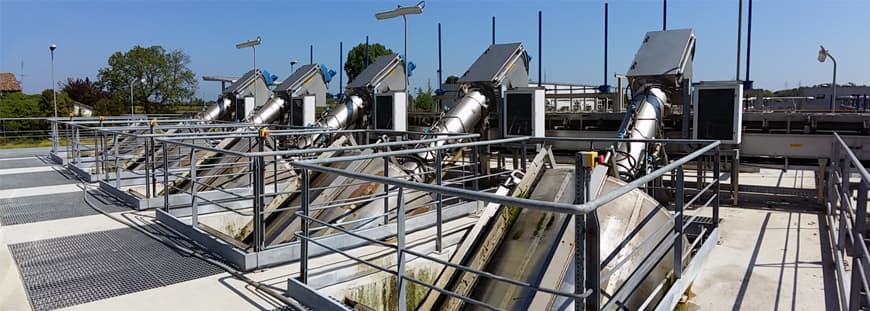
Physical Treatment Units
Units that remove solids and suspended particles from wastewater through screening, sieving, settling and filtration.
Chemical Treatment Units
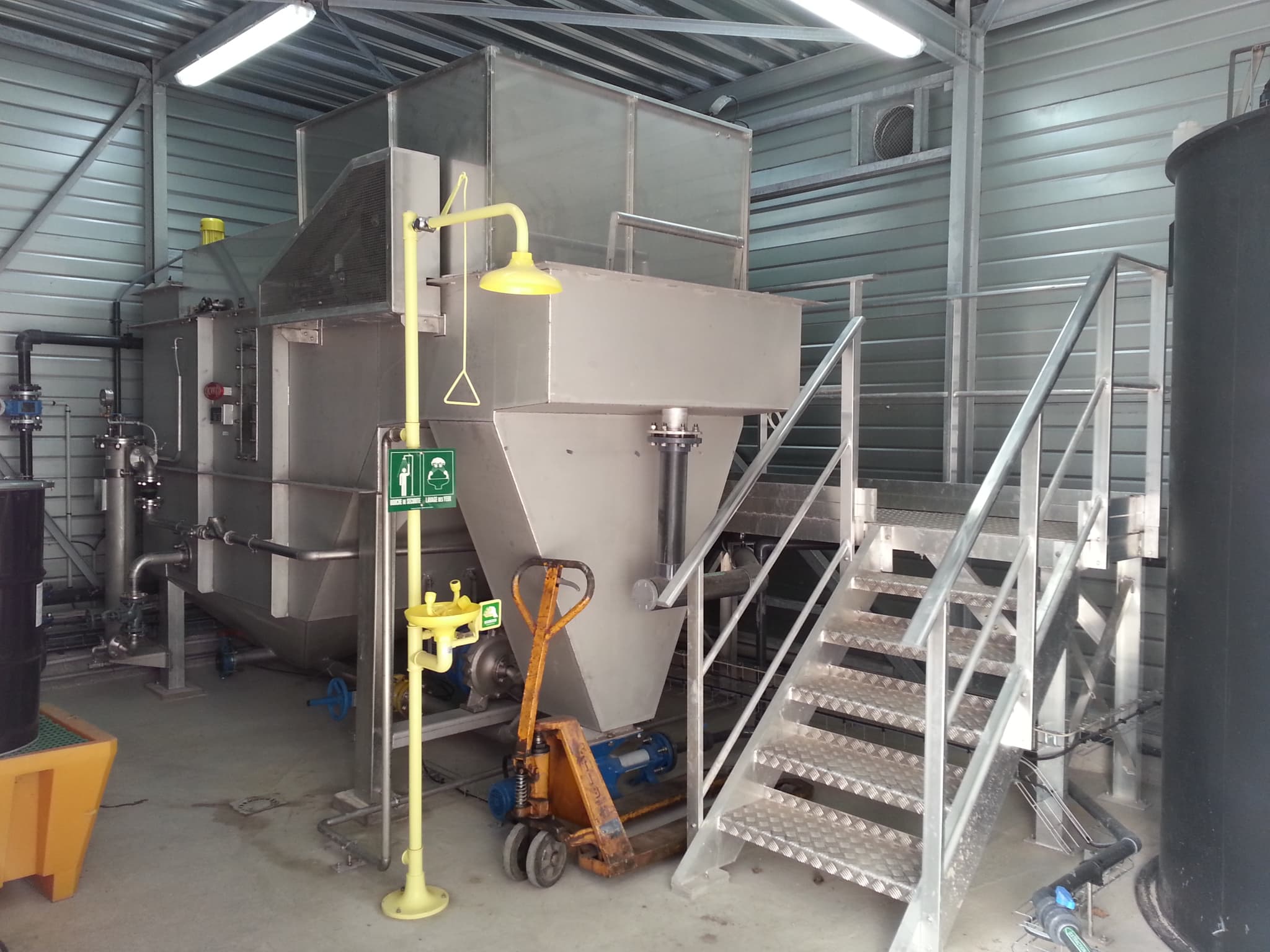
Units that remove dissolved organic and inorganic substances from wastewater through coagulation, flocculation, neutralisation and oxidation.
Advanced Treatment Units
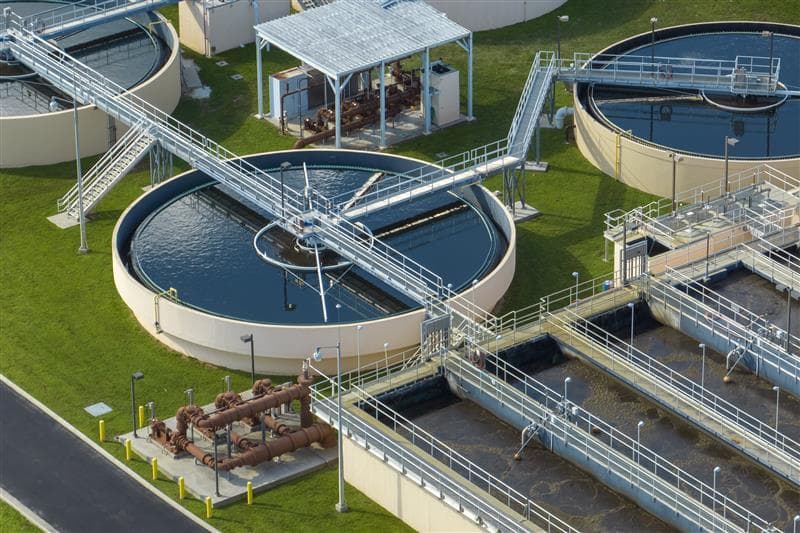
Advanced treatment units that remove persistent or toxic substances using advanced oxidation, adsorption, ion exchange and membrane filtration.
Get a quote for this system
Let us analyse your plant's water and design the right system together.