
Physical Treatment Units: The First and Fundamental Step of Industrial Wastewater Treatment
Units that remove solids and suspended particles from wastewater through screening, sieving, settling and filtration.
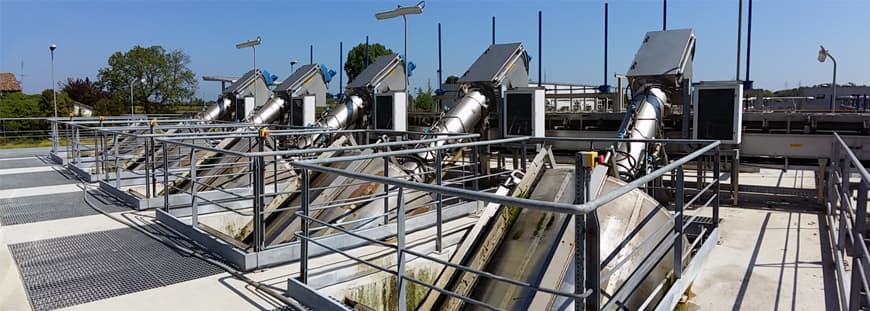
In industrial wastewater treatment processes, physical treatment units are an indispensable first stage for achieving an efficient and sustainable result. aquaDESTECH physical treatment systems are custom-designed for the needs of different sectors and built to deliver maximum performance. The main purpose of physical treatment is to remove suspended solids, coarse particles, sand, sludge, oil and similar contaminants from the water. This reduces the load on the downstream chemical and biological treatment units and increases the life and efficiency of the treatment plant.
Physical treatment units usually consist of mechanical bar screens, screens, grit chambers, settling (sedimentation) tanks, oil separators, lamella clarifier systems and equalisation (homogenisation) tanks. Each unit is selected and designed according to the wastewater composition and the needs of the plant. For example, coarse screens retain large particles and foreign objects, preventing damage to pumps and equipment. Grit chambers are used to separate inorganic materials such as sand and gravel. Oil separators are needed to remove oil and grease from water, especially in the food, automotive and metalworking sectors.
Settling tanks and lamella clarifier systems allow smaller suspended particles to settle to the bottom by reducing the flow velocity of the water. Lamella clarification saves space thanks to its more compact design compared with conventional settling tanks and achieves more efficient settling with its large surface area. In physical treatment, technical parameters such as wastewater flow, particle size, total suspended solids (TSS) concentration and hydraulic retention time (HRT) are critical from an engineering standpoint. aquaDESTECH offers the most suitable combination of equipment and processes for each facility, guaranteeing both process safety and long-term cost advantages.
Effective physical treatment reduces the risk of clogging and failure in pumps, valves, pipelines and downstream treatment units. In addition, removing a large share of organic and inorganic pollution at the first stage significantly lowers chemical and biological treatment costs. Equipped with modern automation systems, aquaDESTECH physical treatment units make process control easier with remote monitoring and data logging, delivering maximum efficiency with minimal human intervention.
For free consultancy from our expert engineers on physical treatment solutions developed specifically for the wastewater of your industrial facility, visit our contact page. With physical treatment units – the first and most critical step of your treatment plant – achieve both full regulatory compliance and sustainable efficiency in your water management.
Critical Parameters in Physical Treatment Design
Parameter | Typical Value/Range | Description |
|---|---|---|
Flow (Q) | 10 – 10,000 m³/day | Amount of wastewater entering the plant |
TSS | 100 – 5,000 mg/L | Total suspended solids concentration |
Grit Chamber Time | 1 – 3 minutes | Recommended time for grit separation |
Settling Velocity | 0.5 – 2 m/h | Ideal flow velocity in the sedimentation tank |
HRT (Settling) | 1 – 4 hours | Hydraulic retention time |
Physical Treatment Units and Their Functions
Unit | Function | Application |
|---|---|---|
Mechanical Bar Screen/Screen | Retains large particles and foreign objects | Influent wastewater, ahead of pumps |
Grit Chamber | Separates inorganic materials such as sand and gravel | Industrial and municipal wastewater plants |
Oil Separator | Separates oil and grease from water | Food, automotive, metalworking |
Settling Tank | Settles suspended solids | All wastewater treatment plants |
High-efficiency, compact settling | Plants with limited space | |
Equalisation Tank | Balances flow and pollution load | Processes with fluctuating loads |
Frequently Asked Questions
Physical treatment units form the first stage of the treatment process, in which suspended solids, sand, gravel, oil, grease and large particles are removed from wastewater by mechanical means. The aim is to reduce the load on downstream chemical and biological units, prevent clogging and breakdowns and improve effluent quality.
Mechanical bar screens, screens, grit chambers, oil separators, settling (sedimentation) tanks, lamella clarifier systems and equalisation tanks are the basic physical treatment equipment.
Large solids in the influent are physically retained by bar screens and screens with rod or perforated structures, protecting pumps and other sensitive equipment.
Inorganic particles such as sand and gravel cause wear on pumps and plant equipment. Grit chambers separate these particles and extend equipment life.
In the food, automotive and metalworking industries, using oil separators to remove oil and grease from water is a legal requirement and critical for treatment efficiency.
Conventional settling tanks need a large area, whereas lamella clarifier systems provide far more compact and efficient settling. Lamella clarifiers are preferred especially where space is limited.
In plants with fluctuating flow and pollution loads, it balances the flow and characteristics of the wastewater so that downstream processes run stably.
Depending on the water quality after physical treatment, chemical, biological or advanced treatment units are used.
Flow, particle size, amount of suspended solids, hydraulic retention time and the target effluent quality are the main parameters.
Dissolved salts, heavy metals and small molecules cannot be removed by physical treatment; chemical or biological treatment is required for these.
In most cases, no; the effluent of physical treatment is usually passed to further treatment stages. However, temporary use may be possible in some cases if the TSS limit is met.
With fewer breakdowns and lower maintenance and energy costs, it delivers significant savings in plant operation, and the investment pays for itself quickly.
Depending on space constraints and effluent quality targets, lamella clarifiers are preferred where a large surface area is required, and conventional tanks in standard plants.
Under Turkish discharge standards, the TSS limit for most sectors is 30–50 mg/L. These limits are approached after physical treatment.
The efficiency of physical treatment can be increased through adequate equipment capacity, proper maintenance, automation and process optimisation.
High-quality equipment, flexible site-specific design, full automation, minimal maintenance needs and long-lasting performance are the key advantages.
Other products
View all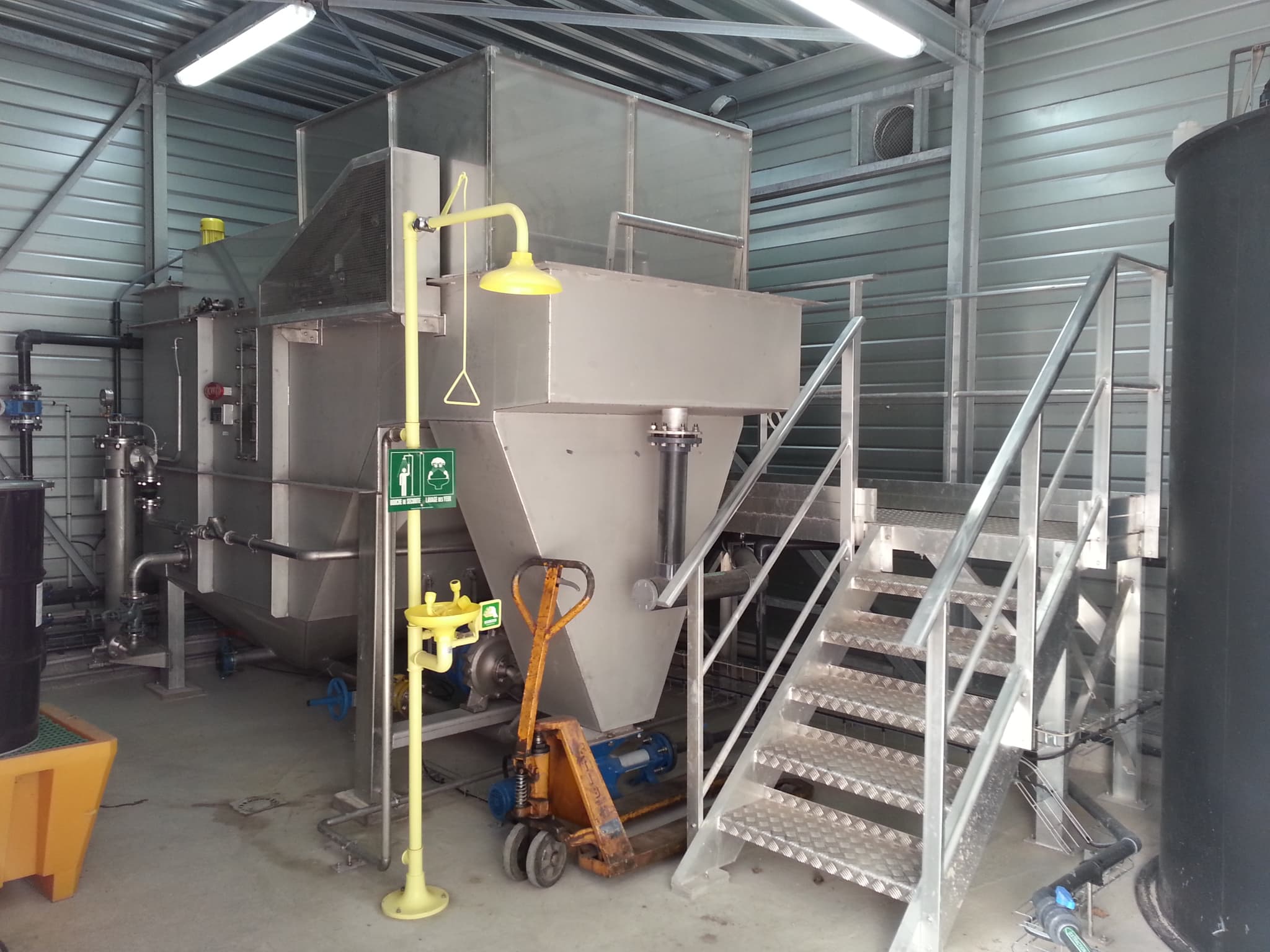
Chemical Treatment Units
Units that remove dissolved organic and inorganic substances from wastewater through coagulation, flocculation, neutralisation and oxidation.
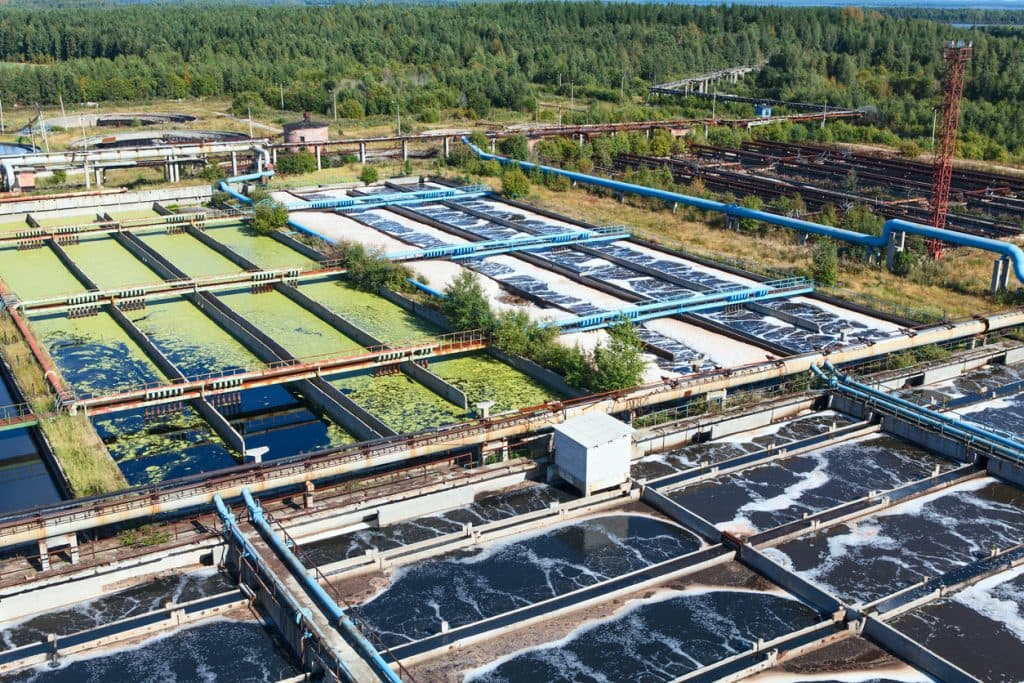
Biological Treatment Units
Units that biologically break down organic matter in wastewater with activated sludge, biofilm and membrane bioreactor technologies.
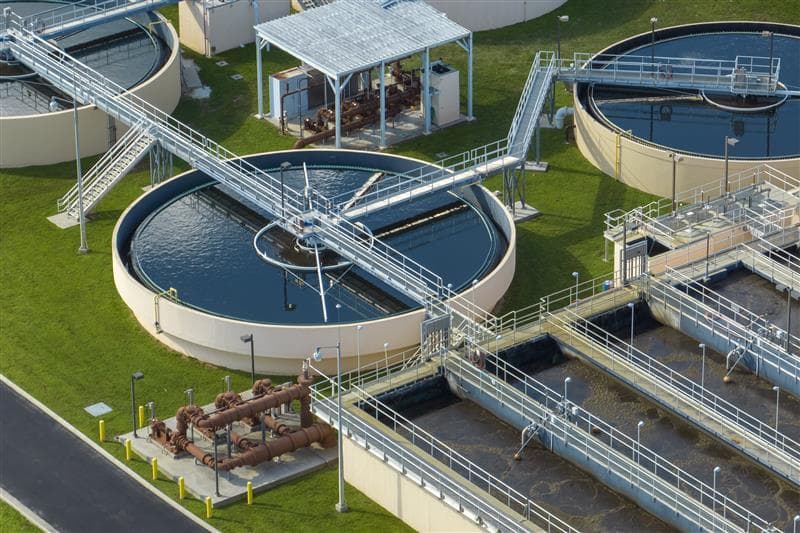
Advanced Treatment Units
Advanced treatment units that remove persistent or toxic substances using advanced oxidation, adsorption, ion exchange and membrane filtration.
Get a quote for this system
Let us analyse your plant's water and design the right system together.