
Chemical Treatment Units: A Critical Technology for Industrial Wastewater
Units that remove dissolved organic and inorganic substances from wastewater through coagulation, flocculation, neutralisation and oxidation.
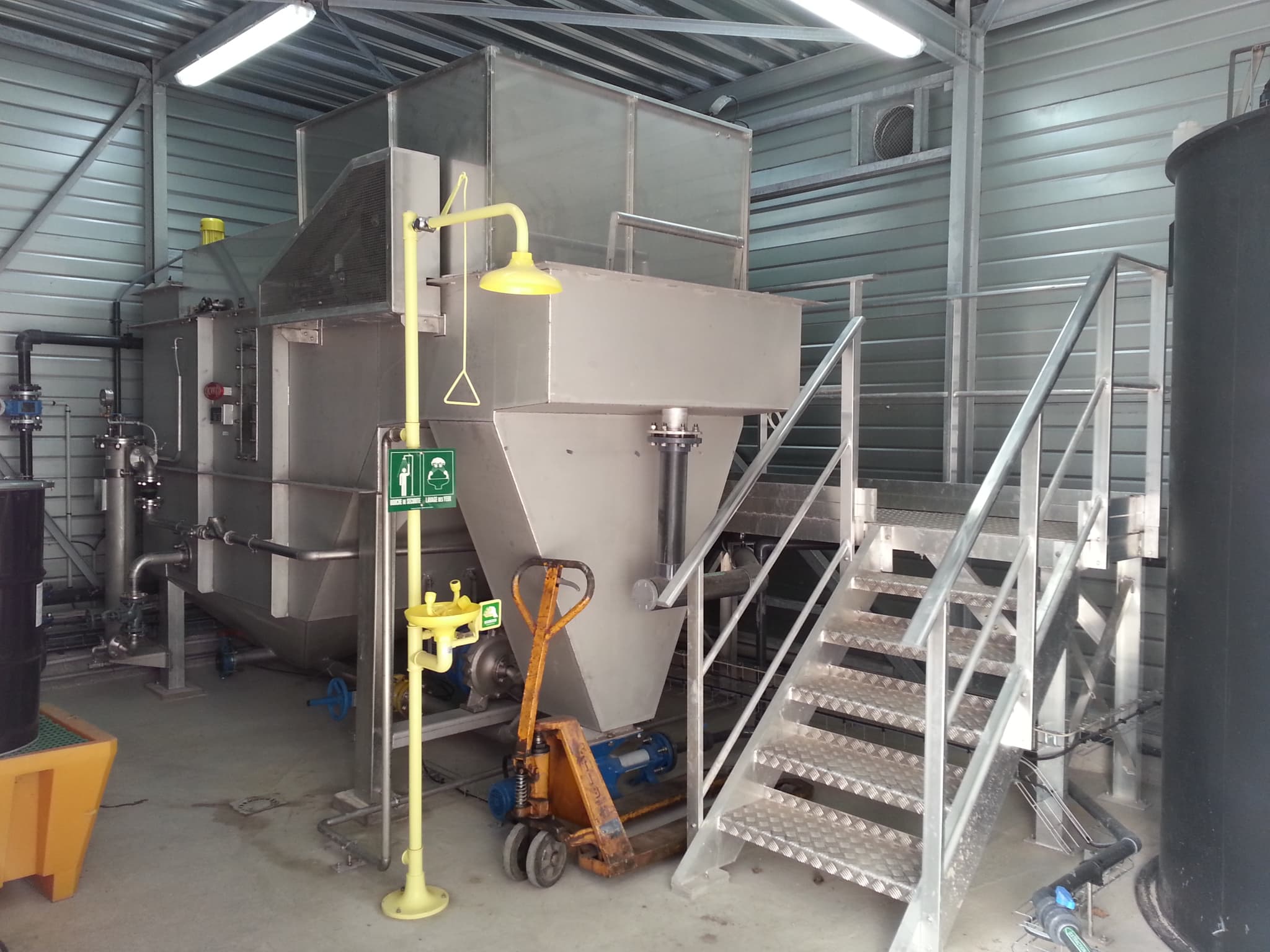
Because of process complexity and high pollution loads, industrial wastewater treatment usually requires multi-step, precise solutions. Chemical treatment units are highly efficient in removing components such as heavy metals, phosphate, sulphate, oil, grease and colour. aquaDESTECH designs chemical treatment systems developed for the needs of different sectors, each ensuring process efficiency and full compliance with environmental legislation.
Chemical treatment essentially involves coagulating, precipitating and/or neutralising dissolved or colloidal contaminants in water through chemical dosing. The most common applications include pH adjustment, coagulation-flocculation, chemical precipitation and oxidation. With the right equipment and chemical dosing, effluent quality improves significantly, producing water that is suitable for biological treatment and compliant with regulations.
In aquaDESTECH chemical treatment units, fully automatic pH control systems, dosing pumps, rapid mixers, flocculation tanks and automated settling systems work together in an integrated way. SCADA systems offering continuous data monitoring and remote intervention throughout the process guarantee efficiency and process safety. The chemicals dosed are optimised to the pollution characteristics of the water, avoiding unnecessary chemical use.
Chemical treatment units are among the most preferred solutions for meeting legal discharge standards in sectors such as textiles, leather, metal, galvanising, food, chemicals, energy and pharmaceuticals. With pH adjustment systems, wastewater is made suitable for subsequent processes and acid-base imbalances that could harm the environment are prevented. The sludge formed in coagulation and flocculation is handled by sludge dewatering units, reducing the final waste volume.
Chemical treatment also ensures stable process performance and flexibility against possible process changes. From reagent selection to dosing optimisation, and from equipment design to automation systems, aquaDESTECH expertise delivers sustainable, low-operating-cost solutions best suited to your facility. To achieve full regulatory compliance and environmental safety, you can request consultancy via our contact page.
Chemical Treatment Unit Components and Functions
Component | Function | Description |
|---|---|---|
Chemical Dosing Pump | Chemical feed | Provides automatic and precise dosing |
pH Control Unit | Adjusts acid-base balance | Continuous online measurement and automation |
Rapid Mixer | Chemical dispersion | Coagulant/flocculant is dispersed homogeneously |
Flocculation Tank | Particle growth and agglomeration | Supported by a slow mixer |
Settling Tank | Separation and settling of flocs | Delivers clear effluent after treatment |
Critical Parameters in the Chemical Treatment Process
Parameter | Recommended Range | Description |
|---|---|---|
pH | 6.5 – 8.5 | For optimum treatment and regulatory compliance |
Coagulant Dose | 20–100 mg/L | Adjusted to the pollution load |
Flocculant Dose | 1–5 mg/L | Small doses are sufficient for agglomeration |
Mixing Speed | 100–300 rpm | For rapid mixing |
Settling Time | 30–90 minutes | Time for particles to separate |
Why Aquadestech Chemical Treatment Units?
High Treatment Efficiency
Improves wastewater quality by effectively removing dissolved organic and inorganic substances.
Wide Range of Applications
Offers solutions suited to the wastewater treatment needs of food, textile, chemical, metal and other industrial facilities.
Flexible and Customisable
Designed specifically for the characteristics of your wastewater and your discharge limits.
Easy Operation and Maintenance
Easy to operate with automatic control systems and a user-friendly interface, and requires minimal maintenance.
Environmentally Responsible
Ensures wastewater is discharged without harming the environment.
Frequently Asked Questions
A chemical treatment unit is an automated, multi-step set of systems that removes dissolved and colloidal contaminants from wastewater through chemical reactions. In industrial facilities, chemical treatment is usually mandatory to remove hard-to-treat pollutants such as heavy metals, phosphate, sulphate, oil and colour in compliance with regulations.
The most common processes in chemical treatment are pH adjustment, coagulation, flocculation, chemical precipitation and oxidation. These can be applied individually or in combination depending on the wastewater composition.
Dissolved and colloidal substances, above all heavy metals (Pb, Zn, Cr, Ni), phosphate, sulphate, cyanide, oil and grease, and coloured and organic compounds, can be removed to a large extent by chemical treatment. Process success depends on many factors, from choosing the right chemicals to dosing optimisation and equipment design.
Coagulation brings together very small suspended particles that do not settle by adding a suitable chemical (coagulant). Then, in the flocculation stage, slow mixers help these particles form larger clusters (flocs) that are able to settle.
A pH imbalance both reduces the efficiency of chemical reactions and can harm the environment when wastewater is discharged. By adding acid or alkali with automatic pH sensors and dosing pumps, the desired pH range (usually 6.5–8.5) is maintained.
The optimum dosage should be determined by laboratory-scale jar tests based on the characteristics, flow and pollution load of the wastewater. Overdosing both increases costs and adds to the waste load.
Chemical dosing pumps, rapid and slow mixers, pH and ORP sensors, flocculation tanks, settling basins, sludge dewatering equipment and an automation panel are the basic equipment. Working together, they provide effective and safe treatment.
pH, temperature, mixing speed, chemical type and dose, contact time and particle concentration are decisive for process efficiency.
If it complies with regulations, the effluent of chemical treatment can be discharged directly or, after advanced treatment, used as process water, cooling water or irrigation water.
Sensor calibration, dosing pump maintenance, periodic checks of mixers, sludge removal and automation software updates should be carried out regularly.
Other products
View all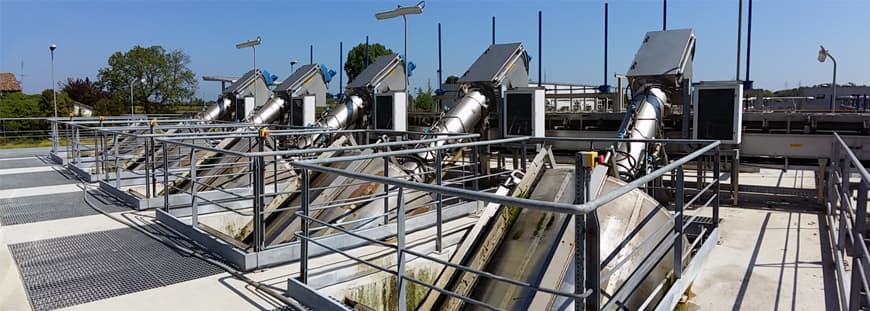
Physical Treatment Units
Units that remove solids and suspended particles from wastewater through screening, sieving, settling and filtration.
Biological Treatment Units
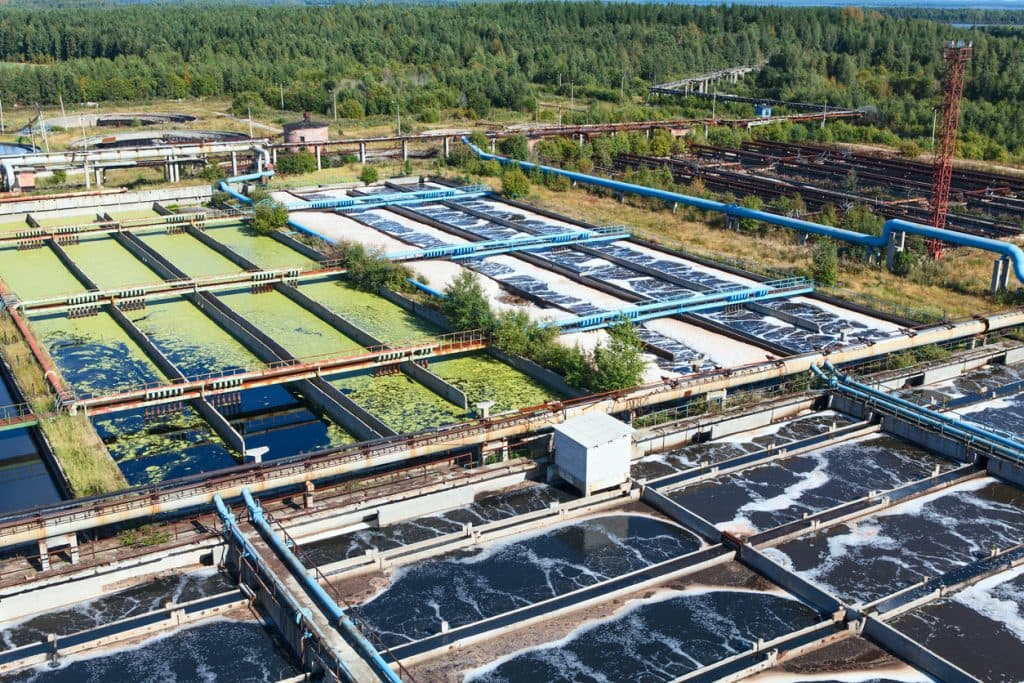
Units that biologically break down organic matter in wastewater with activated sludge, biofilm and membrane bioreactor technologies.
Advanced Treatment Units
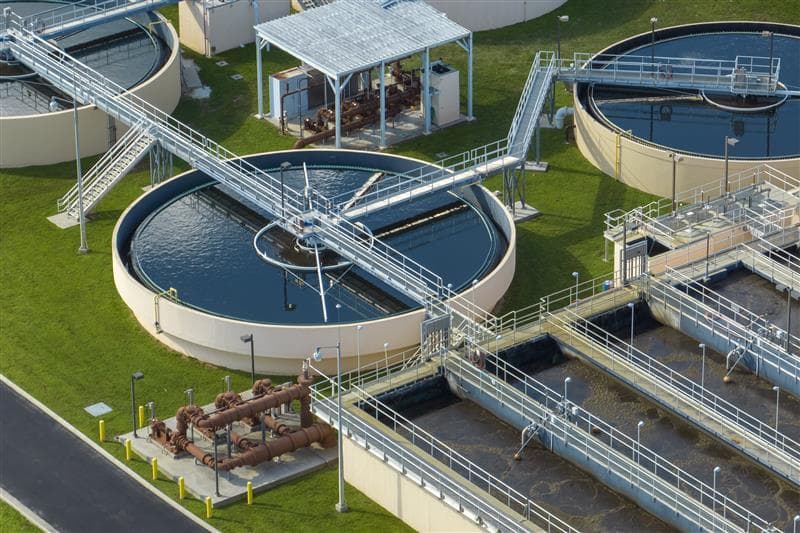
Advanced treatment units that remove persistent or toxic substances using advanced oxidation, adsorption, ion exchange and membrane filtration.
Get a quote for this system
Let us analyse your plant's water and design the right system together.