Industrial Ultrapure Water Production with Deionisation Systems
Systems that remove ions from your water to produce ultrapure water for industrial applications requiring high purity.
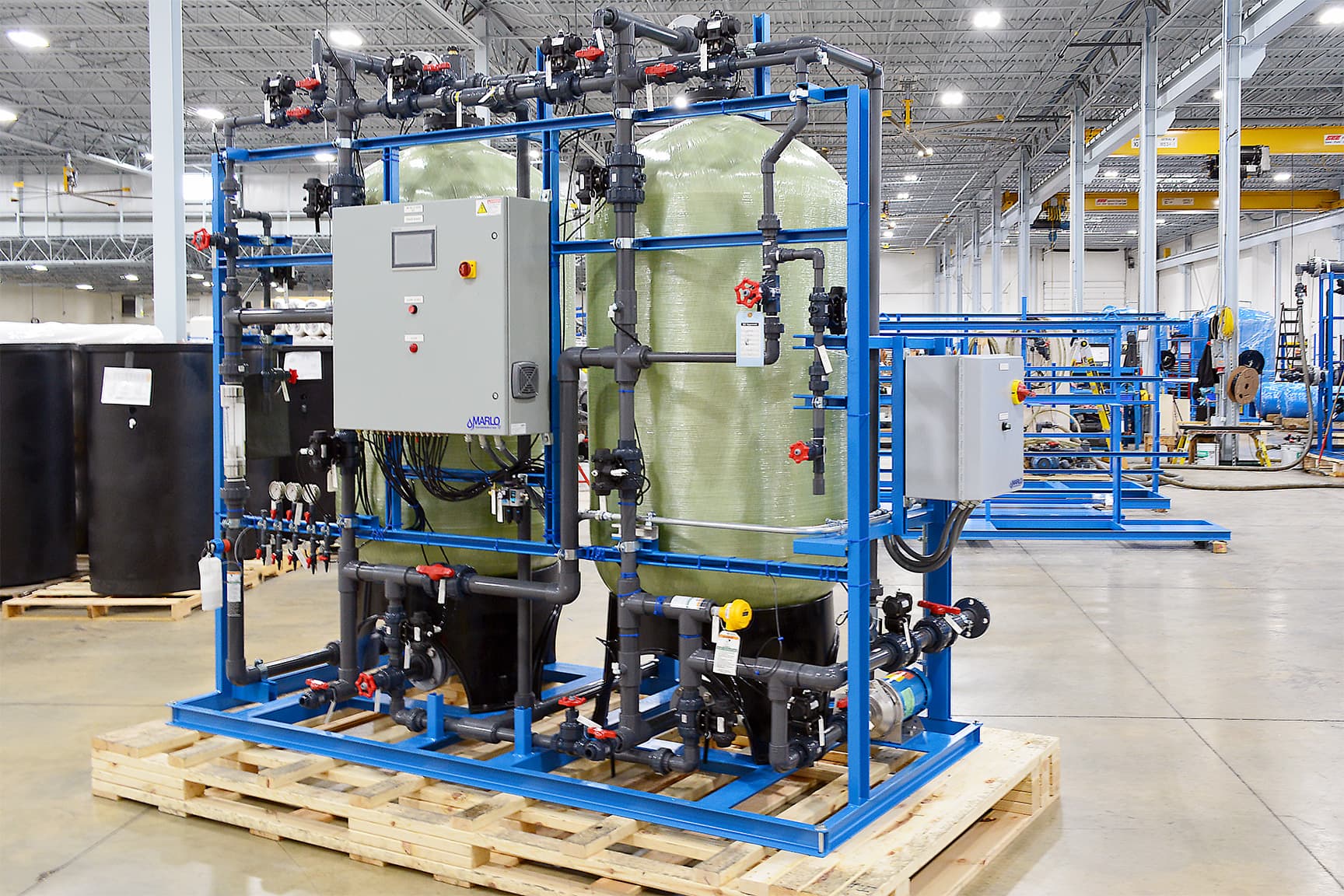
Deionisation systems are a critical technology in industrial water treatment that produces ultrapure water by removing ions from water. DI systems lower the conductivity of water through cation and anion exchangers held in a resin bed, enabling maximum efficiency in processes. With aquaDESTECH's modular designs, deionisation unit solutions tailored to your facility promise low operating costs and high performance.
Why Choose Deionisation Systems?
In industrial processes, the ion content of water directly affects equipment wear, product quality and process efficiency. Deionisation systems provide:
- Corrosion Control: Extends the life of metal equipment.
- Process Quality: Essential in semiconductor, pharmaceutical, chemical and laboratory applications.
- Energy Efficiency: Requires lower pressure than advanced membrane systems.
- Environmental Compliance: Reduces the wastewater load and easily meets discharge standards.
The technology is based on the principle of ion exchange.
What You Gain with aquaDESTECH Deionisation Systems
High-Purity Water
With 99.9% ion removal, conductivity is reduced to as low as 0.1 μS/cm.
Modular and Compact Design
Modules with capacities of 1–100 m³/h allow easy installation even on restricted sites.
Energy and Chemical Savings
Regeneration chemical quantities and energy consumption are optimised; operating costs drop by 15%.
Automatic Regeneration
PLC-controlled automation schedules resin replacement and the regeneration cycle.
Frequently Asked Questions
Deionisation systems produce ultrapure water by removing dissolved cations and anions from water through ion exchange. The process takes place in resin tanks: • The cation resin retains positively charged ions (Ca²⁺, Mg²⁺, Na⁺, etc.). • The anion resin removes negatively charged ions (Cl⁻, SO₄²⁻, NO₃⁻, etc.). The resulting water is process-grade water with low conductivity and near-zero ion content. It is used especially in sensitive applications such as pharmaceuticals, electronics, laboratories and surface treatment.
No. DI systems are not an alternative to reverse osmosis but a complement to it. Reverse osmosis removes organic and particulate contaminants, while deionisation completely removes dissolved ions. To learn more about this difference: 🔗 About Reverse Osmosis Systems The RO + DI combination in particular is the most effective way to reach 99.9% pure water.
Yes. DI systems developed by aquaDESTECH are equipped with PLC-controlled automation, SCADA integration and remote monitoring. This means: • Regeneration is scheduled automatically. • Resin saturation is monitored. • Water quality (conductivity) is kept under constant control. You can explore a similar automation approach in this article: 🔗 Air-Controlled Systems – Automatic Air Management
Deionisation systems are used with high efficiency in the following sectors: • Semiconductor and electronics manufacturing • Pharmaceuticals and biotechnology • Food production (especially sterilisation and steam generation) • Surface coating and paint plants • Industrial boiler systems Because water purity directly affects production quality in these sectors, DI systems are indispensable.
This depends on the inlet conductivity and flow of the water. On average: • Resins require regeneration according to the conductivity of the water. • In automatic systems this is done without interruption. • Resin life is 3–5 years on average. The chemicals used for regeneration are neutralised with environmentally friendly systems.
Water quality is usually measured by conductivity (µS/cm) or resistivity (MΩ·cm). DI outlet water: • Can go down to 0.1 µS/cm • Achieves 99.9% ion removal • Approaches zero conductivity after polishing in mixed-bed systems Water at this level can be used safely in many areas, from sensitive laboratory tests to industrial electronics manufacturing.
No. Maintenance is quite easy in automated systems: • Checking chemical tank levels • Sensor calibration (monthly) • Resin inspection (yearly) • SCADA alarm monitoring (real time)
Deionisation systems can remove the ionic forms of heavy metals very effectively. However, some industrial wastewaters may require additional pre-treatment or adsorption systems (e.g. activated carbon or chemical precipitation). For detailed information on heavy metal removal: 🔗 What Are Heavy Metals? Properties, Sources and Treatment Methods
Other products
View all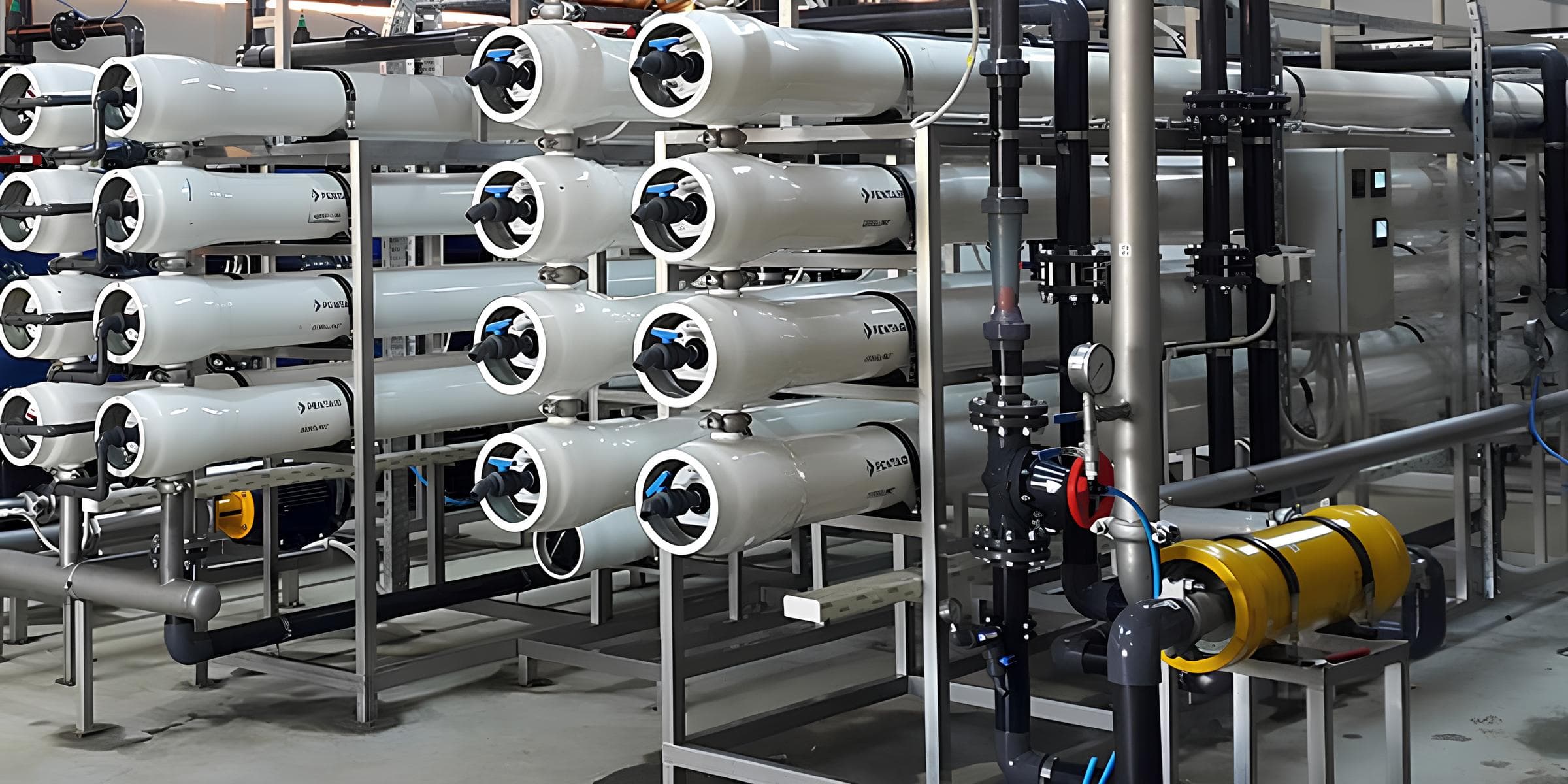
Reverse Osmosis Systems
Reverse osmosis systems in various capacities for domestic, commercial and industrial use, removing up to 99% of harmful substances from your water.
Ultrafiltration Systems
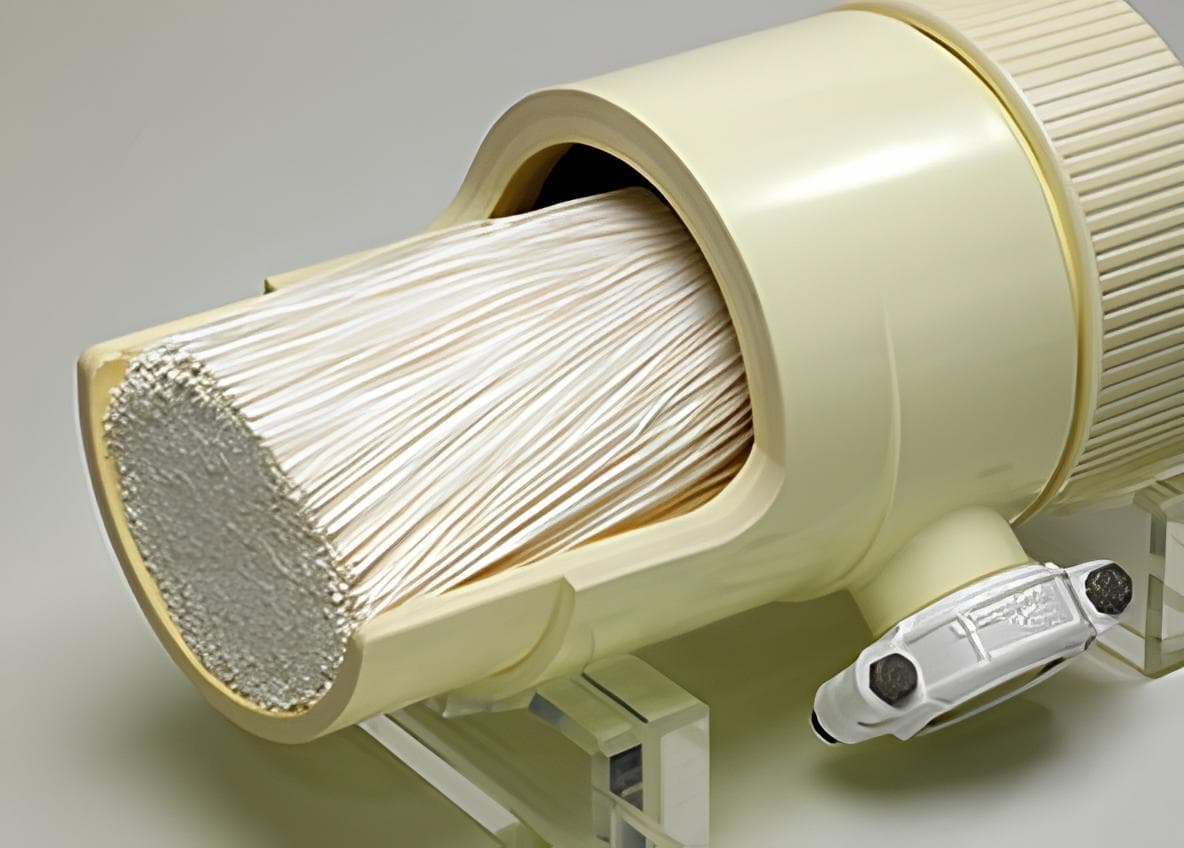
Ultrafiltration systems that remove bacteria, viruses and other microorganisms from water for safe, healthy water.
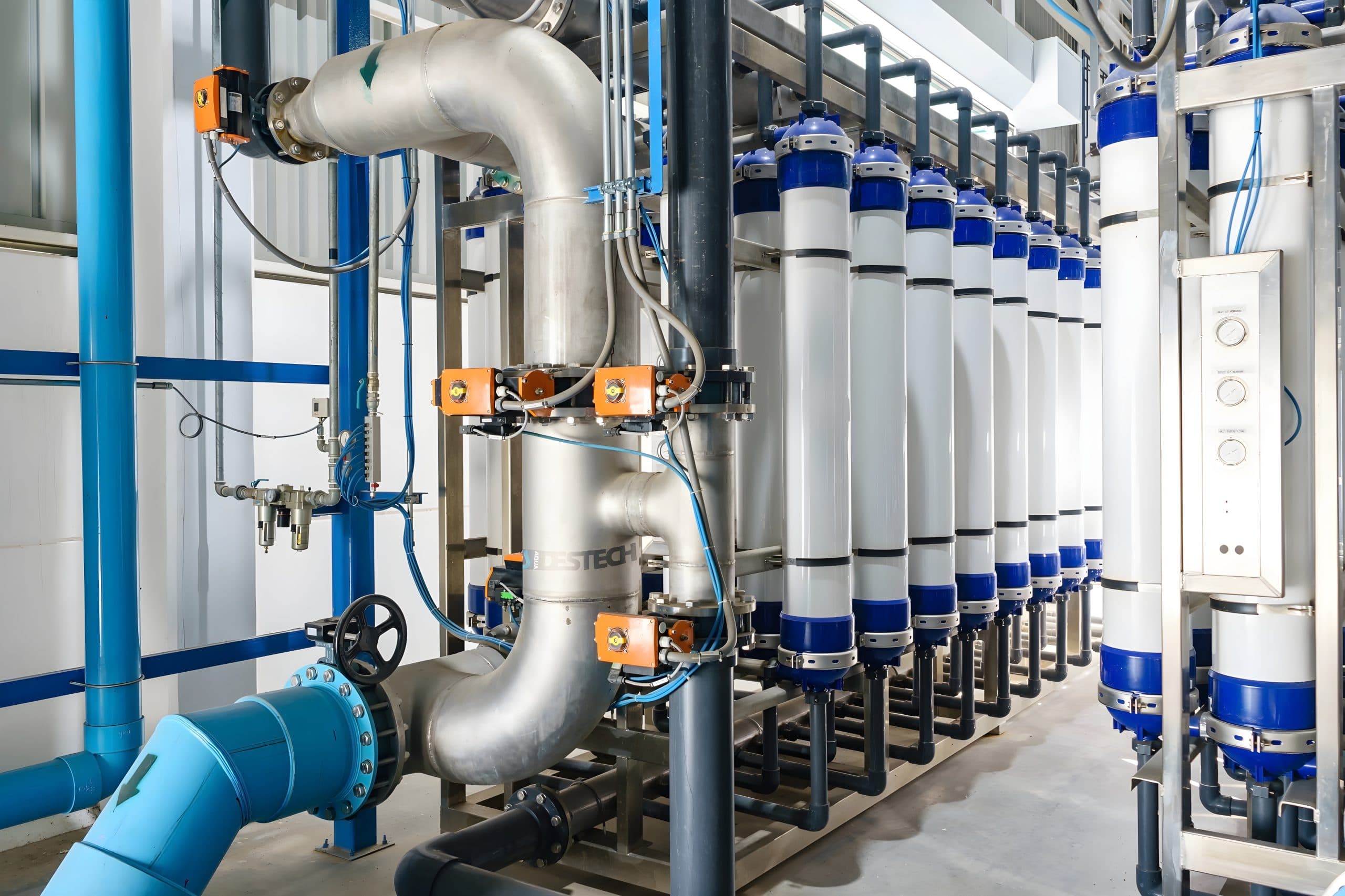
Microfiltration Systems
Microfiltration systems that remove bacteria and other microorganisms from water for safe use in your industrial applications.
Get a quote for this system
Let us analyse your plant's water and design the right system together.