
Microfiltration Systems: The Solution for Clear and Pure Liquids
Microfiltration systems that remove bacteria and other microorganisms from water for safe use in your industrial applications.
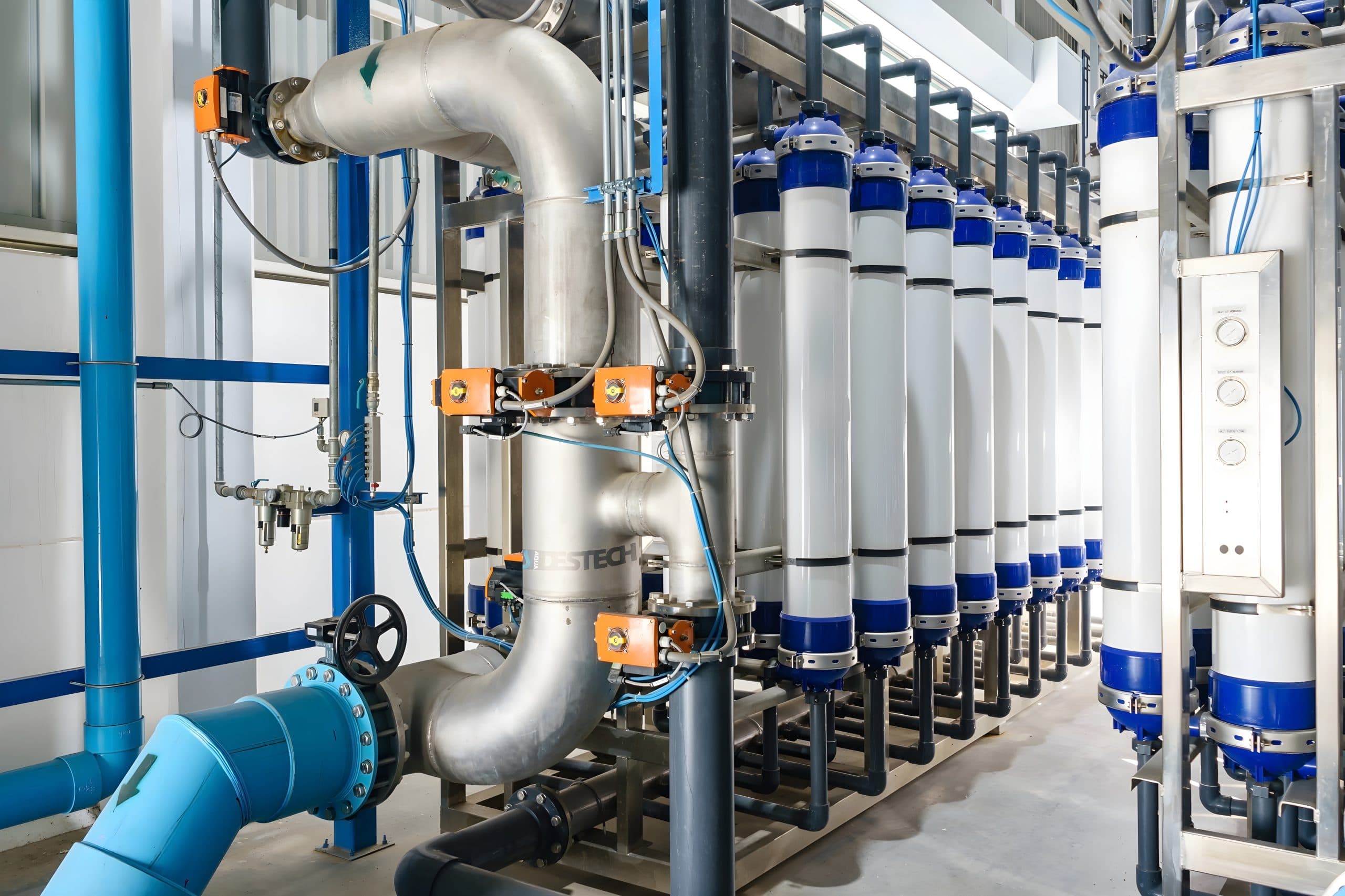
In many sectors, the purity and clarity of liquids are critical for product quality, process efficiency and safety. Microfiltration systems are an advanced separation technology that effectively removes suspended solids, sediment, bacteria and other large particles from liquids. Thanks to microfiltration technology, these systems pass liquids through a physical barrier that retains unwanted components, playing an important role in water clarification and purification. Working without chemicals or with minimal chemical use, they also offer environmentally friendly precision filtration solutions.
What Are Microfiltration Systems?
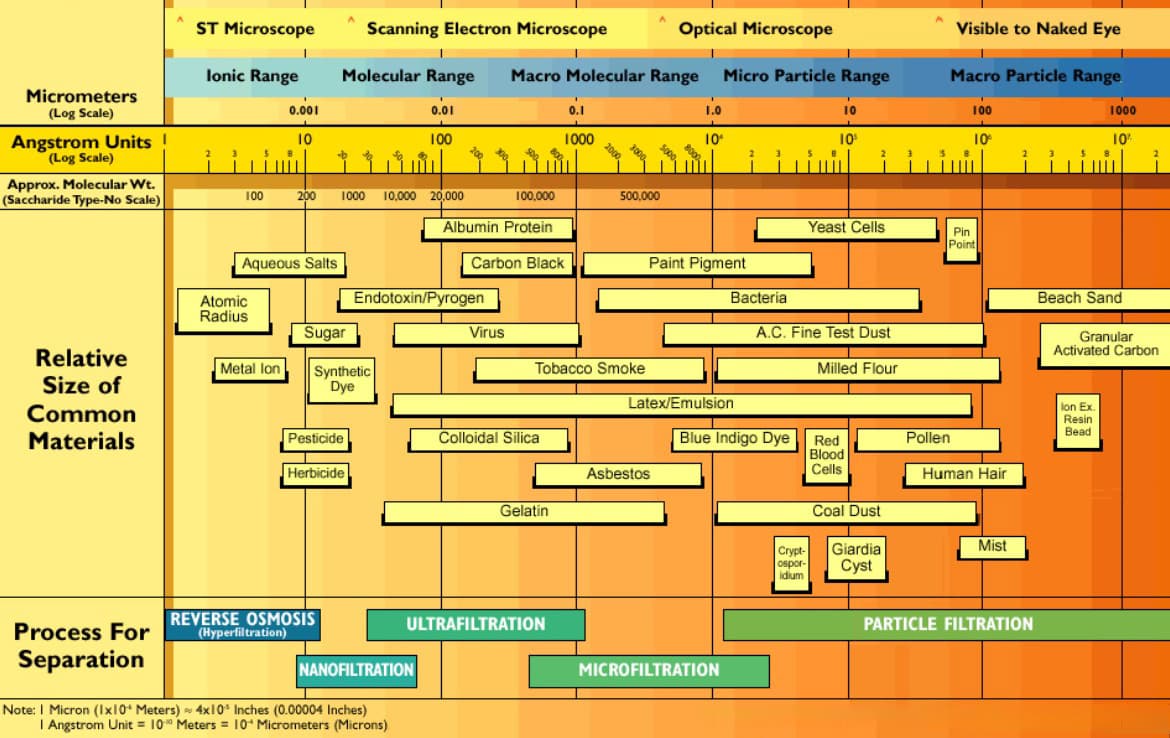
Microfiltration systems are a pressure-driven membrane process that separates particles from liquids (or sometimes gases) using semi-permeable membranes with a defined pore size (usually 0.1 to 10 microns). The technology blocks suspended solids, bacteria, yeast and mould cells and other large-molecule substances while letting dissolved salts, minerals and water pass freely. It is essentially based on the principle of particle filtration and is used to reduce the microbiological load of liquids, remove turbidity and provide pre-treatment for finer treatment processes (such as ultrafiltration or reverse osmosis).
Microfiltration membranes can be made from various materials, such as polymers (e.g. polypropylene, polyvinylidene fluoride) or ceramics, and come in different configurations (e.g. spiral-wound, hollow fibre, tubular, flat sheet). The membrane type and configuration depend on the properties of the liquid to be treated and the requirements of the application.
How Do Microfiltration Systems Work?
The operating principle of microfiltration systems is quite simple and is based essentially on a sieving mechanism:
- Feed and Pressurisation: The liquid to be treated (feed water or process liquid) is fed into the system by a pump and directed to the microfiltration membrane module. A certain pressure is applied to push the liquid through the membrane. This pressure is generally lower than in other membrane processes such as ultrafiltration or reverse osmosis .
- Separation at the Membrane Surface: When the pressurised liquid reaches the membrane surface, particles, bacteria and other suspended solids larger than the membrane pores are retained on the surface. Water and small dissolved molecules pass through the membrane to form the treated liquid, called the “permeate” or “filtrate”.
- Cross-Flow or Dead-End Filtration:
- Cross-flow filtration: The feed liquid flows parallel to the membrane surface. This flow helps reduce particle build-up (fouling) on the membrane. While the treated liquid (permeate) passes through the membrane, the stream containing the concentrated particles (retentate or concentrate) is removed separately. This method is better suited to liquids with a high solids content and gives longer membrane life.
- Dead-end filtration: All of the feed liquid flows perpendicular to the membrane surface and passes through it. Retained particles form a cake layer on the membrane. This method is generally used for low-concentration liquids or at laboratory scale and requires periodic backwashing or membrane replacement.
- Backwashing and Cleaning: Over time, particles accumulating on the membrane surface can block the flow and reduce system efficiency. For this reason, periodic backwashing is applied, especially in cross-flow systems. Backwashing means feeding part of the permeate back through the membrane in the opposite direction to remove the accumulated particles. Heavier fouling may require chemical cleaning (CIP – cleaning in place).
Thanks to this operating principle, microfiltration technology clarifies and purifies liquids effectively.
Advantages of Microfiltration Systems
Using microfiltration systems offers many important benefits:
- Effective Removal of Particles and Microorganisms: Removes suspended solids, turbidity, bacteria, yeasts and moulds with high efficiency.
- Low Operating Pressure: Operates at lower pressures than other pressure-driven membrane processes (UF, NF, RO), which helps keep energy costs down.
- Chemical-Free or Low-Chemical Operation: Because the separation principle is physical, it usually needs no chemical additives, or only very small amounts.
- Enhanced Pre-treatment: Prevents fouling of finer membranes (such as UF and RO), improving their performance and extending their life.
- Higher Product Quality: Improves the clarity, stability and microbiological safety of products, especially in the food and beverage sector.
- Compact Design: Takes up less space than conventional filtration methods (sand filters, etc.).
- Suitable for Automation: Modern microfiltration systems can run fully automatically and require minimal operator intervention.
Key Features of Microfiltration (MF) Systems
Feature | Description | Typical Values/Ranges |
|---|---|---|
Membrane Pore Size | Nominal or absolute pore diameter at which particles are retained. | 0.1 µm – 10 µm |
Operating Pressure | Pressure required to drive flow through the membrane. | 0.1 – 2 bar (1.5 – 30 psi) |
Retained Substances | Components larger than the membrane pores. | Suspended solids, turbidity, bacteria, yeast, mould, algae, some large colloids |
Passing Substances | Dissolved components smaller than the membrane pores. | Water, dissolved salts, sugars, low-molecular-weight organic matter |
Membrane Materials | Chemical composition of the membrane. | Polypropylene (PP), polysulfone (PSU), polyethersulfone (PES), polyvinylidene fluoride (PVDF), ceramics |
Module Types | Physical structure in which the membranes are housed. | Hollow fibre, spiral-wound, tubular, plate-and-frame, ceramic monoliths |
Flow Configuration | How the feed liquid flows relative to the membrane surface. | Cross-flow, dead-end |
Common Applications of Microfiltration and Their Benefits
Application Area | Specific Use | Key Benefit |
|---|---|---|
Water Treatment | Surface water clarification | Removal of turbidity and suspended solids, reduction of microbiological load |
RO/UF pre-treatment | Prevents fouling of finer membranes, increases operating efficiency | |
Food and Beverage | Clarification of fruit juice, wine and beer | Product clarity and stability, preservation of taste and aroma, reduced microbial load |
Milk and whey processing | Bacteria removal, protein fractionation (in some applications) | |
Pharmaceuticals & Biotechnology | Sterile filtration, cell harvesting | Particle- and microbe-free product, product purity |
Chemical Industry | Purification of process liquids | Removal of unwanted particles, higher product quality |
Wastewater Treatment | Solid-liquid separation in MBRs, tertiary treatment | High-quality treated water, compliance with discharge standards |
Other products
View all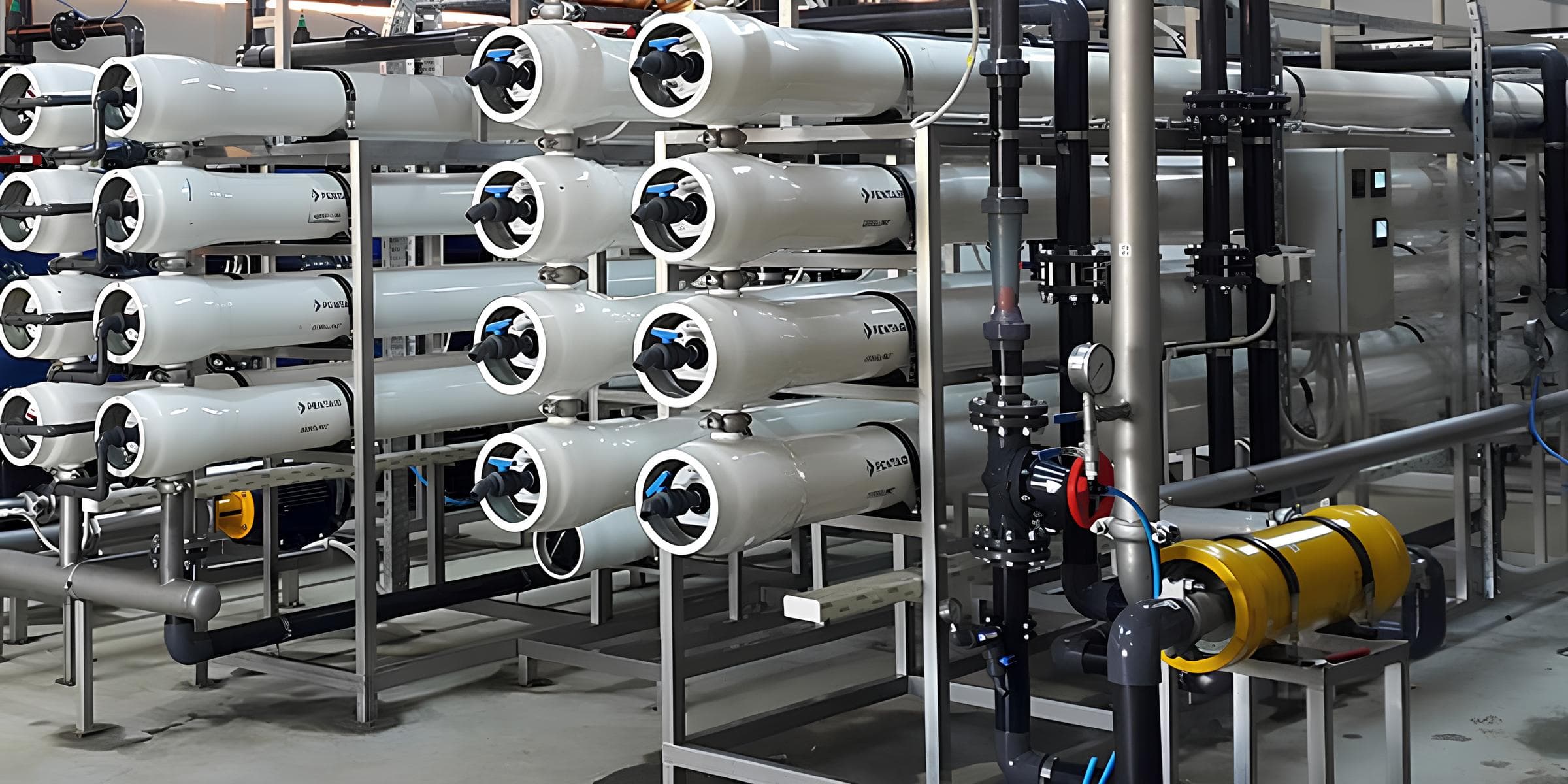
Reverse Osmosis Systems
Reverse osmosis systems in various capacities for domestic, commercial and industrial use, removing up to 99% of harmful substances from your water.
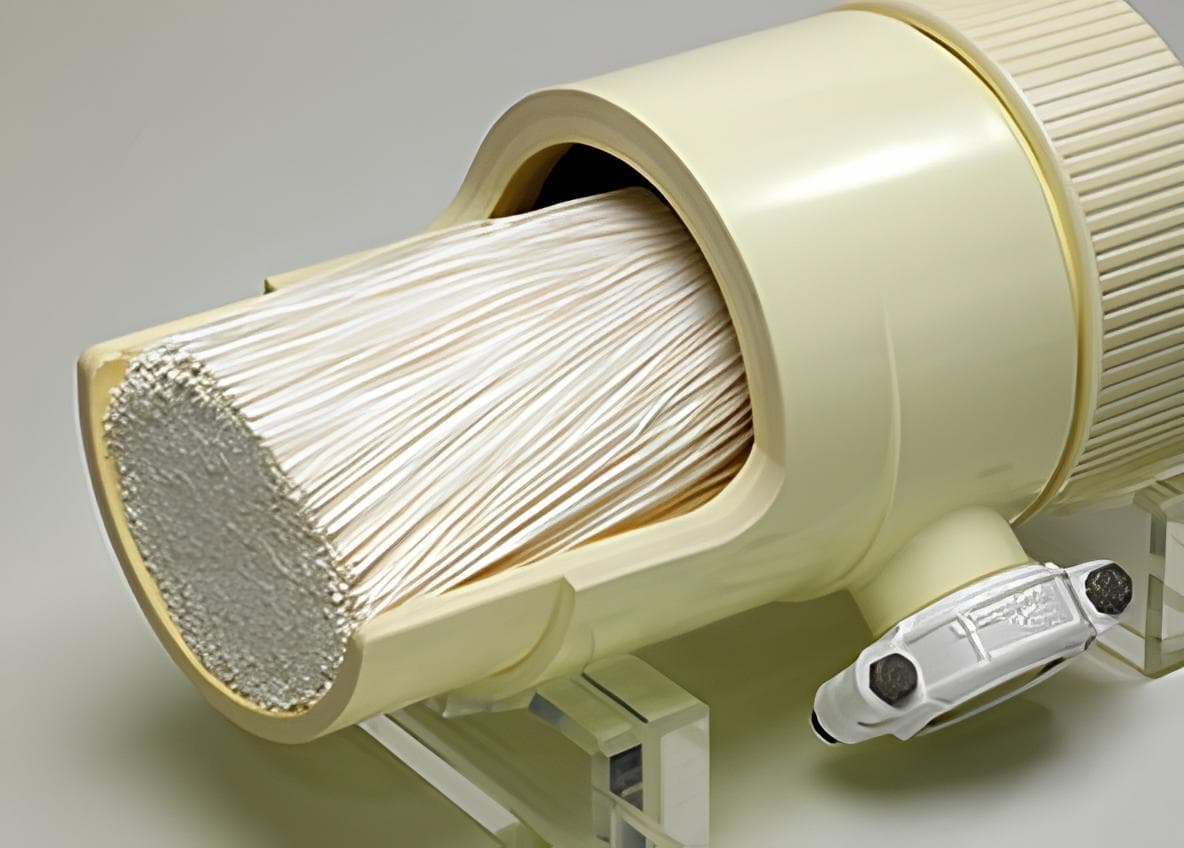
Ultrafiltration Systems
Ultrafiltration systems that remove bacteria, viruses and other microorganisms from water for safe, healthy water.
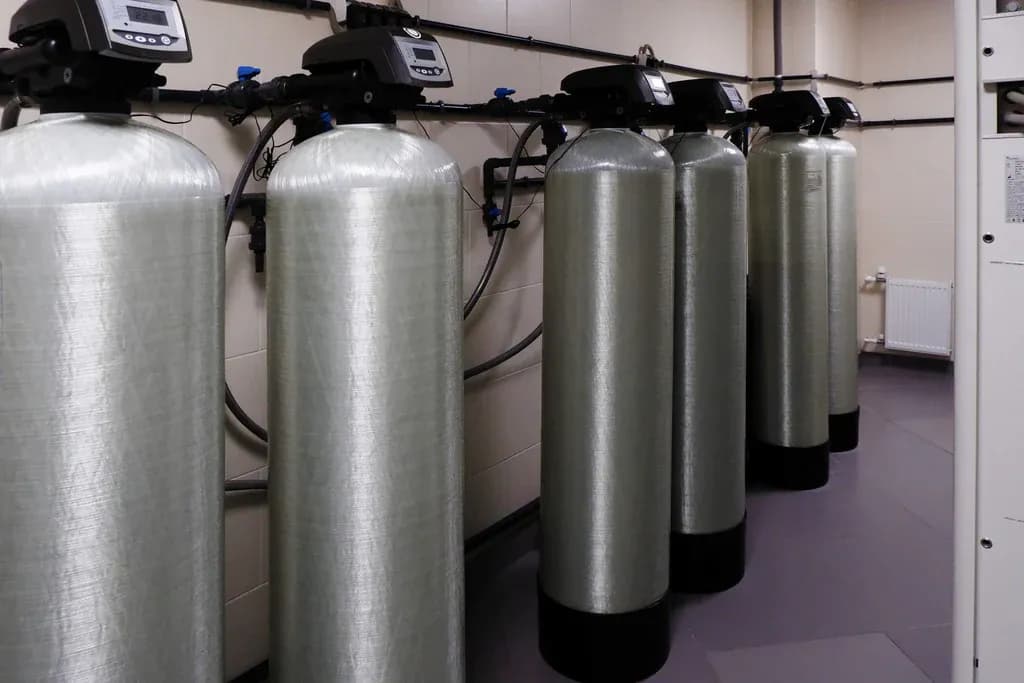
Water Softening Systems
Softening systems that reduce hardness (calcium and magnesium) in your water and extend the life of your installation.
Get a quote for this system
Let us analyse your plant's water and design the right system together.