Membrane Systems
Membrane technologies that separate unwanted substances from water, supporting process efficiency and final product reliability.
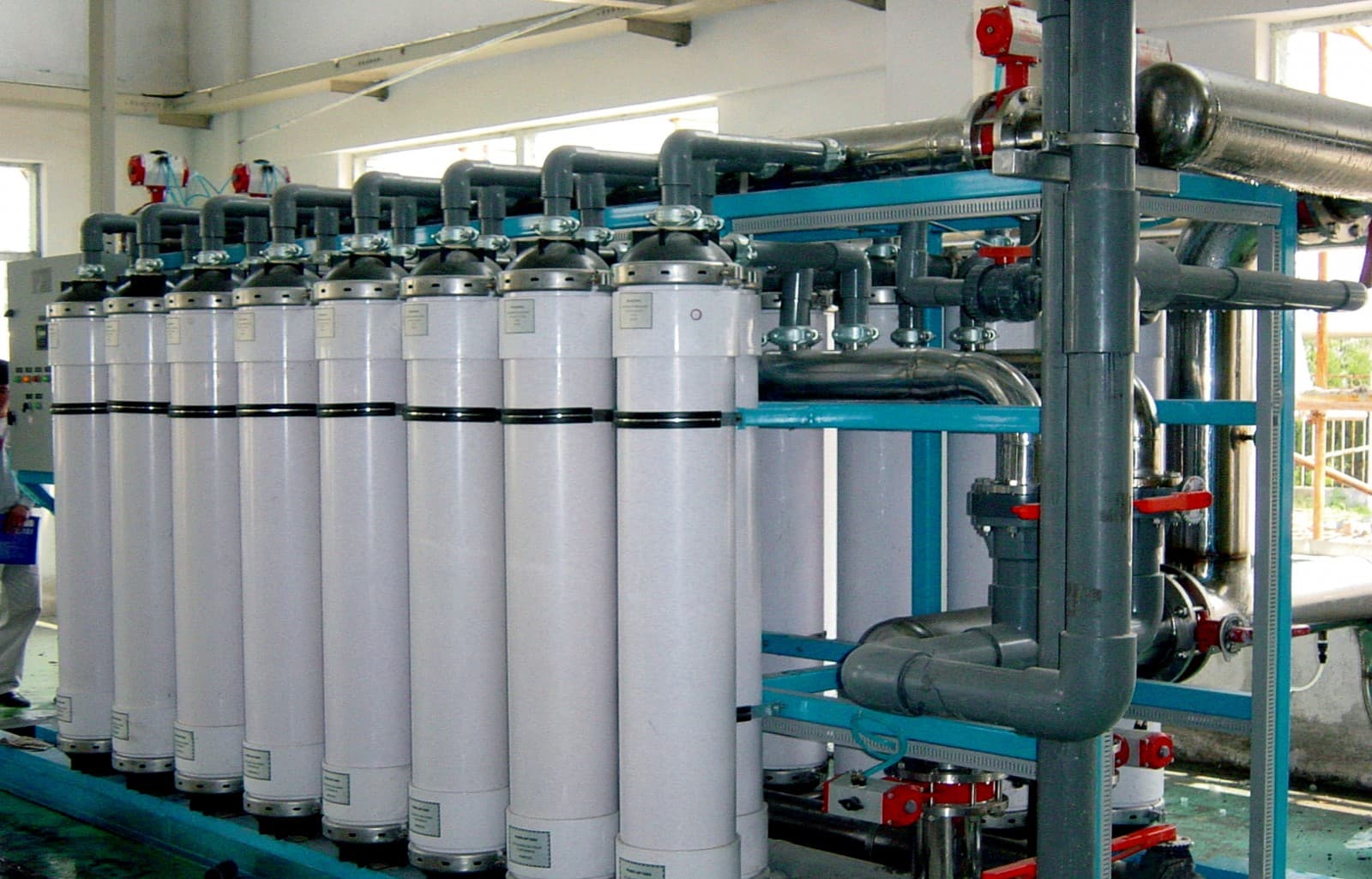
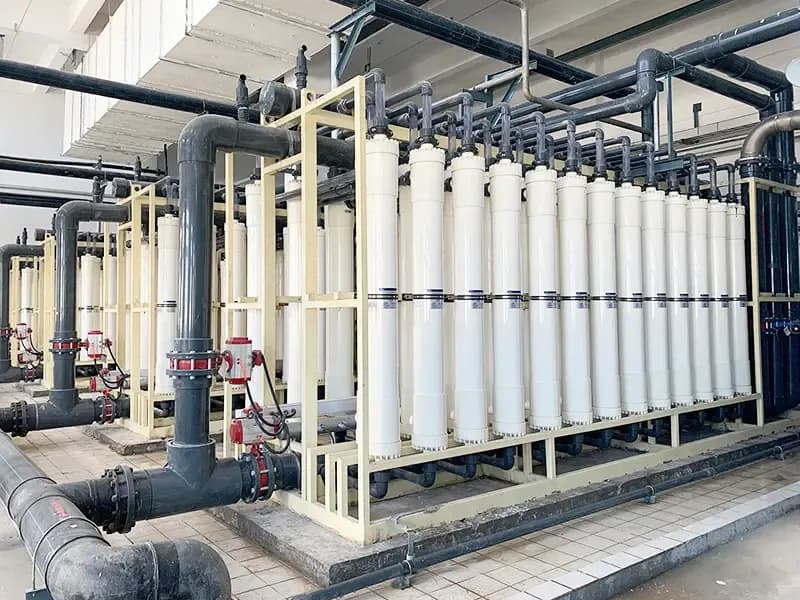
In today's industrial world, water is a vital resource, and its quality directly affects every stage, from the efficiency of production processes to the reliability of the final product. Membrane systems are advanced technologies that purify water of unwanted particles, microorganisms, salts and other contaminants so that businesses obtain the high-purity water they need. Using water treatment membrane technologies, these systems rely on selective separation through a physical barrier and offer environmentally friendly solutions by minimising chemical use.
In this comprehensive article we take an in-depth look at what industrial membrane systems are, how the different membrane types (reverse osmosis, ultrafiltration, nanofiltration, microfiltration) work, their wide range of industrial applications and the many benefits they bring to your business. We also share valuable information on choosing the right membrane technology and maximising system efficiency.
What Are Membrane Systems?
Membrane systems are advanced filtration units that use a semi-permeable membrane to separate specific components in water or other liquids. The membrane lets substances of a certain size or chemical structure pass while retaining others, providing effective separation. The technology can remove a wide range of contaminants, from suspended solids to dissolved salts, from bacteria and viruses to organic molecules. Basically, membrane filtration solutions work on the principle of pressure difference: water is applied to the membrane surface under pressure, and purified water (permeate) passes to the other side while the concentrated waste (retentate or concentrate) stays behind.
Thanks to their modular design, these systems can be scaled to different capacities and applications. The main membrane processes are reverse osmosis (RO), nanofiltration (NF), ultrafiltration (UF) and microfiltration (MF). Each process performs specific separation tasks using membranes with different pore sizes.
Types of Membrane Technology and How They Work
The membrane technologies most widely used in industry are classified by pore size and separation capacity:
- Microfiltration (MF):
- Pore size: Approximately 0.1 – 10 microns (µm).
- Operating principle: The membrane type with the largest pore diameter. It retains suspended solids, turbidity and larger microorganisms such as bacteria and protozoa.
- Applications: Generally used for pre-treatment (e.g. ahead of reverse osmosis), water clarification, wastewater treatment and sterile filtration of liquids in the food industry.
- Ultrafiltration (UF):
- Pore size: Approximately 0.001 – 0.1 microns (µm).
- Operating principle: Has smaller pores than MF. In addition to bacteria, it effectively removes viruses, colloids, proteins and other macromolecules. It lets salts and low-molecular-weight organics pass.
- Applications: Used in drinking water treatment, as excellent pre-treatment for reverse osmosis systems, in wastewater recovery, the food and dairy industries, the pharmaceutical industry and protein concentration. Ultrafiltration systems are especially effective in treating surface water and removing water-borne pathogens.
- Nanofiltration (NF):
- Pore size: Around 0.001 micron (1 nanometre).
- Operating principle: Its separation capacity lies between UF and RO. It retains multivalent ions (e.g. calcium and magnesium – the hardness minerals) and larger monovalent ions while letting some small monovalent ions (e.g. sodium, chloride) pass. It is also effective in removing colour, pesticides and organic matter.
- Applications: Preferred for water softening, colour removal, pesticide removal, wastewater treatment and certain industrial separation processes.
- Reverse Osmosis (RO):
- Pore size: Has the smallest pores (approximately 0.0001 micron).
- Operating principle: By applying high pressure to one side of a semi-permeable membrane, it lets water molecules pass while retaining almost all (95–99%+) of the dissolved salts, minerals, heavy metals, organics and other contaminants. (It is highly successful in removing contaminants such as those described in What Are Heavy Metals? Properties, Sources and Treatment Methods.)
- Applications: Used where very precise water quality is required, such as seawater and brackish water desalination, production of high-purity industrial process water, drinking water production, boiler feed water preparation and the pharmaceutical and electronics industries. Reverse osmosis systems are among the most advanced water purification technologies available today.
These different water treatment membrane technologies can be used on their own or in complementary combinations to meet specific water quality targets.
Advantages of Membrane Systems
Using industrial membrane systems in your business has countless benefits:
- High Water Quality: Effectively removes a wide range of contaminants, from suspended solids to dissolved ions, giving you extremely pure water suited to your process or product.
- Low Operating Costs: Especially thanks to energy-efficient membranes and automation systems, they can offer lower chemical and energy consumption than conventional treatment methods.
- Environmentally Friendly: Reduces or eliminates chemical use, produces less sludge and enables water recovery, helping to conserve water resources.
- Modular and Flexible Design: Compact, modular structures that adapt easily to different capacity and space requirements.
- Continuous and Reliable Operation: Thanks to automatic control and monitoring systems, they can run continuously and reliably with minimal operator intervention.
- Space Savings: They generally take up less space than conventional treatment plants.
- Selective Separation: Makes it possible to target specific molecules or ions, enabling the recovery of valuable substances or the removal of unwanted ones.
Maintenance and Efficiency in Membrane Systems
For industrial membrane systems to run efficiently over a long life, regular maintenance and correct operating practices are critical.
- Pre-treatment: A suitable pre-treatment system (e.g. sediment filters, activated carbon filters, UF) is essential to prevent membrane fouling and damage.
- Cleaning (CIP – Cleaning In Place): Over time, contaminants that accumulate on the membrane surface reduce performance. Cleaning in place (CIP) with suitable chemicals should be carried out periodically or when a drop in performance is observed.
- Monitoring and Control: Regular monitoring of parameters such as flow rate, pressure and water quality (conductivity, pH, turbidity, etc.) allows early detection of potential problems.
- Membrane Replacement: All membranes have a limited life. They must be replaced when their performance falls below an acceptable level or when they are damaged.
- Correct Operating Conditions: Staying within the manufacturer's pressure, temperature, pH and flow limits extends membrane life.
Comparison of Different Membrane Technologies
Feature | Microfiltration (MF) | Ultrafiltration (UF) | Nanofiltration (NF) | Reverse Osmosis (RO) |
|---|---|---|---|---|
Pore Size (µm) | 0.1 – 10 | 0.001 – 0.1 | ~0.001 | ~0.0001 |
Operating Pressure (bar) | 0.1 – 2 | 1 – 10 | 5 – 20 | 10 – 70 (higher for seawater) |
Main Removal | Suspended solids, bacteria, protozoa | Viruses, colloids, macromolecules, endotoxins | Multivalent ions (hardness), colour, pesticides, some monovalent ions | Most dissolved salts, minerals, heavy metals, most organics |
Typical Applications | Pre-treatment, water clarification, sterile filtration | RO pre-treatment, surface water treatment, wastewater recovery, protein separation | Water softening, colour removal, partial desalination, organic matter removal | Desalination, ultrapure water production, boiler feed water, drinking water purification |
Residual Salt Passage | High | High | Medium | Very low |
Membrane System Applications in Selected Industries
Industry | Application | Membrane Technology Typically Used | Benefit |
|---|---|---|---|
Food and Beverage | Fruit juice clarification | UF, MF | Higher product quality, longer shelf life |
Milk standardisation, whey processing | UF, NF, RO | Recovery of valuable components (protein, lactose), reduced waste load | |
Pharmaceuticals | Water for injection (WFI) production | RO, EDI (electrodeionisation) + UF (final) | High-purity, pyrogen-free water, regulatory compliance |
API purification | NF, UF | Higher product purity, efficiency | |
Energy | Boiler feed water demineralisation | RO, EDI | Prevention of scale and corrosion in boilers, energy efficiency |
Cooling water production from seawater | RO | Reduced dependence on freshwater resources | |
Wastewater Recovery | Making industrial wastewater reusable | MBR (membrane bioreactor), UF, RO | Lower water costs, reduced environmental impact |
Electronics | Ultrapure water (UPW) production | RO, EDI, UF (final) | Water of critical purity for semiconductor manufacturing, product quality |
Other products
View all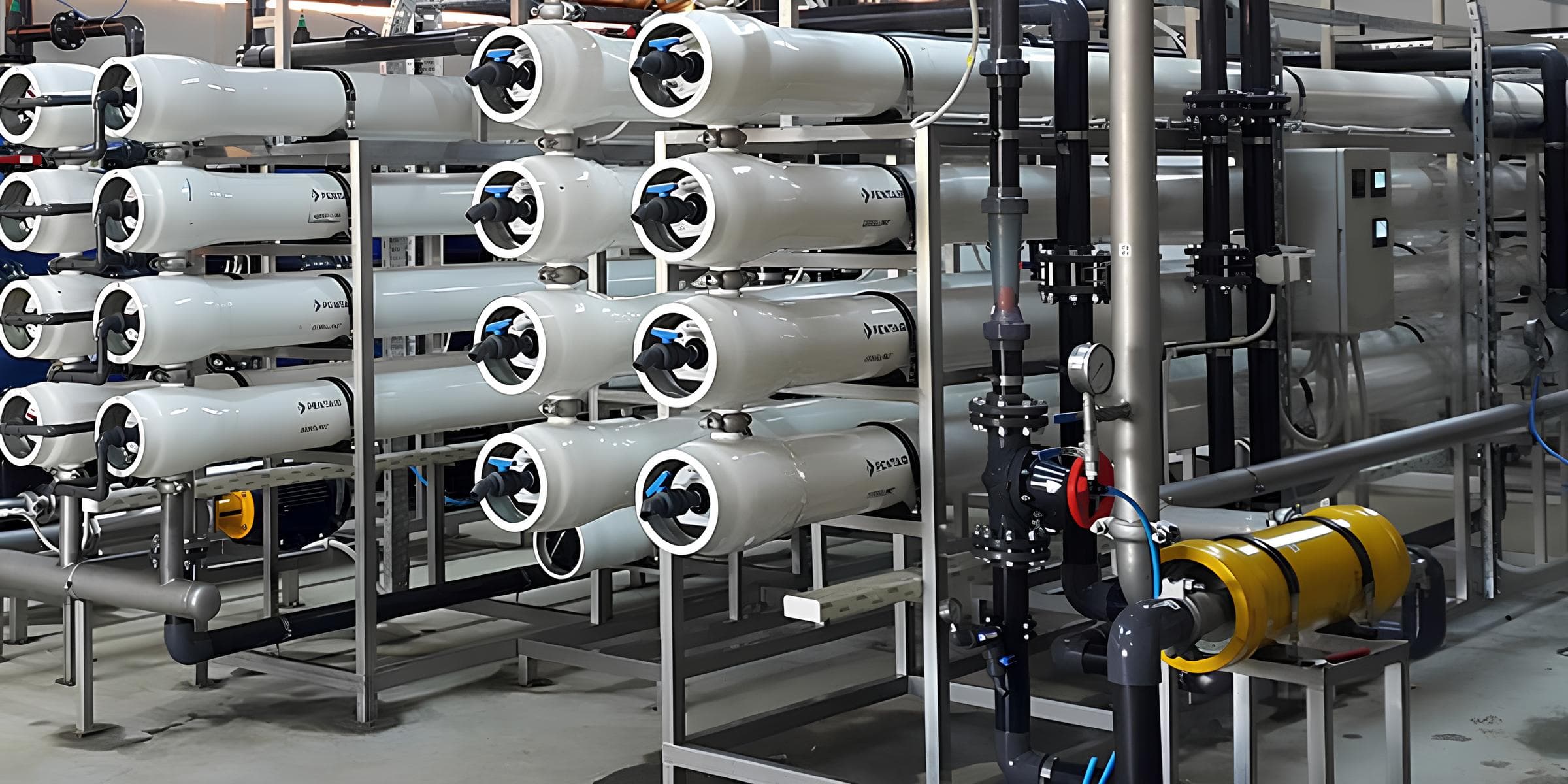
Reverse Osmosis Systems
Reverse osmosis systems in various capacities for domestic, commercial and industrial use, removing up to 99% of harmful substances from your water.
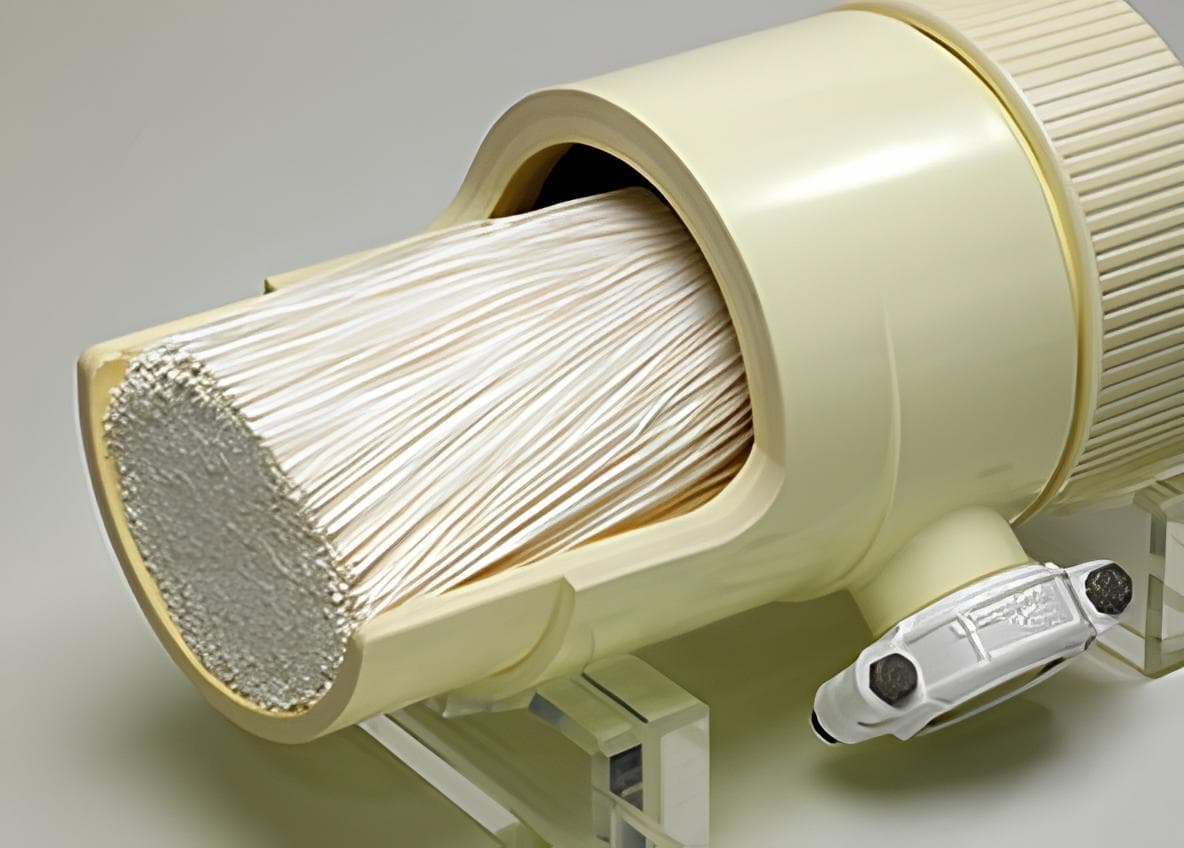
Ultrafiltration Systems
Ultrafiltration systems that remove bacteria, viruses and other microorganisms from water for safe, healthy water.
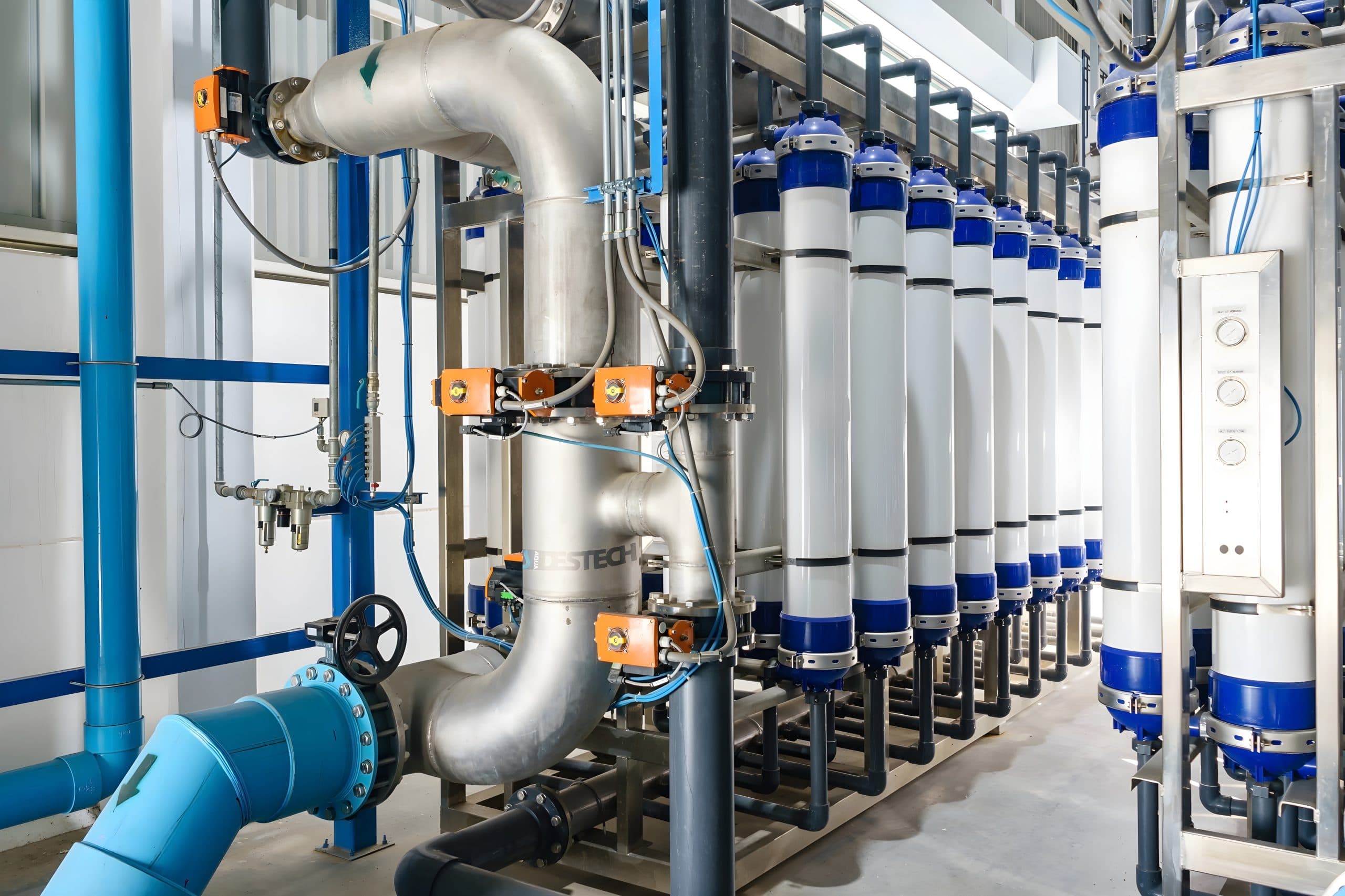
Microfiltration Systems
Microfiltration systems that remove bacteria and other microorganisms from water for safe use in your industrial applications.
Get a quote for this system
Let us analyse your plant's water and design the right system together.