
aquaDESTECH Softening Systems: Scale-Free Water, Trouble-Free Operation
Softening systems that reduce hardness (calcium and magnesium) in your water and extend the life of your installation.
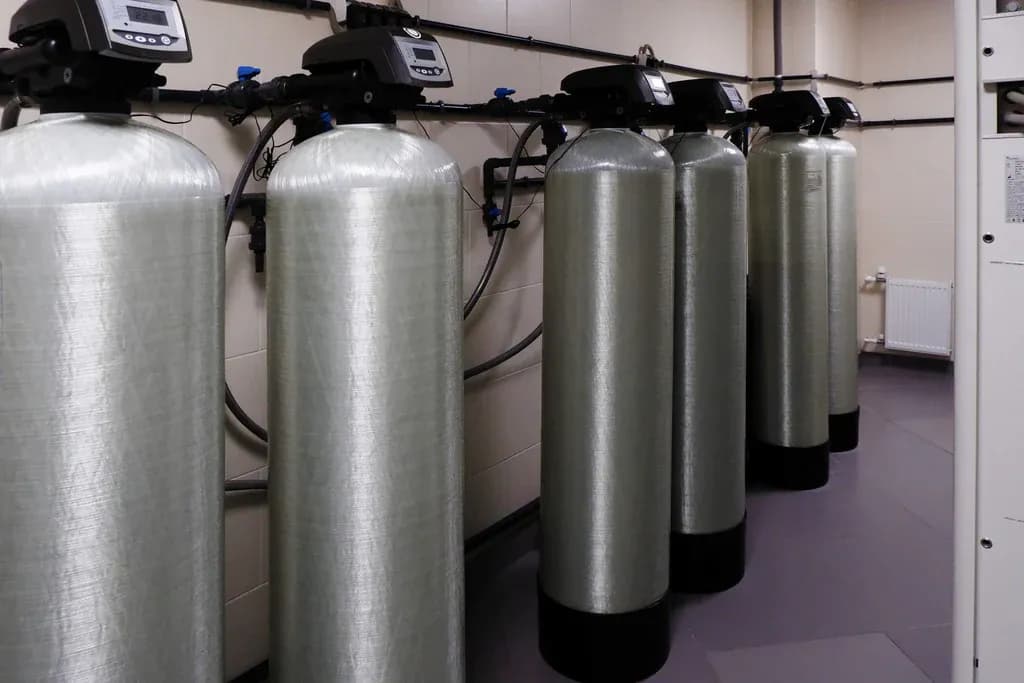
In industrial facilities, process water quality is critical for both equipment life and product quality. Water with high hardness (limescale) forms deposits in boilers, cooling towers, heating systems and process equipment, causing loss of efficiency, higher energy consumption and breakdowns. aquaDESTECH softening systems remove the calcium (Ca²⁺) and magnesium (Mg²⁺) ions that cause water hardness using the ion exchange principle, protecting both your equipment and your processes.
At the heart of softening systems lies the exchange of hardness ions in raw water for sodium ions as the water passes through a resin bed. Once saturated, the resin is regenerated with brine and can be used again. In this way the total hardness of the water is kept under control and the water can be used safely in processes. With automatic valves and PLC-based automation options, softening systems require minimal human intervention and lower operating costs.
Softening systems are widely used, especially in power plants and in the textile, food, chemical and pharmaceutical industries. Keeping water hardness under control is essential to extend the life of your boilers and heating systems, reduce maintenance costs and guarantee product quality. In many industrial facilities in Türkiye, maintenance costs caused by limescale and deposits can far exceed the investment cost of a softening system. Our softening solutions also support sustainability and regulatory compliance.
With the high-capacity resins and smart automation systems we use, process water is always kept at the target quality. The capacity of the softening system is designed specifically according to water hardness, flow rate and the needs of the facility. Energy, water and chemical consumption are minimised, delivering low operating costs in the long term. When integrated with advanced treatment units , you can achieve the highest quality in your process.
For more information or a site survey, you can reach us via our contact page. Get free consultancy from our experienced engineers on solutions tailored to your facility.
Softening System Components and Features
Component | Function | Description |
|---|---|---|
Resin Tank | Ion exchange | Replaces calcium and magnesium with sodium. |
Brine Tank | Regeneration solution | Cleans the saturated resin. |
Automatic Control Valve | Process management | Automatically manages service, regeneration and rinsing cycles. |
PLC Automation System | Monitoring and control | Provides remote monitoring of operating parameters and data logging. |
Flow Meter and Sensors | Monitoring | Ensures efficient operation by measuring flow and hardness. |
Design and Operating Parameters of Softening Systems
Parameter | Typical Values | Description |
|---|---|---|
Inlet Hardness | 15–50 °f | Varies with the water source. |
Outlet Hardness | < 0.5 °f | Target hardness after softening. |
Regeneration Frequency | 1–3 days | Set according to water flow and hardness. |
Salt Consumption | 100–150 g per litre of resin | Average salt consumption per regeneration. |
Operating Pressure | 2–6 bar | Standard industrial operating range. |
Why aquaDESTECH Softening Systems?
Uninterrupted Process
Safe, uninterrupted water supply 24/7 thanks to automatic regeneration.
Energy and Chemical Savings
Lower energy consumption and minimal chemical requirements.
User-Friendly Automation
Easy operation with fully automatic, remote monitoring and control options.
Regulatory Compliance
Full compliance with legal standards and environmental responsibility.
Frequently Asked Questions
A softening system is a treatment system that removes the calcium and magnesium ions responsible for hardness by ion exchange. Raw water passes through the resin tank and the hardness ions are exchanged for sodium ions. When the resin becomes saturated, it is regenerated with brine and returns to its original efficiency.
In industrial processes and heating systems, water hardness causes limescale, blockages in pipes and equipment, higher energy consumption and premature equipment failure. A softening system prevents these problems and increases system life and process efficiency.
Softening systems are widely used in boiler feed water and cooling tower water, and in sectors such as textiles, food, chemicals, energy and pharmaceuticals. They are also chosen in drinking water applications to meet certain hardness limits.
Resin is a special polymer in the form of microscopic beads that performs ion exchange. With an average service life of 5–7 years, resins are periodically renewed depending on water quality and operating conditions.
Automatic systems manage regeneration and service steps on their own based on time, flow or hardness measurements. In manual systems, the operator has to start every step by hand. Automatic systems reduce labour and the risk of error.
With a good-quality softening system, outlet hardness is usually reduced to below 0.5 °f. This value is ideal for industrial use and boiler feed water.
Regeneration is the process, carried out with brine (sodium chloride solution) when the resin is saturated, that restores the resin's ion exchange capacity. Its frequency depends on water hardness and flow; it is usually carried out every 1–3 days.
Salt is needed to reactivate the resin during regeneration. Sodium chloride flushes the hardness ions from the resin and reloads it with sodium ions.
Main equipment: resin tank, brine tank, automatic valves, control panel (PLC), flow meter and, where necessary, a bypass line.
With automatic valves and PLC systems, regeneration can be triggered by flow, time or outlet hardness. Automation simplifies operation and reduces human error.
Resin capacity and tank volume are determined by engineering calculations based on raw water hardness, daily water consumption (flow) and target outlet hardness.
Salt level, the condition of the resin bed and the automatic valves should be checked periodically. The resin should be backwashed periodically against clogging and fouling.
It leads to problems such as limescale, reduced pipe diameters, inefficient heat transfer, equipment failures and higher energy costs.
Yes, they can be integrated in particular with activated carbon filters, reverse osmosis and ultrafiltration systems. This combination provides both chemical and physical treatment of your water.
It is generally used for domestic and industrial purposes; for drinking water, additional treatment and hygiene checks may be required.
Other products
View all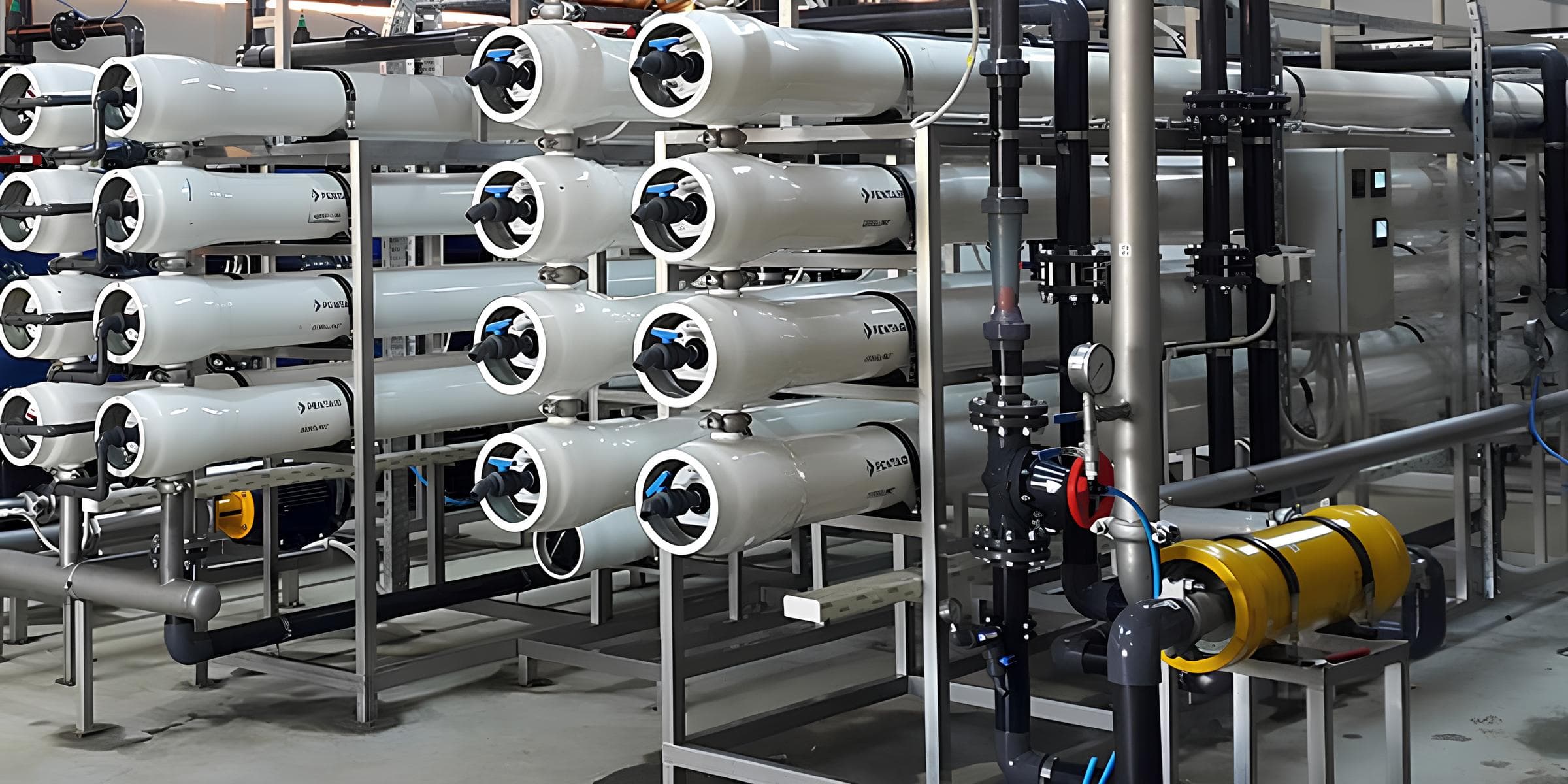
Reverse Osmosis Systems
Reverse osmosis systems in various capacities for domestic, commercial and industrial use, removing up to 99% of harmful substances from your water.
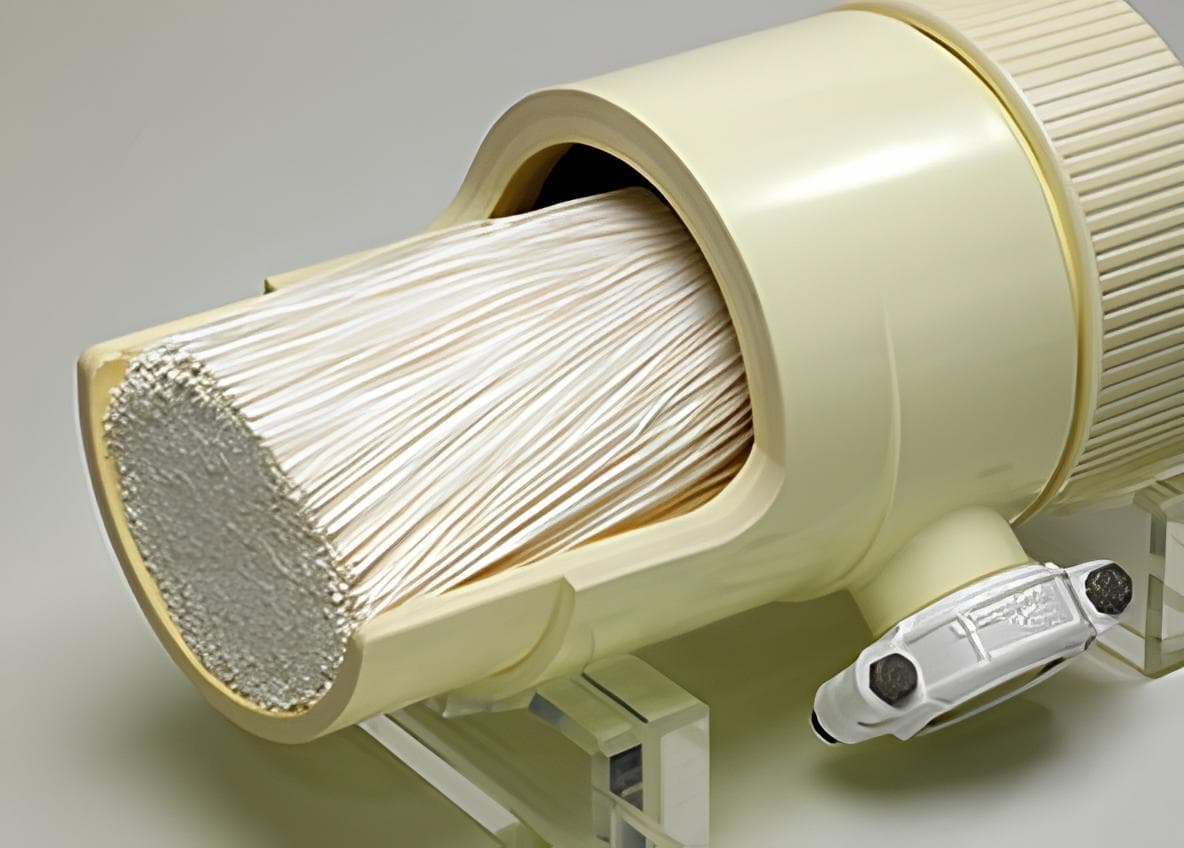
Ultrafiltration Systems
Ultrafiltration systems that remove bacteria, viruses and other microorganisms from water for safe, healthy water.
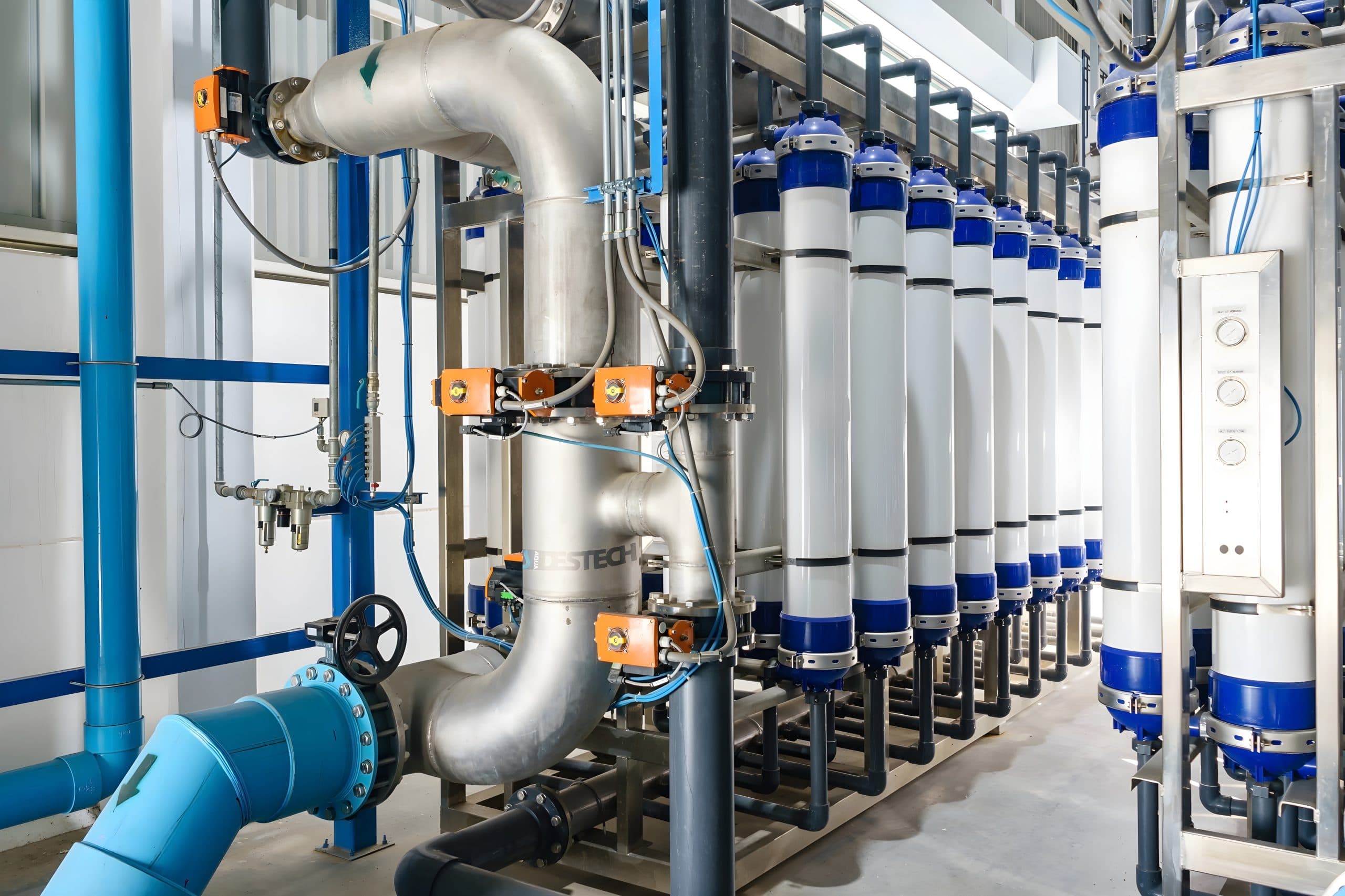
Microfiltration Systems
Microfiltration systems that remove bacteria and other microorganisms from water for safe use in your industrial applications.
Get a quote for this system
Let us analyse your plant's water and design the right system together.