
Packaged Domestic Wastewater Treatment Systems: Compact and Efficient Solutions for Settlements and Businesses
Compact, reliable packaged treatment systems that treat domestic wastewater sustainably and without harming the environment.
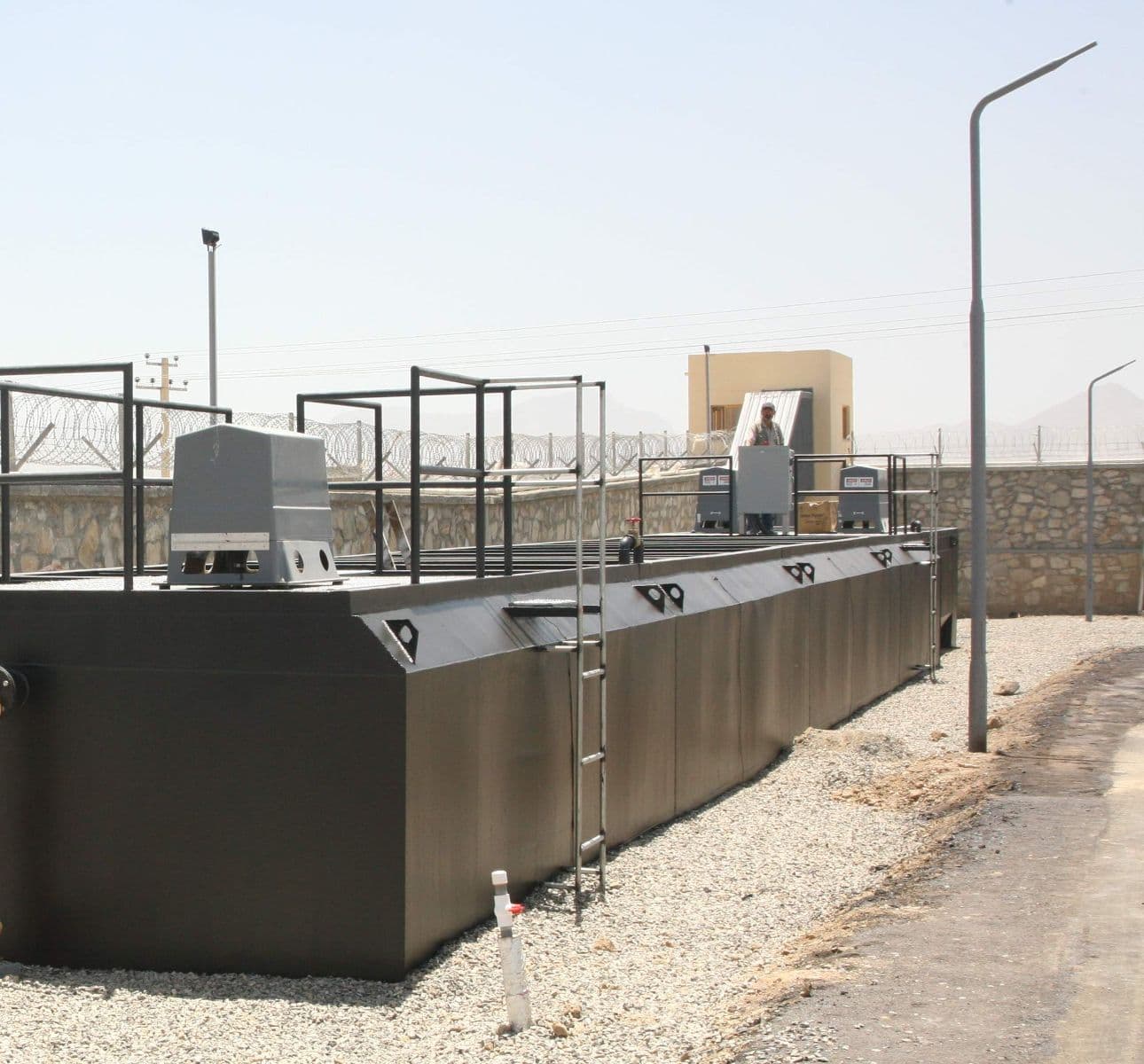
With growing urbanisation and industrial activity, proper management and treatment of domestic wastewater is of great importance for environmental health and the protection of water resources. Especially in areas where sewer infrastructure is missing or inadequate, package domestic wastewater treatment systems offer ideal solutions with their compact design, high efficiency and ease of operation. By treating domestic-type wastewater from a wide range of sources, from homes and tourist facilities to construction sites and small and medium-sized industries, these systems make it possible both to meet legal discharge standards and to recover water.
What Are Package Domestic Wastewater Treatment Systems?
Package domestic wastewater treatment systems are systems designed to treat domestic-type wastewater that house all treatment units in a single compact structure or consist of modular units that are easily combined. They are usually made of durable materials such as steel or GRP (glass-reinforced polyester) and are tested at the factory before being shipped to site. This shortens installation times and minimises construction costs.
Why Choose Package Domestic Wastewater Treatment Systems?
Flexible and Modular Design:
Package domestic wastewater treatment systems are built with a modular structure. When capacity needs to be increased or the system relocated, modules can easily be added or moved to a new site. This is a great advantage for places whose wastewater load changes over time, such as holiday resorts, tourist facilities and organised industrial zones.
Automation and Remote Monitoring:
In modern systems, thanks to automation and remote monitoring technologies, every stage of treatment can be controlled in real time. Potential faults are detected early and rapid intervention ensures uninterrupted operation. As a result, operating costs fall and treatment quality is always kept high.
Energy-Efficient and Environmentally Friendly:
Advanced package treatment systems deliver maximum treatment performance with minimum energy consumption. Some models use solar energy integration and biological treatment techniques to reduce environmental impact even further.
Water Reuse and Sustainability:
Reusing treated water both helps protect water resources and lowers companies' water costs, thereby supporting sustainable environmental policies.
Usually working on the biological package treatment principle, these systems render the organic pollutants in wastewater harmless with the help of microorganisms. The main treatment stages are:
- Pre-treatment: The stage where coarse solids, sand and oil are removed from wastewater with units such as screens and/or grease and grit traps.
- Equalisation Tank: Balances fluctuations in wastewater flow and pollution load, providing a homogeneous feed to the biological treatment unit.
- Biological Reactor (Aeration Tank): The main treatment unit, where organic matter in wastewater is broken down by microorganisms in an oxygen-rich (aerobic) environment. Different compact wastewater treatment technologies such as the sequencing batch reactor (SBR) or the moving bed biofilm reactor (MBBR) can be used at this stage.
- Settling Tank: The stage where the activated sludge (microbial mass) leaving the biological reactor is separated from the water and settled. Part of the settled sludge is returned to the biological reactor, while excess sludge is removed periodically.
- Disinfection: The final stage, in which methods such as chlorination, ultraviolet (UV) light or ozonation are applied to remove pathogenic microorganisms from the treated water.
- Sludge Management: The stage where excess sludge from treatment is temporarily stored and prepared for suitable disposal.
This integrated structure makes package domestic wastewater treatment systems an excellent option for places where space is limited.
Advantages of Package Domestic Wastewater Treatment Systems
Package domestic wastewater treatment systems offer many important advantages over conventional reinforced-concrete treatment plants:
- Compact Design and Small Footprint: Because all units are in a single body or modular structure, they deliver maximum treatment capacity in minimum space. This is a major advantage for projects with high land costs or limited space.
- Low Initial Investment: Factory production and reduced construction work make them more economical than conventional systems.
- Fast Installation and Commissioning: Units pre-assembled at the factory can be installed and commissioned on site in a short time.
- Portability and Modularity: Thanks to their modular treatment plant structure, capacity can easily be increased or the plant moved to another location. This is ideal for temporary settlements (construction sites, camps) or businesses planning phased growth.
- High Treatment Efficiency: Thanks to advanced biological treatment technologies, they reliably meet the discharge standards set out in the Water Pollution Control Regulation.
- Easy Operation and Maintenance: They usually run fully automatically and require minimal staff intervention.
- Low Energy Consumption: Energy costs are low thanks to efficient equipment (e.g. new-generation blower technology) and optimised processes.
- Odour-Free Operation: Well-designed and properly operated systems do not cause odour problems.
- Domestic Wastewater Recovery: Supported by suitable additional treatment units (e.g. ultrafiltration membranes), the treated water can be used for domestic wastewater recovery purposes such as garden irrigation, vehicle washing and toilet flushing. This helps conserve water resources and reduce water bills.
Key Selection Criteria:
Criterion | Description |
|---|---|
Population Equivalent / Flow | Number of people the plant will serve or the average daily wastewater flow (m³/day). |
Wastewater Characteristics | Pollution parameters of the wastewater (BOD, COD, TSS, nitrogen, phosphorus). Precautions must be taken if there is industrial contamination such as heavy metals. |
Required Effluent Quality | Standards of the receiving environment for discharge or the intended reuse. |
Site Conditions | Dimensions and topography of the site where the plant will be installed. |
Material Quality | Corrosion resistance and lifetime of the materials used for tanks and equipment (epoxy-coated ST37 steel, GRP, stainless steel). |
Energy Consumption | Total energy consumption and efficiency of the system. |
Ease of Operation and Maintenance | Level of automation, staffing needs and maintenance intervals. |
Supplier Reliability | The company's references, technical competence and after-sales services. |
Technological Process Options:
Process Technology | Main Features | Advantages |
|---|---|---|
Conventional Activated Sludge | A widespread, well-known process. Aeration and settling take place in separate tanks or compartments. It forms the basis of activated sludge systems. | Simple operation, low cost. |
Sequencing Batch Reactor (SBR) | Filling, aeration, settling, discharge and idle phases take place in sequence in a single reactor. | Compact structure, flexible operation, good sludge settling properties. |
Membrane Bioreactor (MBR) | Combines the activated sludge process with membrane filtration. No settling tank is required. | Very high effluent quality, very small footprint, full automation. |
Moving Bed Biofilm Reactor (MBBR) | Based on biofilm formation on free-floating plastic carriers inside the reactor. | Compact, resistant to load fluctuations, suitable for upgrading the capacity of existing plants. |
Frequently Asked Questions
They are factory-built systems that bring together all units for treating domestic wastewater in a compact structure and usually work on the biological treatment principle.
They are used to treat domestic wastewater at places without sewer infrastructure, such as housing estates, hotels, factories, schools and construction sites.
The organic pollutants in wastewater are used as food by microorganisms (activated sludge) in an oxygen-rich environment provided by aeration and converted into harmless compounds.
It is determined by the number of people it will serve (population equivalent) or the average daily wastewater flow. For domestic wastewater, daily water consumption per person can be taken as 150–200 litres on average.
Yes. With suitable disinfection and, if necessary, advanced treatment (e.g. filtration, MBR), treated water can be used for purposes such as irrigation and cleaning as part of domestic wastewater recovery.
Because they usually run fully automatically, operation and maintenance are easy. Excess sludge must be removed and equipment checked periodically.
Correctly designed and properly operated package treatment systems do not cause significant odour problems.
It varies with system capacity and site conditions, but because they are factory-built they are installed much faster than conventional systems.
Modern package treatment systems are designed with energy-efficient equipment and have optimised energy consumption.
Yes. Correctly designed and operated systems are built to meet the discharge limits set out in the Water Pollution Control Regulation.
Other products
View all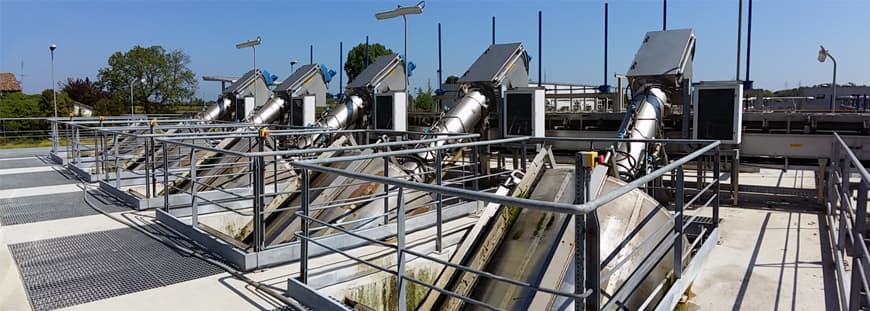
Physical Treatment Units
Units that remove solids and suspended particles from wastewater through screening, sieving, settling and filtration.
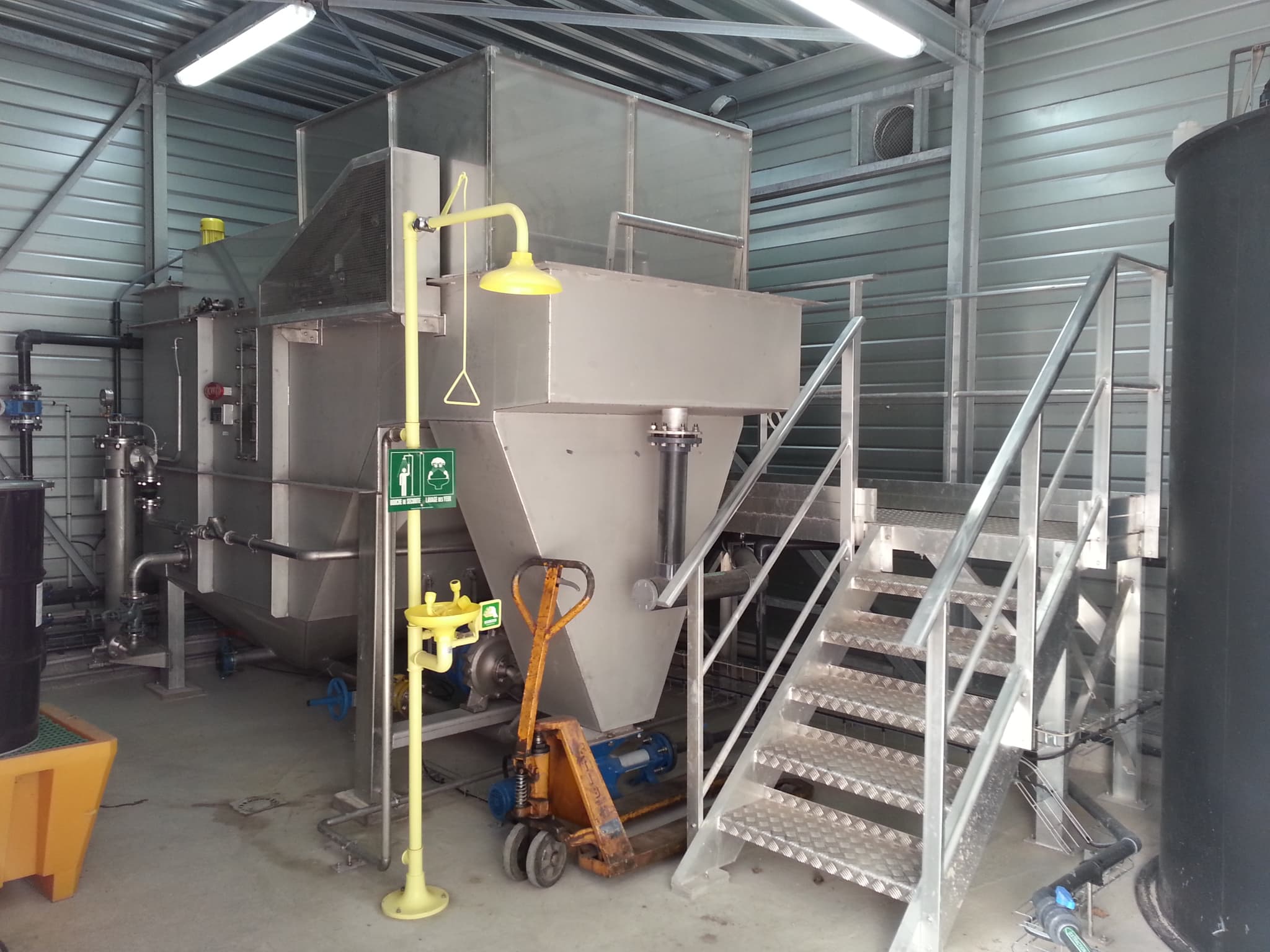
Chemical Treatment Units
Units that remove dissolved organic and inorganic substances from wastewater through coagulation, flocculation, neutralisation and oxidation.
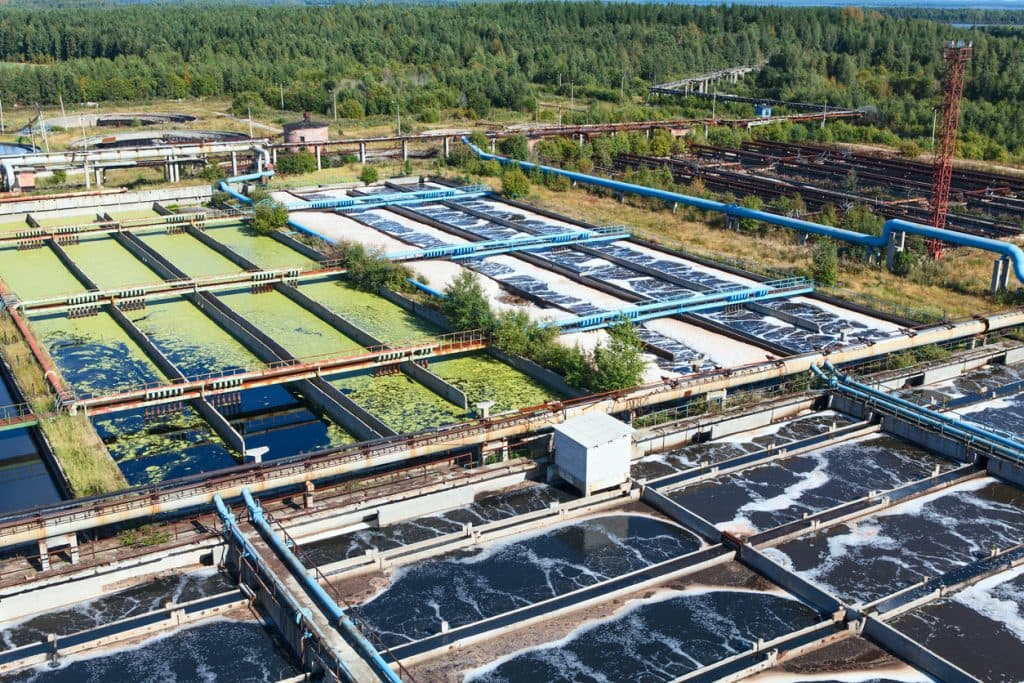
Biological Treatment Units
Units that biologically break down organic matter in wastewater with activated sludge, biofilm and membrane bioreactor technologies.
Get a quote for this system
Let us analyse your plant's water and design the right system together.