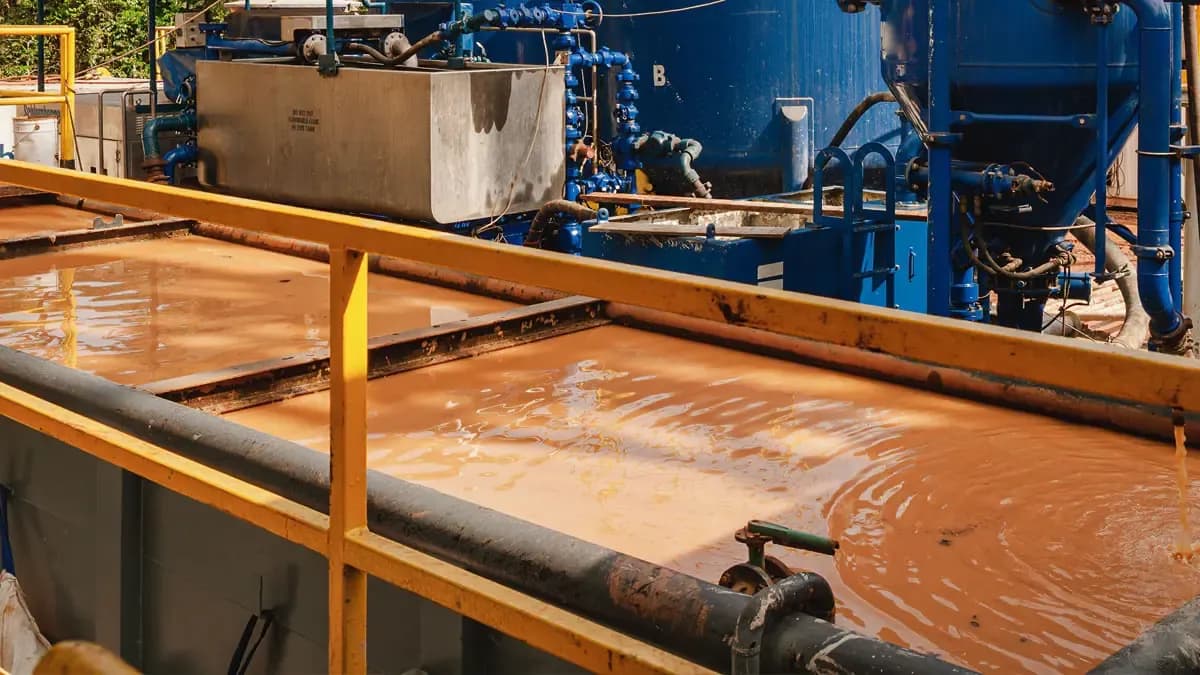
Activated sludge systems are one of the most widely used methods of biological wastewater treatment. Developed in the early 20th century, the method is still used successfully in many domestic and industrial plants today. The reason it has lasted so long and become so widespread is its flexibility, high efficiency and good controllability.
At aquaDESTECH we design, build and commission high-performance activated sludge systems suited to the wastewater characteristics of industrial facilities, from an engineering perspective.
What Is an Activated Sludge System?
An activated sludge system is one in which, in an aerated bioreactor, the dissolved organic matter in wastewater is broken down biologically by microorganisms. The microorganisms multiply by consuming the organic matter; in the process the water is treated and new sludge (biomass) is formed.
The main components of the system are:
- Aeration basin (aeration tank)
- Final settling tank (clarifier)
- Return sludge line
- Excess sludge withdrawal line
- Blower + diffuser system
- Control and automation panel
How Does It Work?
- Wastewater enters the aeration basin.
- Oxygen is supplied to the basin by blowers, activating the microorganisms.
- Organic matter is broken down biologically.
- The mixture leaving the reactor is sent to the settling tank.
- The biomass settles to the bottom and the treated water is discharged from the top.
- Part of the settled sludge is returned to the reactor (return sludge) and the excess is removed.
This cycle keeps the system in balance and provides effective carbon and nitrogen removal.
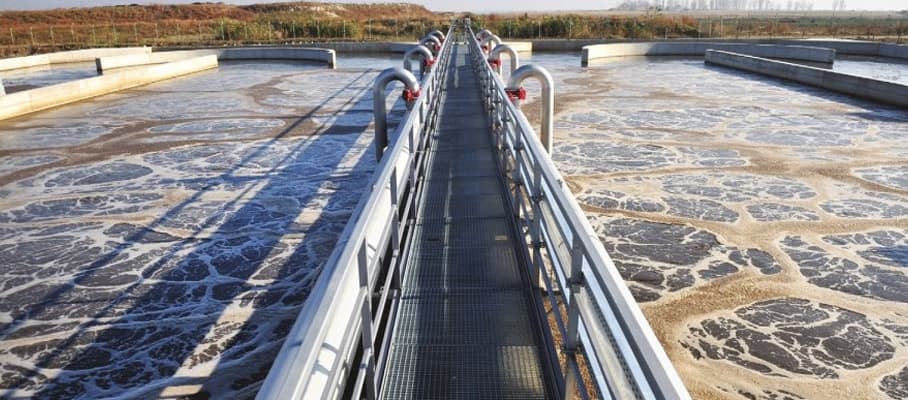
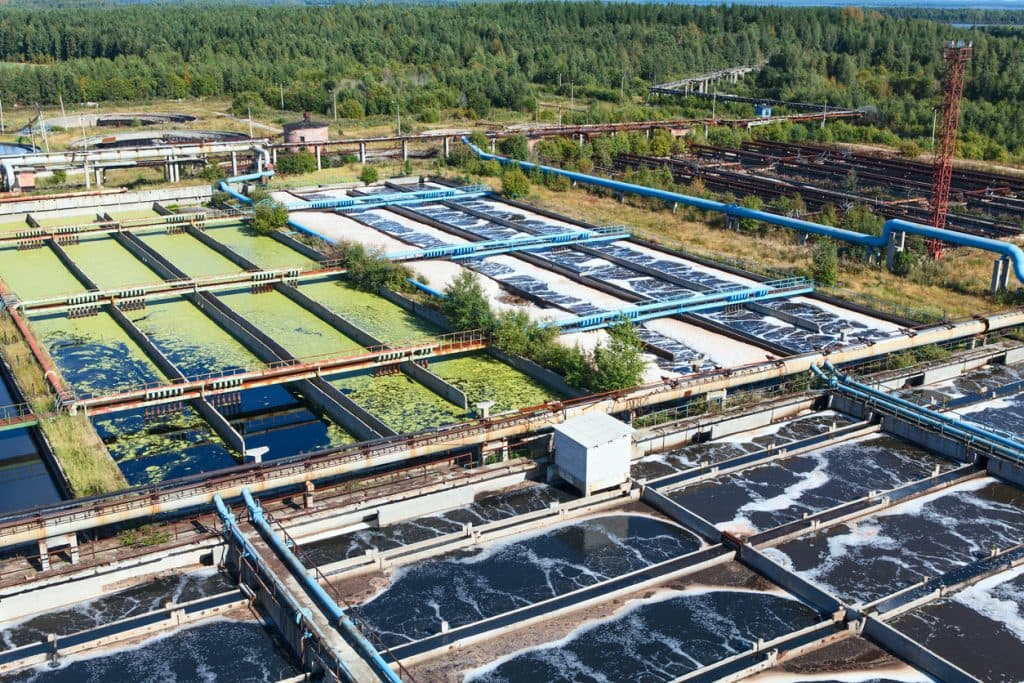
An industrial biological treatment unit using an activated sludge system – a plant equipped with aeration and settling basins
Why Choose an Activated Sludge System?
🔹 High Treatment Efficiency
Delivers 90%+ efficiency in removing parameters such as BOD, COD and TSS.
🔹 Flexible Design and Wide Application
Can be applied successfully in domestic and many industrial sectors. It is common in the food, textile, beverage, paper and chemical sectors.
🔹 Process Control
System behaviour can be precisely controlled through parameters such as sludge age, F/M ratio and dissolved oxygen.
🔹 Can Be Integrated with Advanced Treatment
Activated sludge systems work well with advanced treatment processes such as filtration, UV, activated carbon and RO.
Process Control and Performance Monitoring in Activated Sludge Systems
The successful operation of activated sludge systems depends not only on equipment quality but also on close process monitoring and timely intervention. Because these systems are a living biological system, imbalances can directly affect microbial activity.
Process performance is assessed using the following key parameters:
- MLSS (Mixed Liquor Suspended Solids): The total suspended solids concentration in the aeration basin, usually kept between 2,500 and 5,000 mg/L.
- DO (Dissolved Oxygen): Indicates the oxygen demand of the microorganisms. Insufficient DO can cause the system to turn anaerobic and generate odour.
- SRT (Sludge Retention Time): Sludge age is critical for system stability. Depending on targets such as organic load and nitrogen removal, it can range from 10 to 25 days.
- F/M Ratio (Food to Microorganism Ratio): The ratio of the incoming organic load to the biomass. A low F/M means less sludge production and more stable operation.
In aquaDESTECH systems, these parameters are monitored in real time with both field instruments and SCADA software. The automation system gives warnings at critical thresholds, allowing the operator to intervene.
Especially in industrial plants, sudden flow changes, chemical loads or process changes on production lines can affect the biological system. For such situations, supporting elements such as an equalisation tank, automatic dosing control and pH and ORP monitoring sensors are also integrated into the system.
This approach ensures not only compliance with environmental regulations but also economical, safe and sustainable operation of the system.
Technical Parameters
Term | Description |
|---|---|
Sludge Age (SRT) | The average time microorganisms remain in the bioreactor, usually 10–25 days. |
F/M Ratio | Food/microorganism ratio (gBOD/gMLSS/day) – determines treatment efficiency. |
Dissolved Oxygen (DO) | Should be kept between 2 and 4 mg/L. |
MLSS / MLVSS | Indicates the total sludge and active sludge concentration in the reactor. |
HRT | Hydraulic retention time – can be designed for 4–12 hours. |
Real Application Example
📍 Metal Plating Plant – Bursa
- Daily flow: 180 m³/day
- Inlet BOD: 1,450 mg/L → Outlet: < 50 mg/L
- System: ASP + denitrification + lamella settling
- Automation: PLC + SCADA remote monitoring
- Energy savings: 22% (blow-back-controlled aeration)
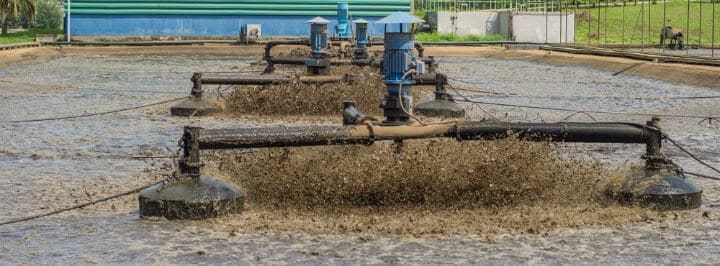
Biological treatment unit equipped with activated sludge systems used in industrial wastewater treatment
Frequently Asked Questions
How is sludge managed in an activated sludge system?
→ Excess sludge is withdrawn daily, thickened and dewatered (e.g. with a filter press), then disposed of.
Does the system take up a lot of space?
→ Conventional ASP systems are generally preferred for medium to large plants. If space is limited, alternative biological systems such as MBBR or SBR are recommended.
Can nitrogen and phosphorus be removed?
→ Yes. Denitrification and EBPR (biological phosphorus removal) processes can be integrated with an activated sludge system.
Will there be odour problems?
→ With proper aeration and regular sludge management, no odour forms. Blower systems and diffuser design play a critical role here.
An Effective Solution with aquaDESTECH
At aquaDESTECH we don't just install activated sludge systems; we also manage the entire process end to end, including:
- Treatability analysis
- Process design
- Equipment manufacturing
- Automation and commissioning
- Remote monitoring and maintenance support
and more.
📩 Contact us and request an activated sludge solution tailored to your facility.