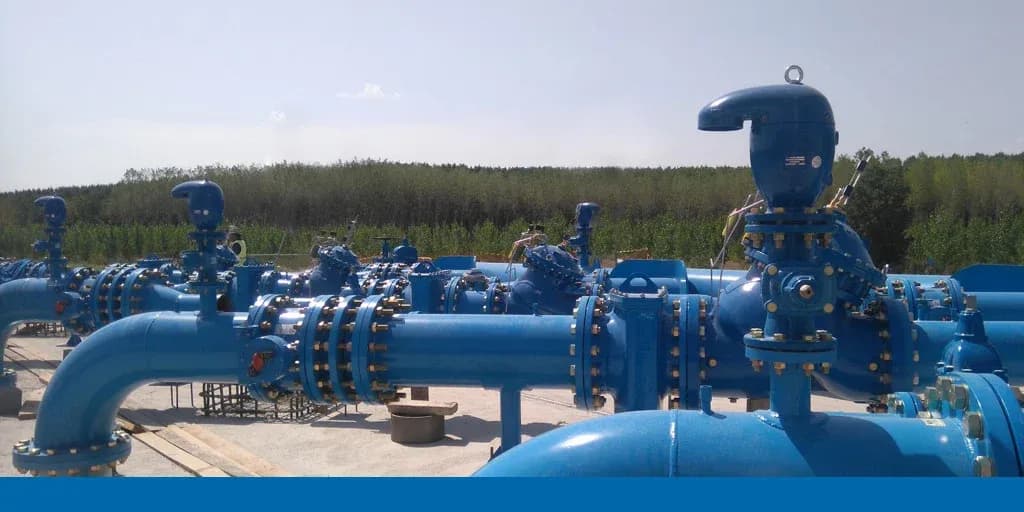
Maximum Efficiency with Dissolved Oxygen Control Automation
Dissolved oxygen control automation is an integrated system that adjusts the amount of oxygen – vital for microorganisms in biological treatment processes – based on real-time sensor data. This technology keeps effluent quality stable while minimising energy consumption. With automation solutions tailored to industrial facilities, aquaDESTECH optimises oxygen management, lowers operating costs and helps you reach your environmental targets.
What Is Dissolved Oxygen Control Automation?
This system automatically adjusts blowers or diffuser valves using sensors that measure the dissolved oxygen (DO) level in the aeration tank. The process involves the following steps:
- DO sensors detect the instantaneous oxygen level.
- PLC/SCADA control adjusts blower speed or valve opening according to the specified setpoint.
- It eliminates the risks of excess oxygen consumption and oxygen deficiency.
Compared with conventional constant air supply, this method offers much more precise control.
Advanced Control Techniques and AI Integration
Dissolved oxygen control automation systems go beyond classic PID control and offer model-based control (MBC) and AI-assisted optimisation. These techniques predict reactor dynamics with mathematical models and adjust oxygen dosing proactively. As a result:
- Lower Fluctuation: DO deviations drop to ±0.05 mg/L.
- Fast Response: Adapts to sudden load increases within seconds.
- Energy Efficiency: An additional 5–10% saving is achieved compared with conventional control.
Digital Twin and Simulation
Digital twin technology creates a one-to-one virtual copy of the real plant, making simulation and scenario analysis possible. This means:
- Risk Reduction: You can test new settings in a virtual environment before applying them to the real system.
- Process Improvement: You can compare different air supply strategies to determine optimum control parameters.
- Training: Operators gain experience in a virtual environment before making mistakes on the real system.
In digital twin integration, aquaDESTECH uses SCADA data to simulate live plant performance and continuously update control strategies.
Remote Monitoring and Mobile Applications
Today, critical data such as DO level, blower speed and energy consumption can also be monitored in real time via mobile applications. So even off-site:
- Instant notifications are received in the event of an alarm.
- Parameters can be adjusted remotely.
- Maintenance teams are dispatched in order of priority.
These mobile solutions, integrated with the SCADA infrastructure, both simplify interface design and shorten response times.
Regulatory Compliance and Certifications
Standards your plant must meet, such as the Turkish Water Pollution Control Regulation (SKKY), BAT (Best Available Techniques) and ISO 14001, are easier to achieve with dissolved oxygen control automation. Correct DO management means:
- Discharge Below Legal Limits: BOD/COD and TSS values are kept under continuous control.
- Easier Audits: All data is recorded digitally, reported and presented to auditors.
- Certification Support: All documentation required for ISO and environmental management systems is generated by the automation.
Training, Support and Operational Continuity
aquaDESTECH provides the following after commissioning:
- Operator Training: Both basic and advanced control strategies are covered.
- User Manual: Step-by-step maintenance and calibration procedures are provided.
- 24/7 Technical Support: Support at any time via remote connection and on-site intervention.
- Annual Performance Review: System efficiency is reported and improvement recommendations are made.
This comprehensive service package guarantees operational continuity and minimises human error.
Advantages
- Energy Savings: DO-controlled automation uses blower power only when needed, reducing energy consumption by 20–30%.
- Process Stability: Protects effluent quality by responding automatically to fluctuating loads and flow changes.
- Equipment Life: Prevents wear caused by overpressure and vibration.
- Easy Monitoring: With SCADA integration, all parameters are tracked graphically.
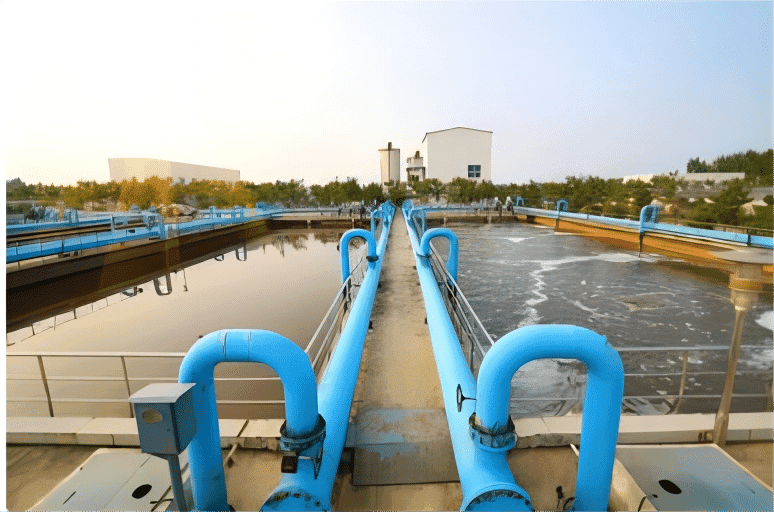
SCADA screen and oxygen monitoring chart for dissolved oxygen control automation in industrial wastewater treatment
Key Components
- DO Sensors: Measure the dissolved oxygen level with ±0.1 mg/L accuracy.
- Blower/Compressor: Produces optimised airflow with automatically speed-controlled motors.
- Flow Control Valves: Make instant adjustments thanks to their modulating design.
- PLC & SCADA: Processes sensor data, sends control signals and generates reports.
- Communication Modules: Enable remote monitoring and data analytics via IoT protocols.
Applications
- Activated Sludge Systems: Activated sludge processes with precise DO control.
- MBBR and IFAS Reactors: Constant DO level in biofilm carrier systems.
- SBR Tanks: Automatic oxygen dosing in batch processes.
- Process Water Preparation: Oxygen removal and control before RO.
Integration and Installation Process
- Site Survey: Flow, BOD/COD, MLSS and existing oxygen imbalances are analysed.
- Engineering: Hardware is selected according to reactor type and target effluent criteria.
- Installation: Sensors, blowers and automation panels are installed.
- Commissioning: PLC/SCADA scenarios are implemented and sensors are calibrated.
- Training & Support: Operator training and a 6-monthly maintenance plan are provided.
Real-World Application
Case Study – Textile Plant in Bursa
- Flow: 150 m³/day
- Initial Situation: Fixed-speed blower, DO fluctuations of ±1 mg/L
- Solution: Valves with DO sensors and PLC/SCADA integration
- Results:
This example shows both the economic and environmental benefits of dissolved oxygen control automation.
Frequently Asked Questions
How are sensor failures prevented in dissolved oxygen control?
→ Redundant DO sensors and an automatic alarm system take over.
What is the system's payback period (ROI)?
→ In typical projects, payback within 12–24 months is possible.
Does it work without SCADA?
→ Basic PLC control provides limited functionality; SCADA integration is recommended for full efficiency.