What Is Next-Generation Blower Technology and Why Does It Matter?
Next-generation blower technology refers to aeration solutions that adjust airflow in real time using VFD (variable frequency drive) motor drives and advanced automation modules. Compared with conventional fixed-speed blowers, it offers energy efficiency, process stability and low-harmonic power consumption. At aquaDESTECH, we apply this technology at industrial wastewater treatment plants to lower your operating costs and support environmental sustainability.
Choosing and Sizing the Right Blower
The success of next-generation blower technology projects starts with blower selection and sizing. Every plant has different flow, pressure and process loads. Therefore:
- Flow Analysis: The plant's air demand, which varies throughout the day, is calculated in m³/h.
- Pressure Requirement: Determined by hydraulic losses and diffuser type.
- Safety Factor: 10–20% extra capacity is reserved for sudden load increases.
- Energy Price: Energy tariffs are taken into account for their effect on annual operating costs.
A correctly sized blower both optimises the investment cost and guarantees energy efficiency.
Blower Types Compared
Three main types are used in next-generation blower technology:
- Turbo Blower: High efficiency, low energy consumption, compact design.
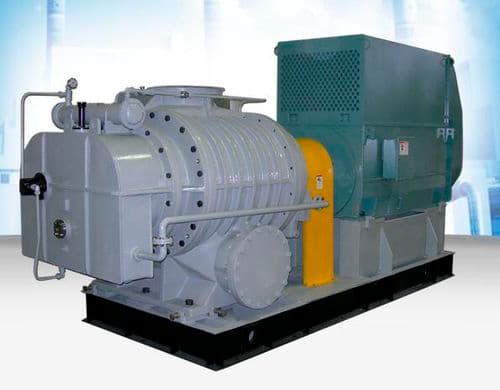
- Roots Blower (Positive Displacement): Delivers constant flow; ideal for low-pressure applications.
- Vane Blower: A cost-effective solution for medium flow and pressure ranges.
Each type should be chosen according to the process characteristics. For example, turbo blowers are preferred for variable flows in activated sludge tanks, while roots blowers are often used in MBBR reactors.
Noise Control and Vibration Reduction
In industrial plants, blower noise matters for both staff health and environmental compliance. Next-generation blower technology uses:
- Acoustic insulation materials
- Anti-vibration mounting feet
- Low-speed operating modes
These measures can bring noise levels below 75 dB. Vibration sensors detect balance problems early and improve maintenance scheduling.
Modular and Scalable Design
As your plant's capacity grows, so does its blower demand. With modular blower groups:
- Step-by-Step Expansion: Increase flow capacity gradually by adding extra units.
- Redundancy: If one blower fails, another takes over, so there is no downtime during maintenance.
- Small Footprint: The modular design allows easy installation even in tight spaces.
With its modular concept, aquaDESTECH ensures seamless scaling in every project.
Integration with Renewable Energy
In line with green energy targets, next-generation blower technology can be integrated with solar panels and wind turbines. For example:
- Solar-Powered Blower Set: Blowers that run on solar power during daylight hours.
- Smart Grid Integration: Automatic switching that responds to fluctuations in the power grid.
These approaches significantly reduce carbon emissions.
Retrofit Projects and Upgrades
Upgrading existing fixed-speed blowers with VFD-driven next-generation blower technology is a low-cost improvement. Retrofit steps:
- Analysis of the existing motor and panel
- VFD drive installation
- Control panel revision
- SCADA integration update
This achieves 20% energy savings with just 1–2 weeks of work on site.
Maintenance Strategies and Life-Cycle Management
For a long service life of next-generation blower technology, carry out:
- Periodic Oil Change: every 6–12 months
- Air Filter Cleaning: monthly
- VFD Software Update: yearly
- Speed Sensor Calibration: every six months
Life-cycle cost analysis clarifies the total cost of ownership (TCO) and optimises the maintenance budget.
Future Trends and R&D
The future of blower technology:
- Magnetic Bearing Turbo Blower: No mechanical friction, almost silent operation.
- Water-Cooled Motors: Higher efficiency and improved compression efficiency.
- AI Optimisation: Process dynamics are continuously adjusted with machine learning.
The aquaDESTECH R&D centre follows these trends closely and updates its field applications accordingly.
Environmental and Economic Gains
Across the plant, next-generation blower technology delivers:
- Up to 30% energy savings
- Up to 50% noise reduction
- A 20% drop in maintenance costs
contributing to both the environment and your budget.
Key Components and Operating Principle
- VFD Blower Motor
Thanks to the frequency inverter, blower speed is adjusted instantly according to dissolved oxygen or pressure sensor data. - Low-Harmonic Blower Drive
Protects power quality, extends equipment life and minimises harmonic distortion. - SCADA Integration
All parameters are monitored remotely, and energy consumption and performance reports are generated automatically. - Flow and Pressure Sensors
Real-time data optimises blower output and ensures process stability.
Advantages of Next-Generation Blower Technology
- Energy Efficiency: VFD control reduces energy consumption by 20–30%.
- Process Stability: Responds automatically to sudden load changes, minimising deviations in effluent quality.
- Long Equipment Life: Low harmonic distortion and controlled pressure fluctuations extend the service life of the blower and motor.
- Easy Maintenance and Monitoring: SCADA software provides spare-part needs, maintenance schedules and fault alerts in real time.
Applications
Activated Sludge Systems
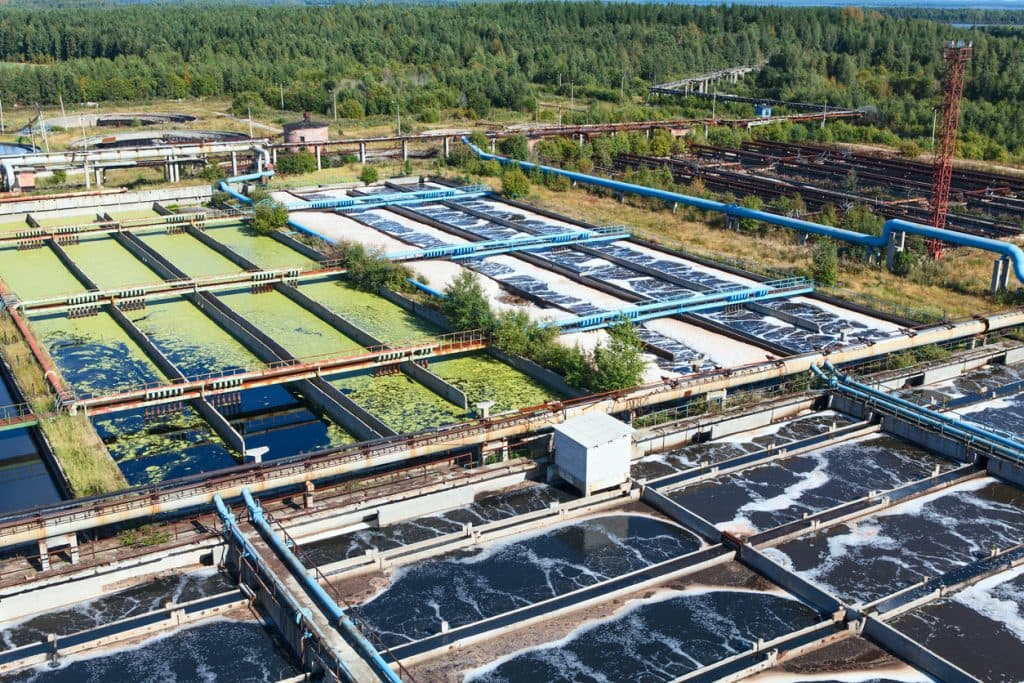
Next-generation blower technology optimises oxygen control in activated sludge systems and increases BOD/COD removal.
MBBR and IFAS Reactors
Biofilm carrier systems achieve maximum efficiency with a constant DO level, and nitrogen removal becomes stable.
SBR Tanks
Adapts automatically to flow fluctuations in batch reactors, supporting operational continuity.
Real-World Case Study
Textile Plant
- Flow: 150 m³/day
- Previous System: Fixed-speed blower
- New System: VFD blower + SCADA integration
- Results:
- Energy consumption reduced by 25%
- Effluent BOD fell from 55 mg/L to 35 mg/L
- ROI reduced to 18 months
Installation and Integration Process
- Site Analysis: Flow, BOD/COD, MLSS values and the existing aeration system are examined.
- Engineering: Blower capacity, VFD selection and sensor locations are determined.
- Installation and Commissioning: SCADA parameters are defined and sensors are calibrated.
- Training & Maintenance Plan: Operator training, a 6-monthly maintenance schedule and IoT-based remote monitoring are set up.
Frequently Asked Questions
How are energy savings measured with a next-generation blower?
→ Energy bills are compared and SCADA reports are used to track the change in kWh.
What does low-harmonic blower mean?
→ It is a drive technology that reduces harmonic distortion and does not harm the grid frequency.
Is SCADA integration essential?
→ Basic VFD control is possible, but SCADA or IoT monitoring is recommended for full efficiency.