
Heavy metals are metallic elements with high atomic weight and density that can be toxic to living organisms even at low concentrations. Although these metals occur naturally in certain amounts, industrial activities, mining, chemical production and wastewater discharges cause them to accumulate in the environment and lead to serious pollution problems.
Definition and Basic Properties of Heavy Metals
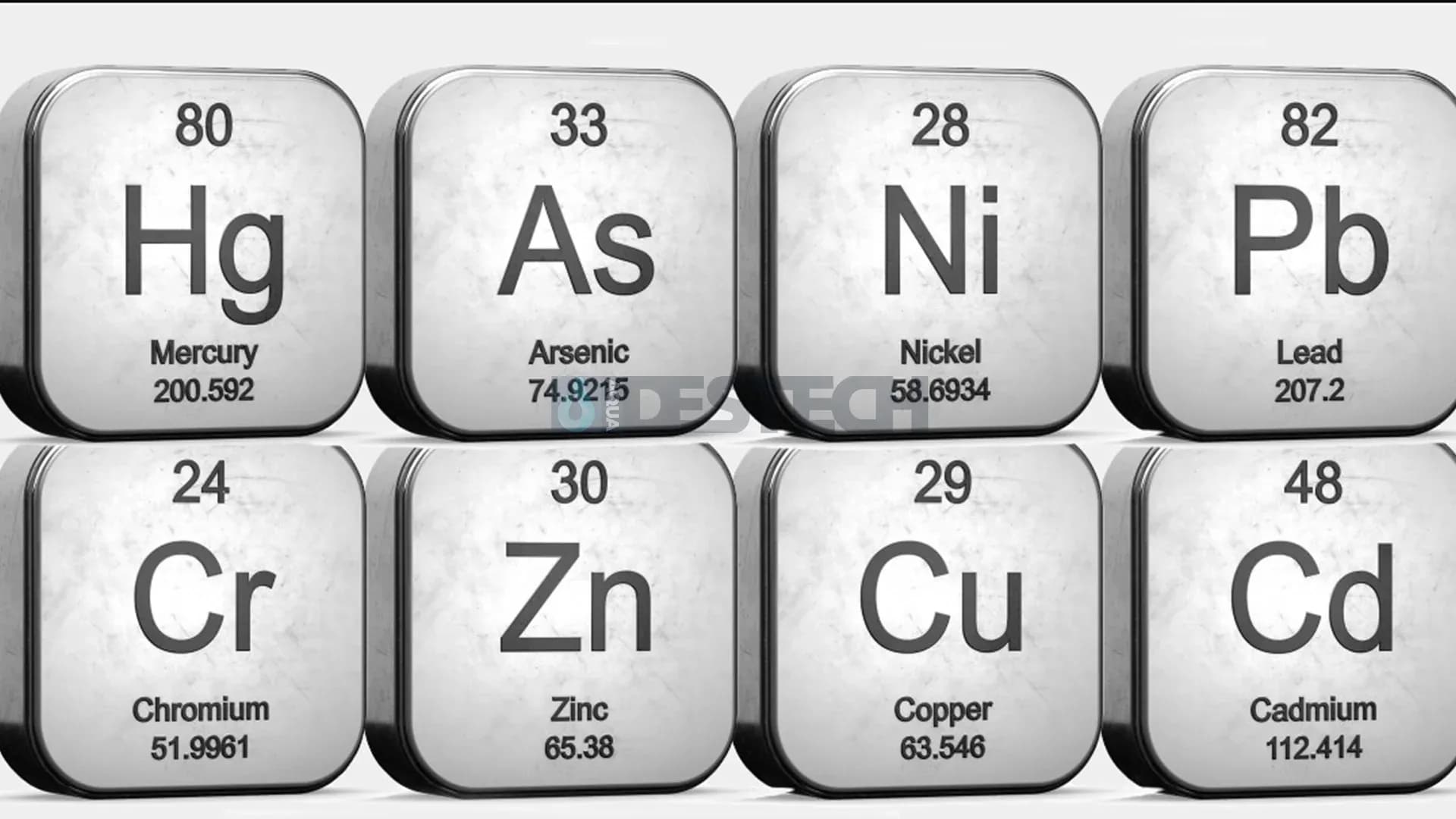
Although there is no strict scientific boundary for the term “heavy metal”, elements with a density greater than 5 g/cm³ are generally included in this group. The most common and environmentally risky ones are:
Metal | Symbol | Toxic Effects |
|---|---|---|
Lead | Pb | Nervous system disorders, developmental delay |
Mercury | Hg | Kidney damage, nervous system damage |
Cadmium | Cd | Lung and kidney diseases |
Arsenic | As | Carcinogenic, causes DNA damage |
Chromium (VI) | Cr⁶⁺ | Respiratory tract and liver damage |
Nickel | Ni | Allergic reactions, skin diseases |
Copper | Cu | Gastrointestinal problems when taken in excess |
The toxic effects of these metals on living organisms are cumulative, and they can cause damage in the body over time.
What Are the Sources of Heavy Metals?
Heavy metal pollution can occur naturally (volcanic eruptions, rock weathering, etc.), but the most common source is human activity. The main anthropogenic (human-caused) sources are:
- Metal industry and galvanising plants
- Paint, battery and electronics manufacturing
- Mining and ore processing
- Burning of fossil fuels (especially coal)
- Pesticides and fertilisers used in agriculture
- Direct discharge of municipal and industrial wastewater
Industrial waste released into nature without control, in particular, leads to heavy metal accumulation in water sources and to ecosystem degradation.
Environmental and Health Effects of Heavy Metals
Beyond threatening aquatic life, heavy metals can enter the food chain and affect all living things, including humans.
For example:
- Fish and shellfish accumulate heavy metals in polluted water
- People take the metals into their bodies by eating these animals
- Long-term exposure can cause cancer, organ failure and neurological disorders
In addition, heavy metals seeping into the soil can be absorbed by plants and contaminate agricultural products.
How Are Heavy Metals Removed?
Because heavy metals are not easily broken down biologically, they must be removed from water using physical and chemical methods. At aquaDESTECH we apply the following treatment technologies for wastewater containing heavy metals:
1. Chemical Precipitation
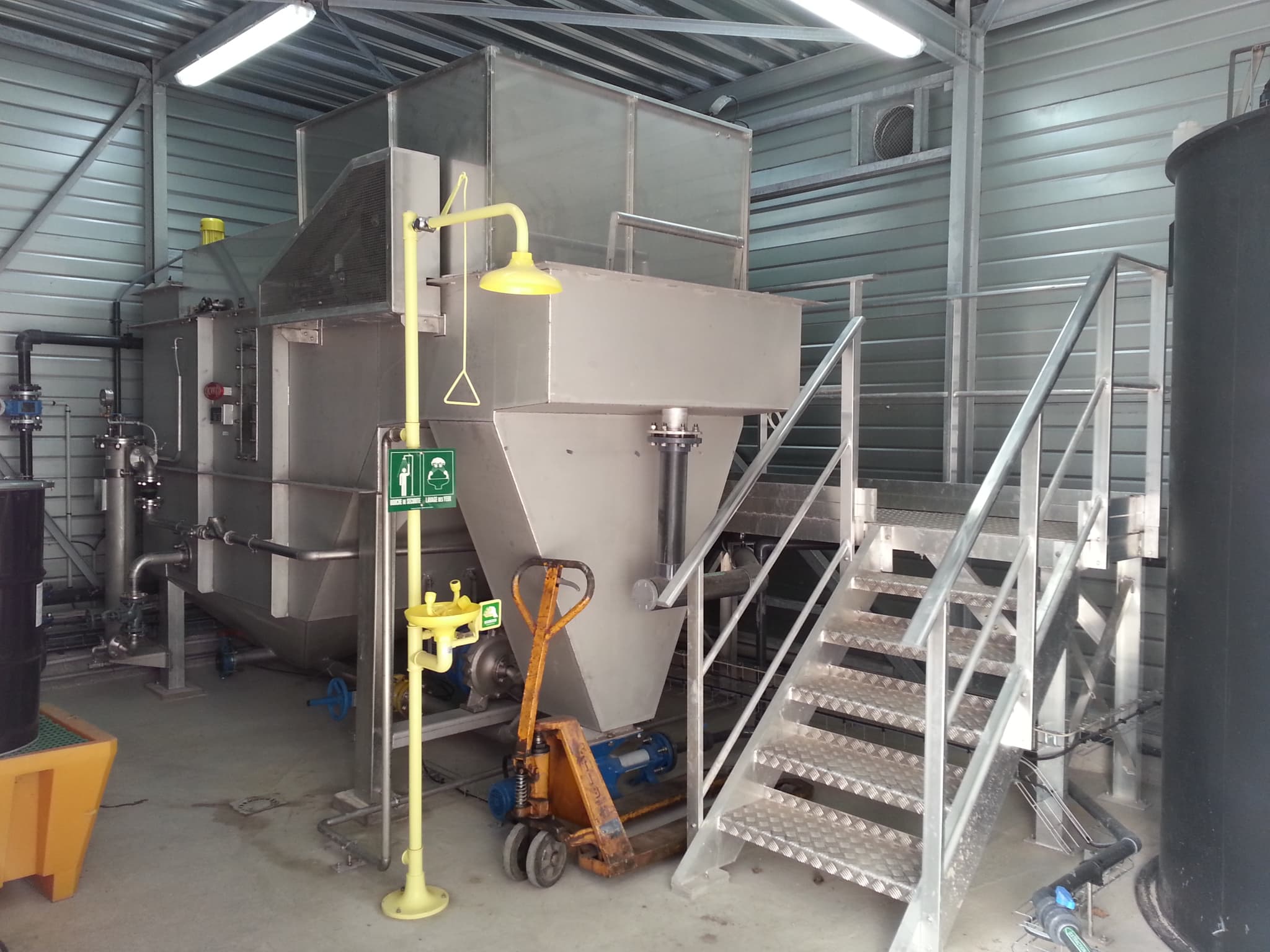
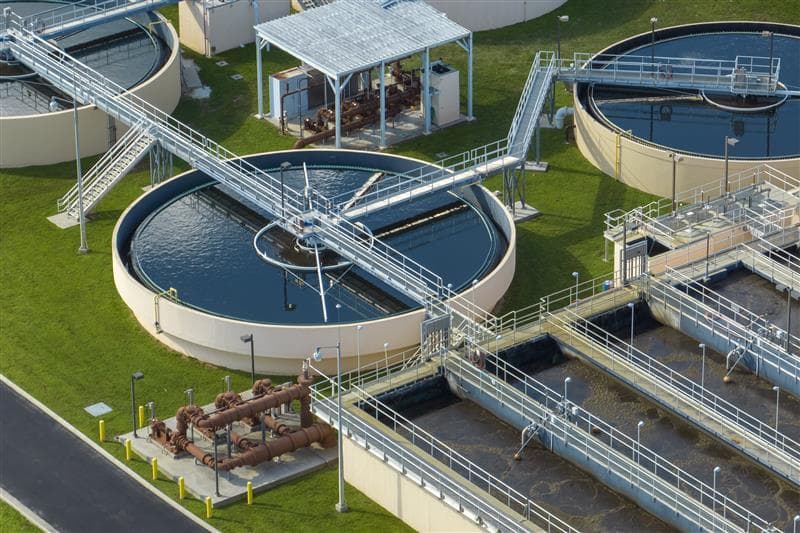
By adjusting pH and using coagulants (e.g. lime, ferrous sulphate), heavy metals are converted into metal hydroxides and separated in settling tanks.
2. Ion Exchange
Dissolved metal ions are removed from water with the help of resins. It is particularly effective in removing chromium, nickel and lead.
3. Membrane Technologies (RO)
Reverse osmosis systems remove 95–99% of many dissolved substances, including heavy metals.
→ Get detailed information about RO systems
4. Activated Carbon and Adsorption
Some metals can be captured with activated carbon or special adsorbents. This method is effective at low concentrations.
Your Heavy Metal Solution with AquaDESTECH
Our company designs special treatment systems for processes with a high heavy metal load, especially in the chemical, metal and textile industries.
Our solution process:
- Wastewater characterisation
- Process selection (chemical, physical, membrane)
- Equipment manufacturing and on-site implementation
- Automation and SCADA integration
- Post-project monitoring and maintenance support
Conclusion: Heavy Metals Are a Serious Environmental and Health Problem
The accumulation of heavy metals in nature poses serious threats to both ecosystems and human health. For this reason, installing effective treatment systems against these pollutants is not only a legal obligation for industrial plants but also an environmental responsibility.
At AquaDESTECH we offer engineering solutions tailored to each business with our sustainable, high-efficiency heavy metal removal systems.