What Are Air-Controlled Systems? A Core Technology in Industrial Wastewater Treatment
Air-controlled systems are arrangements that precisely regulate the oxygen microorganisms need in biological wastewater treatment processes. These systems increase energy efficiency while at the same time safeguarding effluent quality. At aquaDESTECH, with air-controlled system designs tailored to industrial facilities, we both lower your operating costs and maximise environmental compliance.
Why Air-Controlled Systems?
Active Oxygen Management
Air-controlled systems regulate the amount of oxygen supplied to the reactor through blowers and diffusers based on direct parameters (dissolved oxygen – DO, biomass concentration). As a result:
- Insufficient oxygen – and the resulting odour, deactivation and loss of efficiency – is prevented.
- Excess air supply and the unnecessary energy consumption it causes are avoided.
Energy Efficiency
A significant share of daily energy costs goes to the aeration system. With DO sensors and automated control, energy consumption can be reduced by 20–30%.
Main Components of Air-Controlled Systems
- Blower Unit: Produces compressed air.
- Diffusers: Distribute the air into the water as fine bubbles.
- DO Sensors: Measure the dissolved oxygen level.
- PLC/SCADA Control Panel: Collects real-time data and generates control signals.
- Air Distribution Lines: Minimise pressure losses.
Applications and Advantages
Industrial Biological Reactors
- MBBR, SBR or ASP – in systems like these, oxygen demand plays a critical role.
- Air-controlled systems provide automatic oxygen dosing regardless of reactor type.
High Performance and Continuity
- Automatic adjustment to sudden flow changes.
- With a stable DO level, up to 95% BOD/COD removal is achieved.
Textile Plant
An air-controlled system installed at a 150 m³/day textile plant in Hatay delivered:
- 25% savings in energy consumption
- Effluent BOD < 50 mg/L
- Return on investment (ROI) within 1 year.
Continuous Control with Remote Monitoring and Data Analytics
Today, air-controlled systems are integrated with IoT and cloud-based SCADA solutions to provide 24/7 performance monitoring. Real-time data from sensors is analysed on central servers and critical deviations are reported to the operator immediately. In this way, both oxygen fluctuations and blower efficiency are continuously optimised. Remote monitoring allows field teams to set maintenance priorities in advance and reduces unplanned downtime.
Data Analytics and Reporting
- Trend Analysis: CO₂, DO and energy consumption data are tracked with charts.
- KPI Reports: BOD/COD removal, energy savings and uptime are reported daily, weekly or monthly.
- Anomaly Detection: Machine learning algorithms predict unusual oxygen fluctuations and issue warnings.
Maintenance and Calibration Procedures
Precise control is only possible with reliable sensors and regular maintenance. To extend the life of air-controlled systems, aquaDESTECH recommends the following steps:
- Sensor Calibration (Monthly): Calibrate DO sensors with reference solutions.
- Blower Maintenance (Quarterly): Ensure optimum performance by checking belts, oil and fans.
- Valve and Line Checks (Every 6 Months): Test flow control valves and clear any blockages.
- Software Updates (Yearly): Strengthen cyber security by keeping PLC/SCADA drivers up to date.
These procedures maintain system stability and minimise the risk of failure.
Return on Investment and Economic Analysis
An investment in air-controlled systems is quickly reflected in energy bills. A typical calculation example is given below:
- Current consumption: 150 kW blower power
- Energy price: USD 0.10/kWh
- Savings with optimisation: 25%
- Monthly savings: 150 kW × 24 h × 30 days × USD 0.10 × 0.25 ≈ USD 270
- Investment cost: USD 5,000
- Payback period (ROI): USD 5,000 / USD 270 per month ≈ 18 months
This simple model shows that ROI can be achieved within 12–24 months in real-world projects.
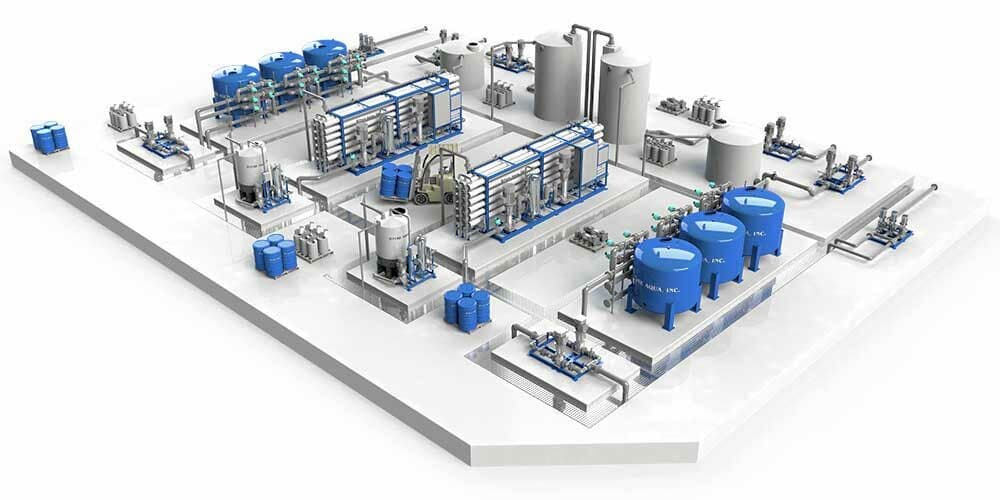
Automatic valve and sensor system regulating the oxygen level in a biological treatment tank using air-controlled systems
Environmental and Operational Sustainability
Air-controlled systems not only save energy; they also reduce the carbon footprint. Lower blower operation requires less natural gas or electricity generation. In addition:
- Lower carbon dioxide emissions: Tonnes of CO₂ emissions are avoided every year.
- Reduced chemical use: A stable DO level lowers chemical oxygen demand.
- Longer equipment life: With less overpressure and vibration, maintenance and replacement cycles are extended.
These advantages strengthen both your environmental responsibility and the sustainability of your operation.
Advanced Control Strategies
For air-controlled systems there is a wide range of options. Advanced strategies include:
- PID and Model-Based Control: Algorithms that go beyond conventional PID by modelling reactor dynamics.
- Predictive Maintenance: Predicting blower and valve failures based on sensor data.
- Energy Recovery: Heat recovery from reactor exhaust air.
- Multi-Tank Control: Managing parallel reactors with a single central automation system.
These strategies raise process performance to 99% stability.
Technical Parameters and Control Strategies
Parameter | Target Value |
|---|---|
Dissolved Oxygen (DO) | 2–4 mg/L |
MLSS | 3,000–5,000 mg/L |
6–12 hours | |
SRT (sludge retention time) | 10–20 days |
- PID-controlled blower: Adjusts airflow instantly.
- Proportional control: Oxygen dosing according to the microbial load.
- Timer mode: Optimises the difference between day and night consumption.
How Is It Integrated?
- Site Analysis: Flow, BOD/COD, MLSS and flow variations are examined.
- Project Design: Selection of blowers and diffusers according to reactor type and target effluent quality.
- Installation and Commissioning: PLC integration, sensor calibration and automation testing.
- Training and Maintenance: Operator training and a 6-monthly periodic maintenance plan.