A Revolution in Industrial Water Treatment with Ultrafiltration Membranes
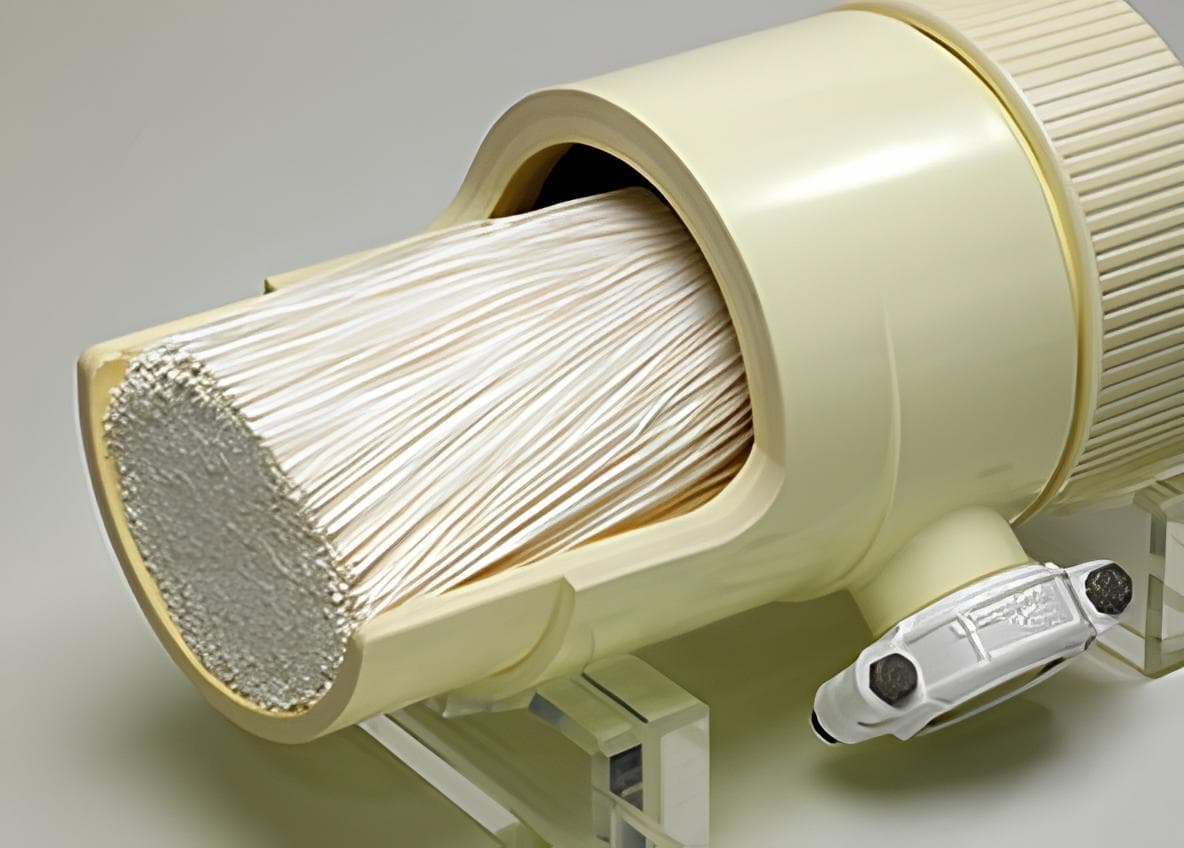
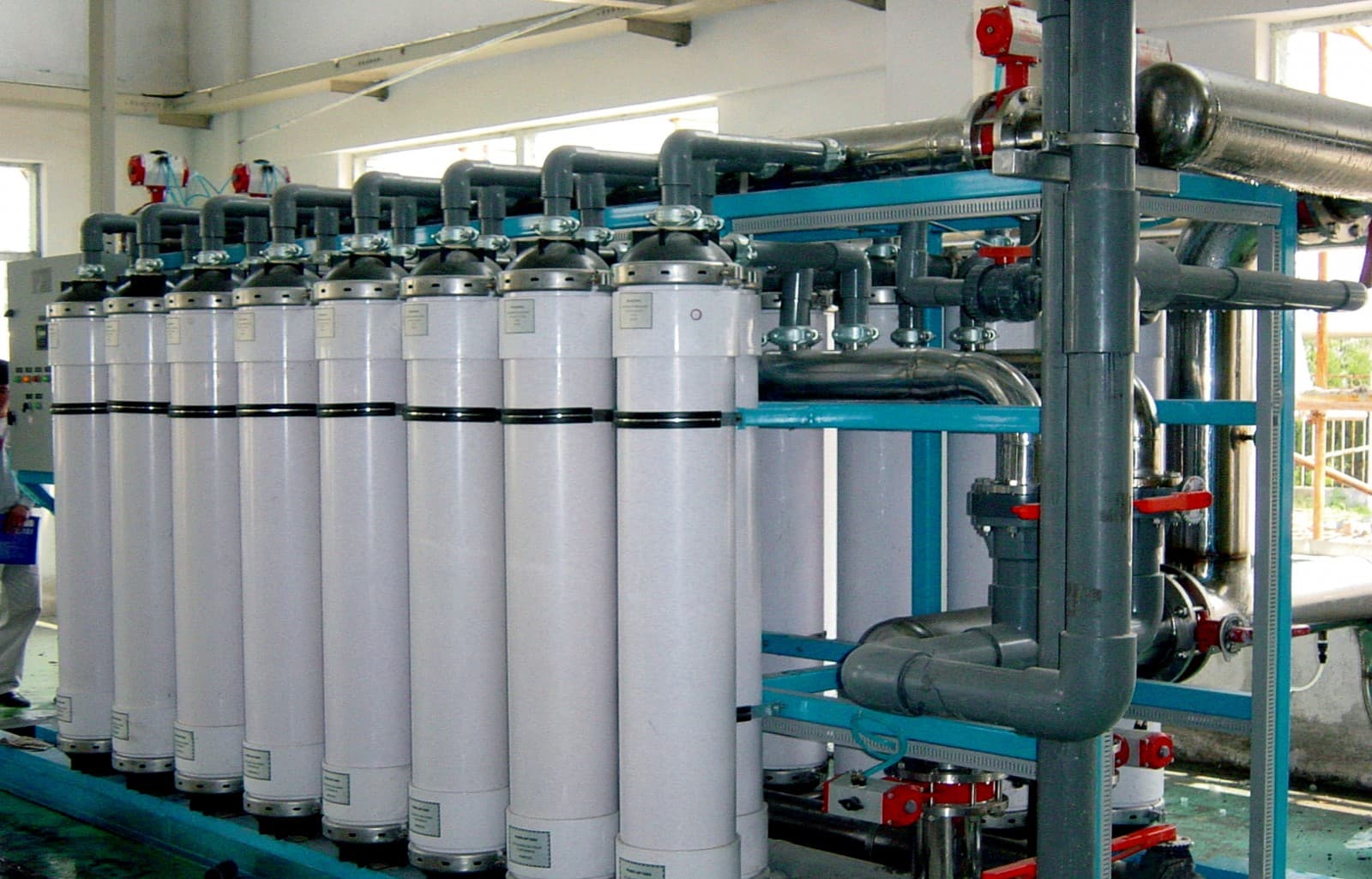
Ultrafiltration membranes are state-of-the-art filtration equipment chosen by factories, production lines and municipal facilities to treat process, recovery and discharge water with high efficiency. At aquaDESTECH, with more than 15 years of engineering experience, we design our UF solutions specifically for industrial needs.
Why Ultrafiltration Membranes?
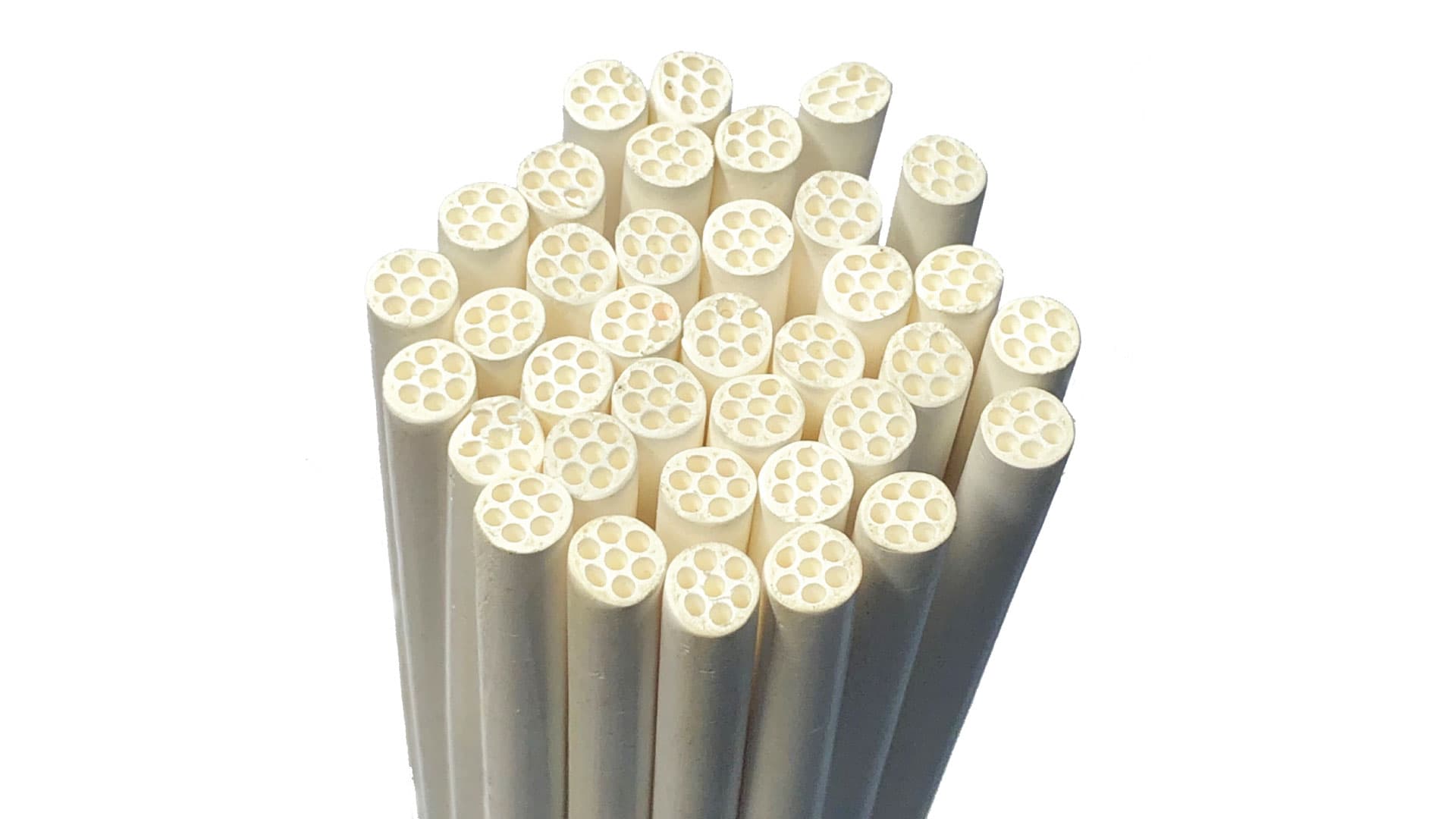
- Thanks to a 0.01 µm pore size, they retain bacteria, colloids and high-molecular-weight organics with a physical barrier.
- With up to 96% suspended solids removal, they reduce the need for pre-treatment.
- They optimise operating costs by reducing chemical consumption – for example conventional coagulants – by up to 35%.
- The modular design offers plug-and-play convenience; capacity can be increased flawlessly as water demand grows.
Real case: At a 500 m³/day textile plant in Hatay, the UF + reverse osmosis combination reduced chemical oxygen demand (COD) from 4,500 mg/L to 60 mg/L and raised the recovery rate to 80%.
How a UF System Works
- Pre-filtration (sand/bag filter)
- Feed pump – the flow rate is optimised.
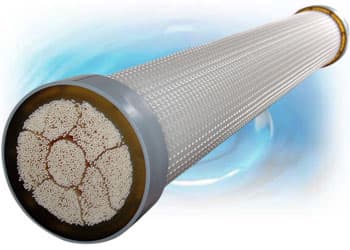
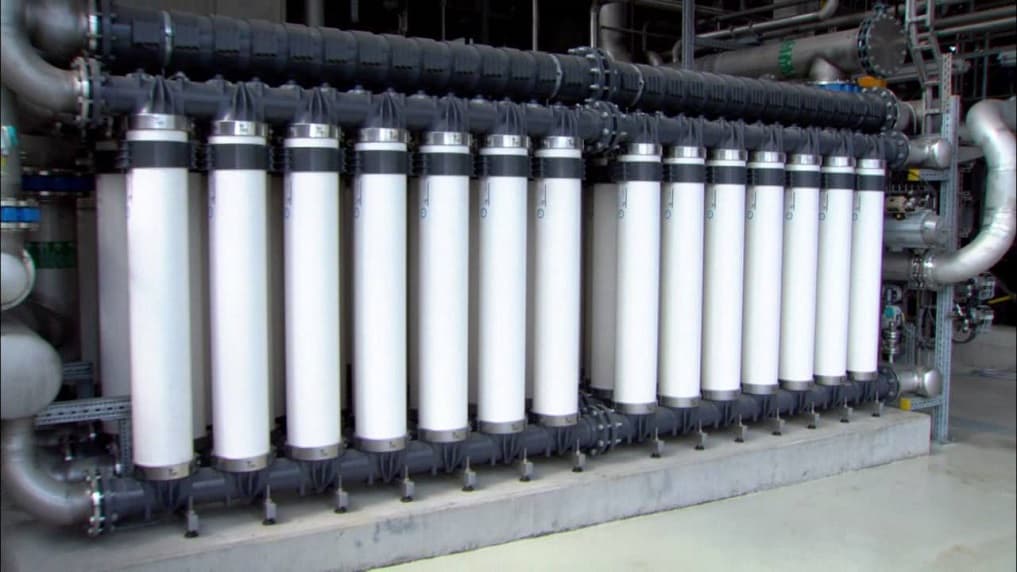
- Ultrafiltration membrane modules – inside-out or outside-in flow configuration.
- Backwash & chemical cleaning (CIP) – extends membrane life to 7+ years.
- Treated water tank – ready for process use, boiler water or RO feed.
Frequently Asked Questions from Our Q&A File
Question | Summary of the Answer |
|---|---|
What should I do if the UF membrane becomes fouled? |
|
What is the difference between UF and MF? |
|
How much energy does it consume? |
|
Industrial Applications
- Food and beverage sector – CIP recovery water
- Textile dyehouses – colour and particle removal
- Pharmaceutical production – low-endotoxin pre-treatment
- Municipal drinking water – turbidity < 0.1 NTU
On our membrane filtration glossary page you can find explanations of all the jargon.
Data Supported by External Sources
The United Nations 2024 report on the spread of UF technologies worldwide shows that the membrane market is growing by 7.2% per year (see UN-Water, 2024¹). In addition, pilot studies by the US Environmental Protection Agency report that UF pre-treatment delivers 18% energy savings in reverse osmosis operations (EPA, 2023²).
Cost and Return on Investment
For an industrial facility, investing in ultrafiltration membranes requires more capital at first glance than conventional sand filters; but the picture changes when you focus on total cost of ownership (TCO). In a typical 500 m³/day system:
- Chemical savings: Lower chlorine and coagulant consumption saves around EUR 18,000 per year.
- Energy costs: Thanks to low transmembrane pressure, pump electricity costs fall by 15%.
- Maintenance and repair: The modular structure allows a “hot swap” replacement even if a single module in the line fails, without stopping production, cutting unplanned downtime by 40%.
- ROI period: In our financial simulations the payback period averages 24–30 months.
Case note: After UF pre-treatment was commissioned at a fertiliser manufacturer, savings of 52 tonnes of NaClO per month were reported, and the system paid for itself in 22 months.
Common Mistakes and Recommended Solutions
- Inadequate pre-filtration: Particles larger than 100 µm reaching the UF inlet cause membrane fouling. Solution: use an automatic self-cleaning disc filter.
- Unbalanced flow control: If the feed pump and backwash pump are not synchronised, pressure surges occur on the membrane. aquaDESTECH's SCADA-based “FlowGuard™” algorithm prevents this problem in software.
- Wrong chemical choices: High-pH CIP solutions cause hydrolytic stress in PVDF membranes.
- Skipping operator training: Untrained staff may manually cancel backwash cycles to boost production in the short term, shortening membrane life in the long run. aquaDESTECH offers 2 days of hands-on training in its commissioning package.
Ultrafiltration membranes, when correctly configured, not only improve water quality but also play a critical role in your operational efficiency and environmental sustainability goals. According to global Water Reuse Europe data, in plants with UF integration the water recovery rate has risen from an average of 72% to 85% (2024 report). This increase both lowers raw material costs and raises the company's corporate sustainability score.
aquaDESTECH Advantages of UF Packages
- Plug-and-play steel frame – commissioning in 3 days
- SCADA integration – real-time performance monitoring
- On-site training and 24/7 technical support – maximum continuity
- Comprehensive spare parts stock – no waiting for supplies
Implementation Steps
- For a free water analysis, send your sample to our laboratory.
- Within 48 hours we share a process simulation report.
- We carry out capacity and module selection to suit your needs.
- We prepare the financial feasibility and payback period (ROI).
- After contract signature, manufacturing & on-site installation (4–6 weeks).
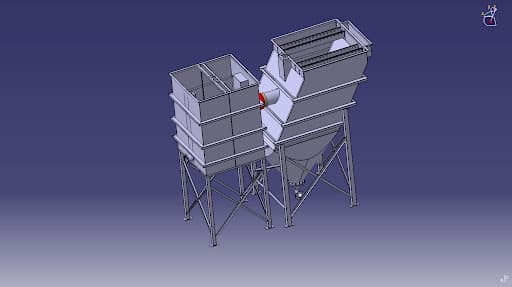
You can view 3D layout plans of our completed projects on our Services > Turnkey Systems page.
Sustainability and Economics
UF modules contain 100% recyclable PVDF. In a typical 1,000 m³/day plant, each year they deliver:
- 12,000 m³ of raw water savings
- 310 MWh of energy reduction
- 160 tonnes of CO₂-equivalent emission reduction
These figures are consistent with Global Water Intelligence benchmarks.